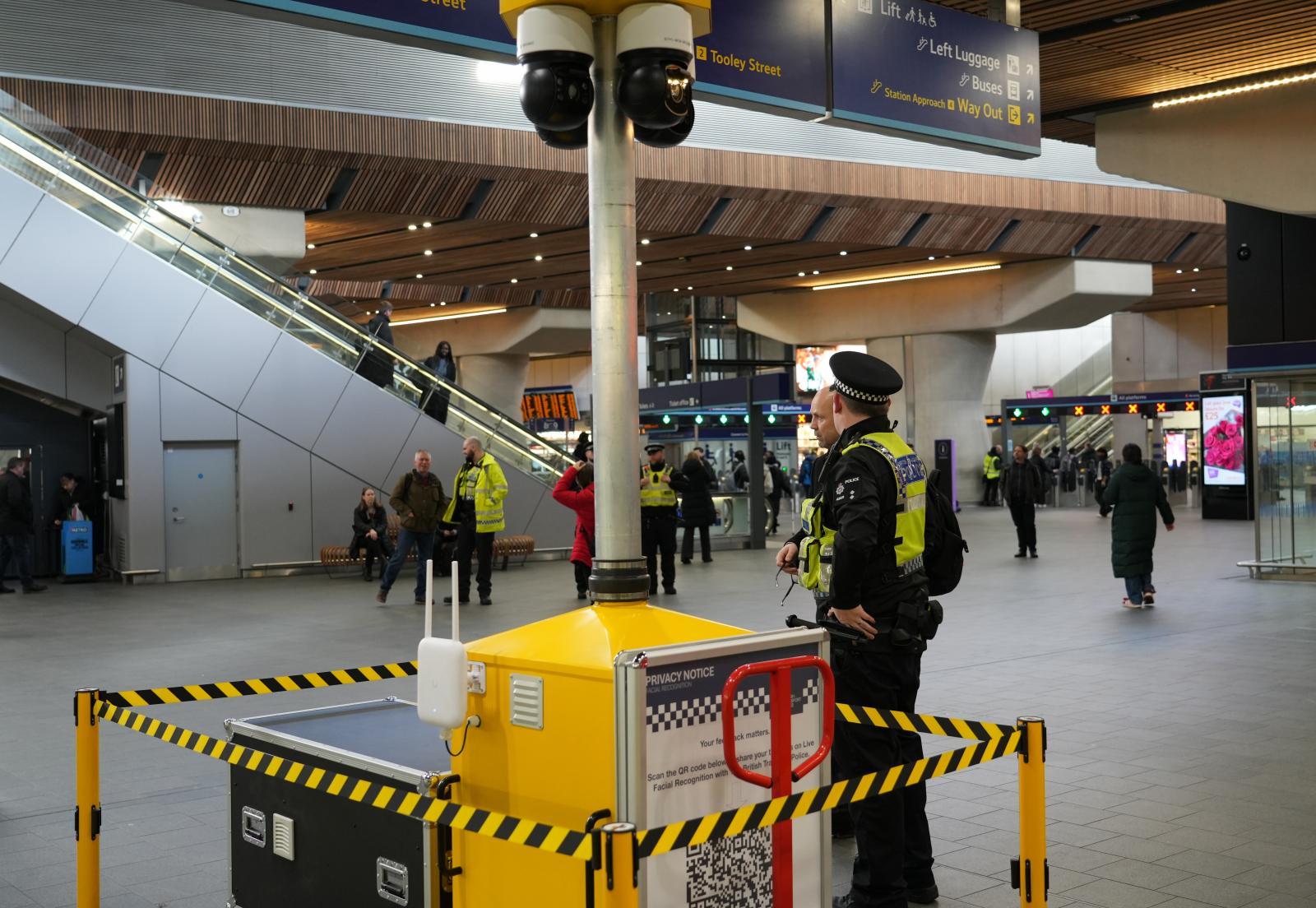
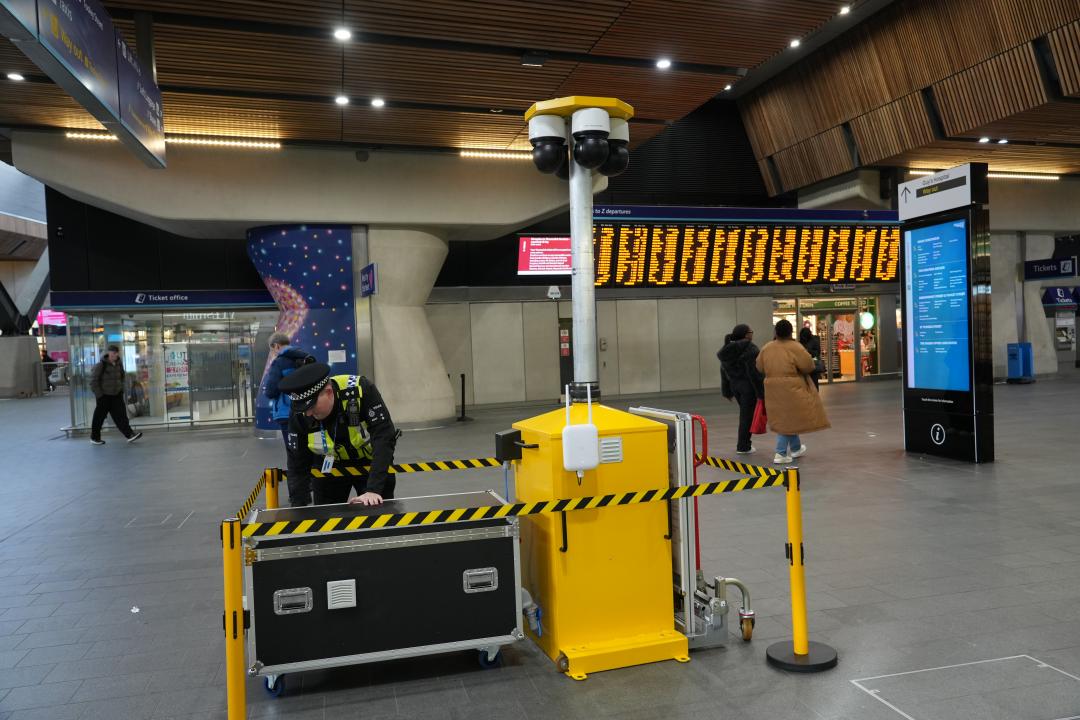
British Transport Police (BTP) has launched a new trial of Live Facial Recognition (LFR) technology at selected Transport for London (TfL) stations, marking a significant step in efforts to enhance passenger safety and tackle serious crime across the capital's transport network.
The TfL-supported pilot will focus on identifying individuals wanted in connection with serious and high-harm offences, including robbery, knife crime and sexual assault. The initiative forms part of wider efforts to reduce crime, improve public confidence and address violence against women and girls across London's transport system.
The technology operates by scanning faces in real time and comparing them against a pre-authorised watchlist compiled by BTP. Images of members of the public who do not match individuals on the watchlist are automatically and immediately deleted, ensuring that only potential matches generate alerts for officers.
According to BTP, deployments will be intelligence-led and based on operational analysis and crime data, enabling the technology to be used in locations where it is likely to have the greatest impact.
The pilot also supports TfL's ongoing work to tackle violence against women and girls. Recent research commissioned by TfL highlighted the scale of the challenge facing young women travelling on public transport.
Among girls aged 13 to 16 surveyed, 77 per cent reported experiencing unwanted sexual behaviour on a journey involving public transport during the previous year, while 91 per cent said they had witnessed someone else subjected to such behaviour. Four in ten respondents also said they had avoided using public transport because they felt unsafe.
Research further found that women and girls identified facial recognition technology as a measure that could help improve feelings of safety by enabling police to identify offenders more quickly.
TfL says the new trial will complement existing measures already in place across the network, including targeted policing operations, public awareness campaigns, staff training, bystander intervention programmes, enhanced reporting systems and partnerships with specialist organisations.
Siwan Hayward, Director of Security, Policing and Enforcement at TfL, said:
“Everyone should be able to travel without fear of harassment, intimidation or violence. Tackling violence against women and girls and preventing sexual offending on our network remains a key priority. Live facial recognition has the potential to be a powerful additional tool in helping police quickly identify those wanted for high-harm offences, including sexual offences, and supports early intervention and helps stop incidents before they happen. This trial is an important step in understanding how this technology can be used on the London Underground in a targeted, proportionate way with strict safeguards in place. We will be monitoring and assessing the impact of LFR through this trial over the next four months.”
Chief Superintendent Chris Casey, BTP's senior officer responsible for the project, said:
“This marks an important new stage in our trial of LFR technology. Expanding deployments into London Underground stations will help us assess the technology in a different transport environment while continuing to refine how it is used across the railway network. Our deployments are intelligence-led and focused on identifying people wanted by the police or courts, including those suspected of serious offences and those who may be breaching bail conditions or court orders. Our focus remains on protecting the public, preventing crime and bringing offenders to justice, while ensuring the technology is used lawfully, proportionately and transparently."
Kaya Comer-Schwartz, Deputy Mayor of London for Policing and Crime, said:
“Facial recognition technology is already helping the Met get wanted criminals off the streets and protect our communities, so I’m pleased to see TfL and the BTP exploring how this cutting-edge technology can help Londoners and visitors to be safer and feel safer on our transport network too. I will be following the results of the pilot with interest as we continue to work with partner organisations, businesses and communities to build a safer London for everyone.”
The trial will take place in clearly signed areas within participating TfL stations, allowing passengers to make informed decisions before entering the deployment zone. BTP and TfL have emphasised that the scheme includes extensive governance, oversight and safeguards, and complies with data protection, privacy, equality and human rights legislation.
TfL has also engaged with a range of stakeholders during the development of the pilot and intends to continue consultation throughout the programme. Independent research will be commissioned to assess passenger perceptions of safety before and after the trial, contributing to a wider evaluation of the technology's effectiveness.
The four-month trial is expected to provide valuable insight into whether Live Facial Recognition can become an additional operational tool in enhancing safety and preventing serious crime across London's transport network.
Image credits: Transport for London