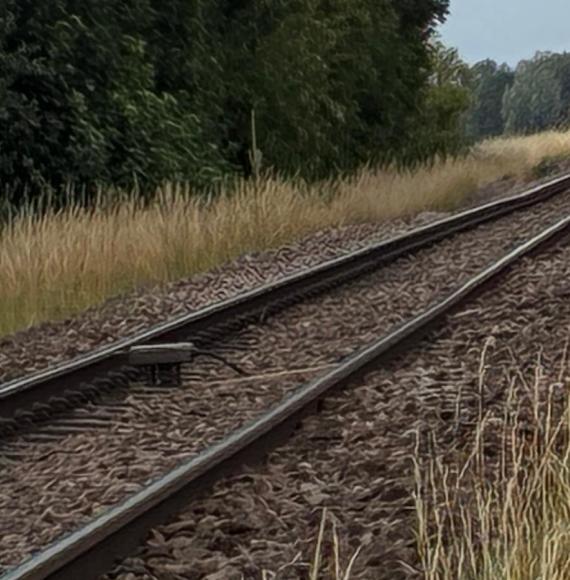

A major feasibility study into the potential return of passenger rail services on the freight-only line between Saltburn and Boulby has highlighted both the opportunities and significant challenges associated with the project.
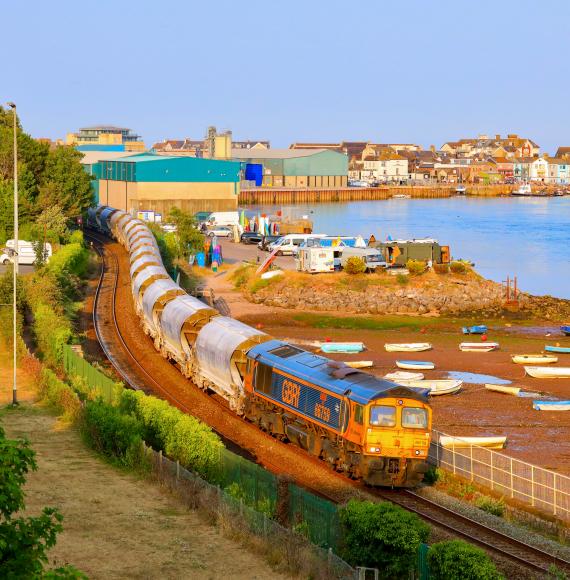
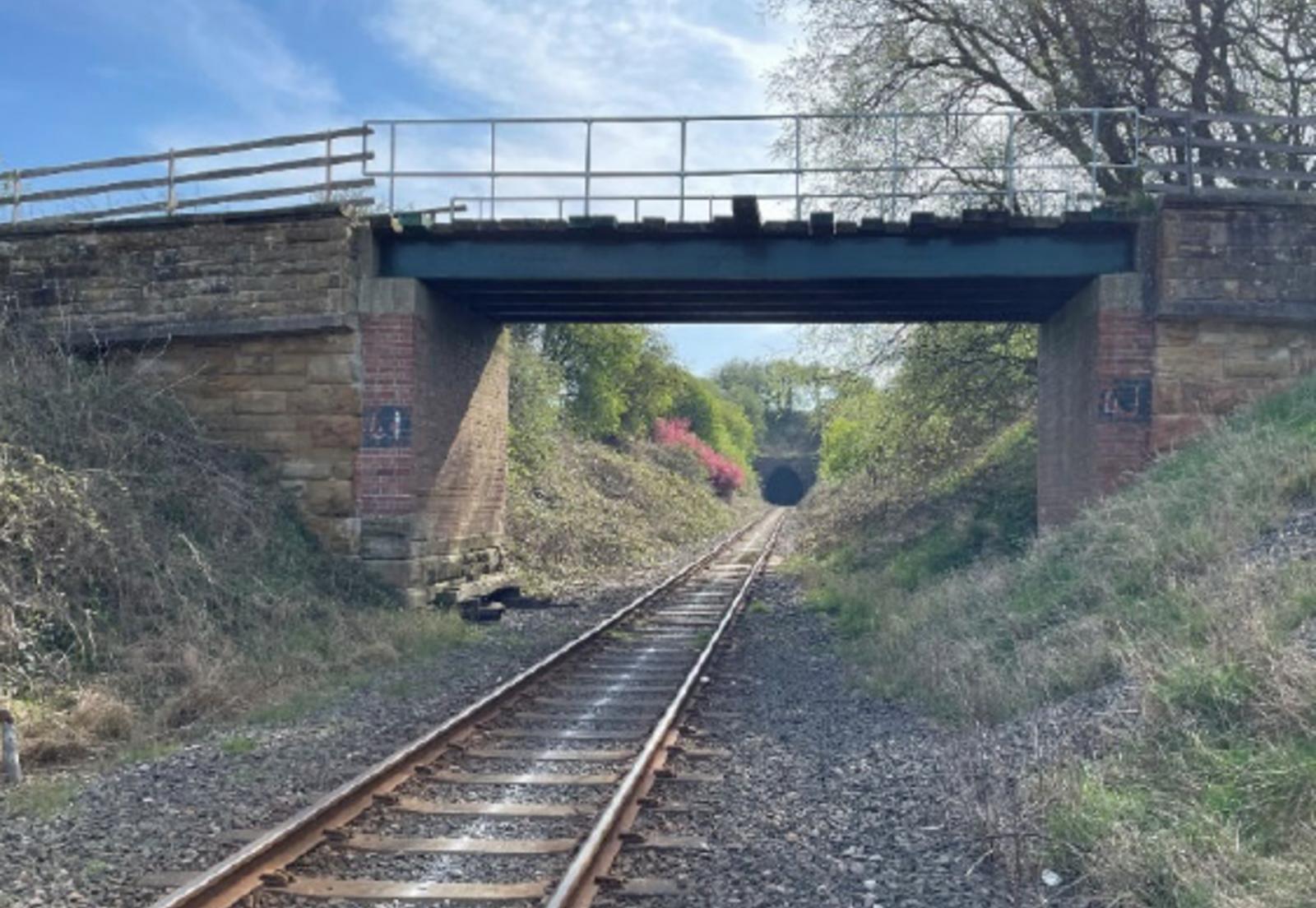
Commissioned by Tees Valley Combined Authority, the detailed assessment undertaken by consultancy ARUP examined the infrastructure, operational requirements and economic case for introducing regular passenger services along the route, which is currently used exclusively by freight trains serving British Steel Special Profiles at Skinningrove and the Boulby Mine operated by Cleveland Potash.
The study concludes that reinstating passenger services could deliver important social and economic benefits across East Cleveland, improving access to employment, education and essential services while supporting wider regeneration ambitions and enhancing tourism opportunities along the coastline.
However, the report also outlines substantial barriers to delivery. Capital costs are estimated to range between £107 million and £329 million, reflecting the scale of investment required for new stations, track renewals, signalling upgrades and wider infrastructure improvements needed to meet Network Rail operational standards.
Investigators found that several sections of the route are currently in poor condition and would require extensive upgrades before supporting regular passenger operations. The study also noted that opportunities to significantly improve journey times would be limited due to the line's alignment and operational constraints.
A further complication is ownership of the route beyond Skinningrove. Unlike much of the national rail network, this section is privately owned rather than controlled by Network Rail, creating additional operational, regulatory and commercial challenges. Any future passenger operation would also need to coexist with existing freight services, which remain vital to local industry.
While the strategic benefits of reconnecting communities were recognised, the economic assessment found that the scheme currently delivers a weak business case, with projected costs outweighing the benefits typically required to secure Government funding under current appraisal criteria.
Despite this, stakeholders have indicated that the findings provide a valuable evidence base for future discussions, particularly if funding models or Government investment priorities evolve.
Tees Valley Mayor Ben Houchen said:
“Ensuring the people of East Cleveland have the transport they need and deserve to access the good quality well-paid jobs being created is vital.”
“This has been a very thorough piece of work by industry experts – and we now have a good idea of the costs, the significant extra money we’d need to attract from the Government and options involved to introduce passenger services on the freight line.
“We’ll now be working together on next steps to improve all forms connectivity in the region to get more people linked up with jobs.”
The study forms part of a wider package of transport initiatives approved by the Combined Authority in January 2024. It builds on previous investigations into the route but provides a much more detailed examination of infrastructure condition and intervention requirements.
Councillor Carl Quartermain, Cabinet Member for Highways & Transport at Redcar & Cleveland Borough Council, said:
“The strategic case for improving connectivity in East Cleveland is undeniable. Better transport links are essential if we are to connect our communities with jobs, education and other opportunities.
“While this report highlights significant challenges in bringing passenger services back to this route, it also reinforces why improving connectivity must remain a priority. If this proposal is not viable economically, we will continue working with our partners at Tees Valley Combined Authority to explore and deliver other solutions that provide East Cleveland with the transport connections it needs and deserves.”
The report is expected to inform future discussions on transport investment priorities across the Tees Valley, as local leaders continue to examine ways of improving connectivity for communities in East Cleveland.
Image credit: Tees Valley Combined Authority