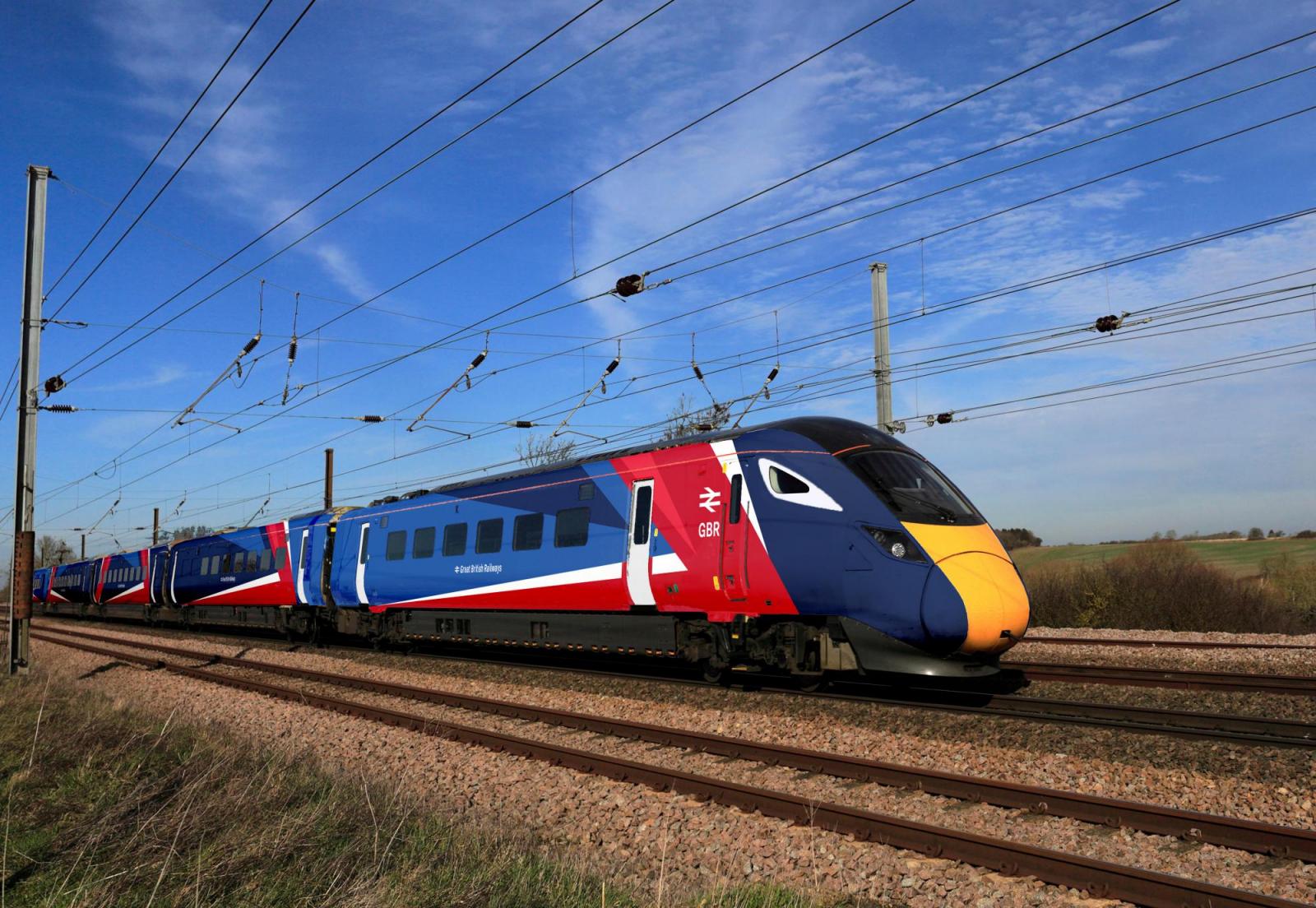
The UK Government has moved to cement the future of Great British Railways (GBR) in public hands, following a significant amendment to the Railways Bill that has passed during the report stage in the House of Commons.
The change means that GBR must remain publicly owned, with any future attempts to privatise the body requiring a full Act of Parliament. The move is designed to safeguard long-term railway reform and ensure that decisions about ownership remain subject to parliamentary scrutiny.
A legislative safeguard against privatisation
The amendment places public ownership at the heart of the new rail structure, effectively creating a legal barrier to future sell-offs. By requiring primary legislation for any change in ownership, ministers aim to provide stability and confidence for passengers, operators, and investors alike.
This development aligns with the Government’s wider rail reform agenda, which seeks to bring infrastructure and operations closer together under a single coordinating body. GBR will ultimately oversee track, train, revenue, and cost management across the network.
Importantly, the Government has confirmed that the amendment will not limit GBR’s ability to attract private investment or continue working collaboratively with industry partners. Instead, it is positioned as a structural safeguard rather than a constraint on commercial innovation.
Railways Bill progresses through Parliament
The Railways Bill, described as the most significant overhaul of Britain’s railways in more than three decades, continues its legislative journey. Following its Third Reading in the Commons, the Bill will now move to the House of Lords for further scrutiny.
GBR is expected to be formally established in 2027, approximately 12 months after the Bill receives Royal Assent. Once operational, it will take on responsibility for coordinating the entire rail system, marking a fundamental shift away from the fragmented model introduced during privatisation.
Early signs of reform impact
Ahead of GBR’s formal launch, the Government has pointed to early progress under its reform programme. Around half of train operating companies are now under public control, with ministers highlighting improved performance compared to remaining privately run services.
Recent developments include:
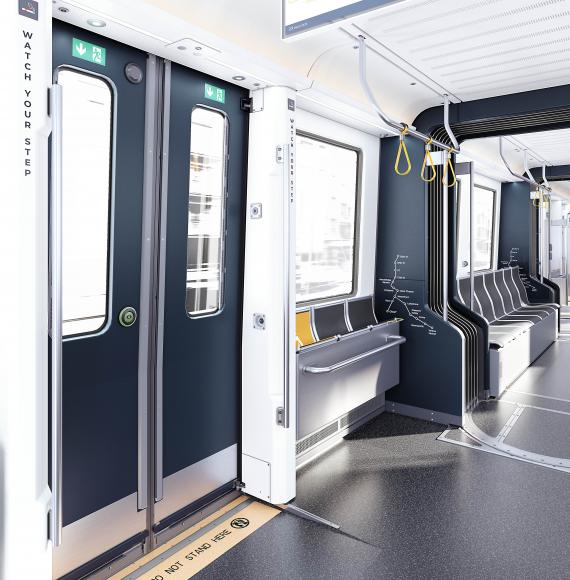
- The introduction of around 40 new Arterio trains by South Western Railway
- The rollout of simplified fares in Greater Manchester
- Expansion of pay-as-you-go ticketing
- The first national rail fare freeze in 30 years
These measures are intended to demonstrate the practical benefits of a more integrated, publicly accountable railway system.
Industry-led, publicly owned
Transport Secretary Heidi Alexander emphasised the strategic importance of the amendment in securing the long-term direction of the sector.
"For too long, decisions on our railways were made for private profit. This Government made a promise to change that, to build a railway run for the public good not private gain.
"Today we strengthened that promise, futureproofing Great British Railways to ensure it will always be in public hands.
"GBR will be run by industry experts and publicly owned - open to private investment with the flexibility to grow, but its founding purpose will always be the same: to serve passengers, not shareholders."
"Today takes us one step closer to delivering this lasting change and a railway this country deserves."
What this means for the rail sector
For rail professionals, the move signals a clear policy direction: a consolidated, publicly-owned system with structured private sector involvement.
Key implications include:
- Greater long-term certainty over ownership structures
- Increased strategic centralisation under GBR
- Continued opportunities for private investment and partnerships
- A stronger focus on passenger outcomes and system-wide efficiency
As the Bill progresses, attention will turn to how GBR’s governance, funding model, and operational frameworks are defined in detail—critical factors that will shape the industry for decades to come.
Image credit: Department for Transport