Great British Railways (GBR) will “put passengers back at the heart of the railways” by creating a more integrated, sustainable and high‑performing network, according to DfT Operator (DFTO) chief executive Alex Hynes.
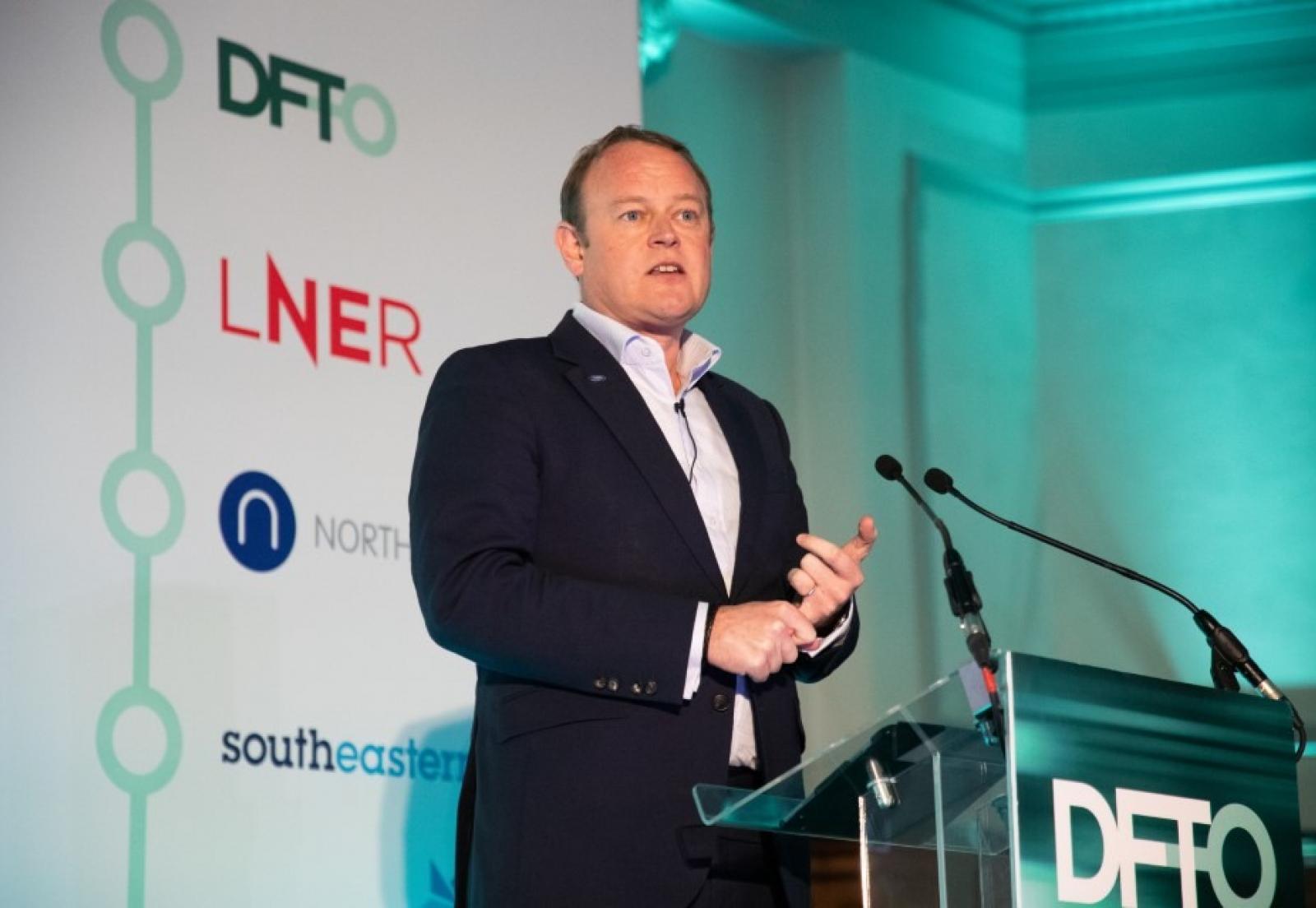
Speaking at the prestigious George Bradshaw Address, Hynes outlined how bringing track and train together under one organisation will reduce cancellations, simplify ticketing and improve accessibility across the system.
Hynes emphasised that GBR’s model — which unifies operations under locally led integrated business units — will finally allow one leader to be accountable for both track and train. Under today’s fragmented structure, he noted, “concerns must be raised separately with the train operator and Network Rail because no one person is in charge.”
He added: “The quicker we start acting as one railway, the quicker we can start delivering the changes passengers really want, like more reliable services, simpler ticketing and improved trains and stations.”
Hynes also set out the organisation’s broader ambition: “Integration delivers on our vision of creating a sustainable, thriving railway that thinks as one, to encourage more people to access more places and opportunities so the whole country can prosper.”
Passenger Growth Already Underway
Addressing the sector’s growth potential, Hynes highlighted significant progress:
“Growth isn’t just an aspiration; we’re already seeing it in action. In December, train operators in public ownership added more than 76,000 extra seats per week — including 60,000 on the East Coast Main Line — as part of the new timetable. That additional capacity is driving revenue and providing a better service for customers.”
United Leadership for Rail Reform
His comments followed a keynote address from transport secretary Heidi Alexander MP, who outlined the government’s priorities for rail in the year ahead.
Joining Hynes and the transport secretary on the panel were:
- Jeremy Westlake, chief executive, Network Rail
- Maggie Simpson OBE, director general, Rail Freight Group
The growing public ownership landscape was also highlighted. There are now eight publicly owned train operators: c2c, Greater Anglia, LNER, Northern, Southeastern, South Western Railway, TransPennine Express and WM Trains (operating London Northwestern Railway and West Midlands Railway services).
The next operator set to move into public ownership is Govia Thameslink Railway (GTR) on Sunday 31 May 2026.
Image credit