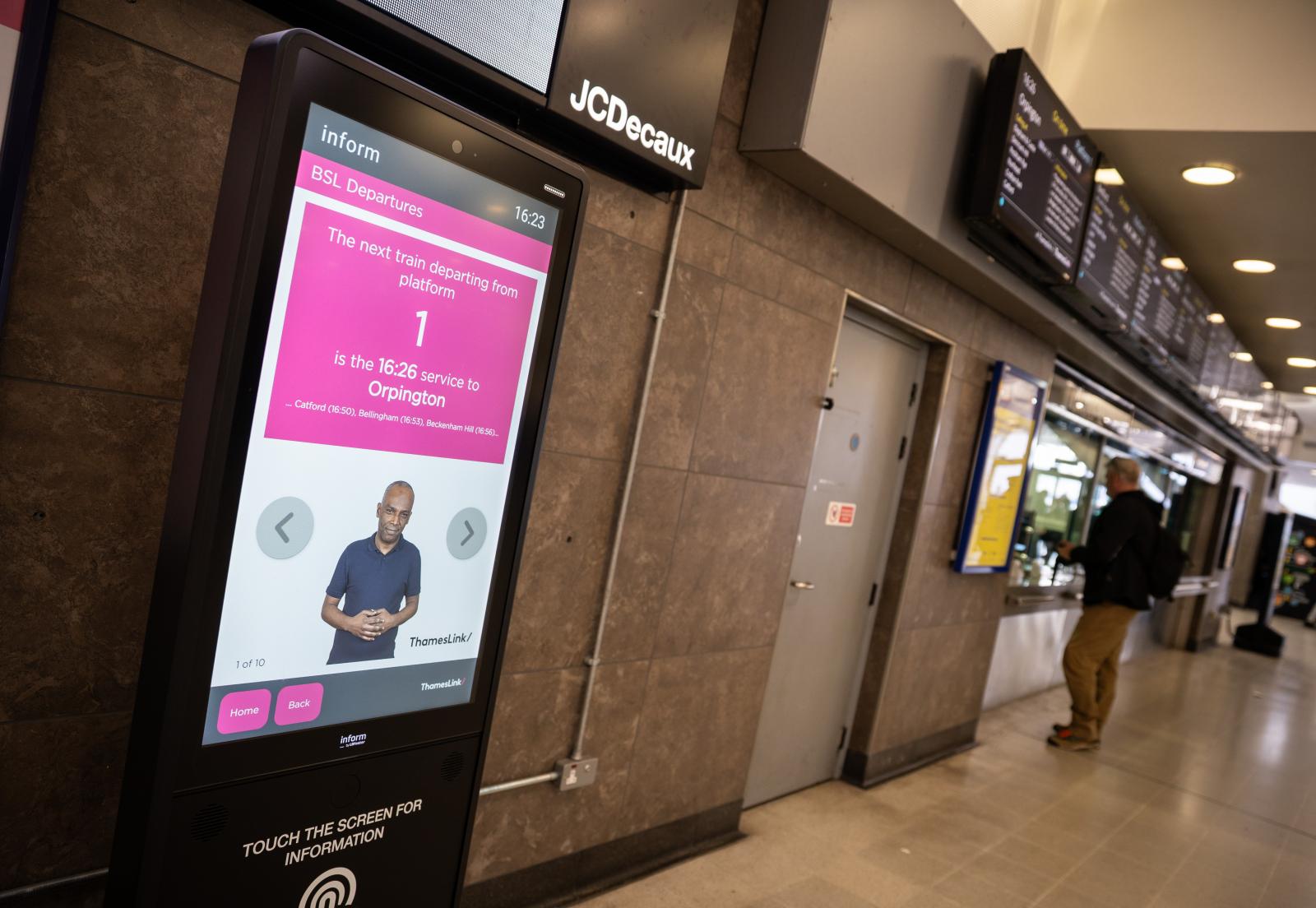

A wide-ranging programme of incremental station improvements across London, the South East and parts of Bedfordshire, Hertfordshire and Cambridgeshire has been completed by Govia Thameslink Railway (GTR), delivering tangible benefits for passengers across its Southern, Thameslink and Great Northern routes.
More than £1.7 million has been invested in the past year to enhance station facilities, with a further £1.7 million already secured for the next phase of works. The upgrades span a diverse set of interventions—from digital information systems and accessibility schemes through to cycle storage, CCTV enhancements and station environment improvements.
Passengers travelling anywhere between Rye and Royston are already seeing the impact, with new interactive information screens, upgraded seating and improved step-free access helping to modernise the customer experience while supporting sustainable ‘last mile’ journeys.
Louis Rambaud, Chief Customer Officer at GTR, said:
“While these changes may seem modest on their own, it’s the little touches at our passengers’ local stations which will be noticed the most.
“Things like information screens in the right places, better access for those who need it, and our work to encourage sustainable transport for the ‘last mile’ all add up to something much greater than the sum of its parts.
“Having completed 60 projects in the past year, this continued investment delivers tangible benefits to commuters, leisure travellers and visitors alike, and we’re looking forward to building on this in the coming year.”
The programme is funded via the Department for Transport’s Minor Works and Station Improvement Funds, which are specifically designed to deliver targeted, high-impact upgrades that improve the station environment and make rail travel easier and more inclusive.
Key upgrades delivered in 2025/26
North of London
Stations across the northern end of the network have benefited from a strong focus on passenger information and comfort:
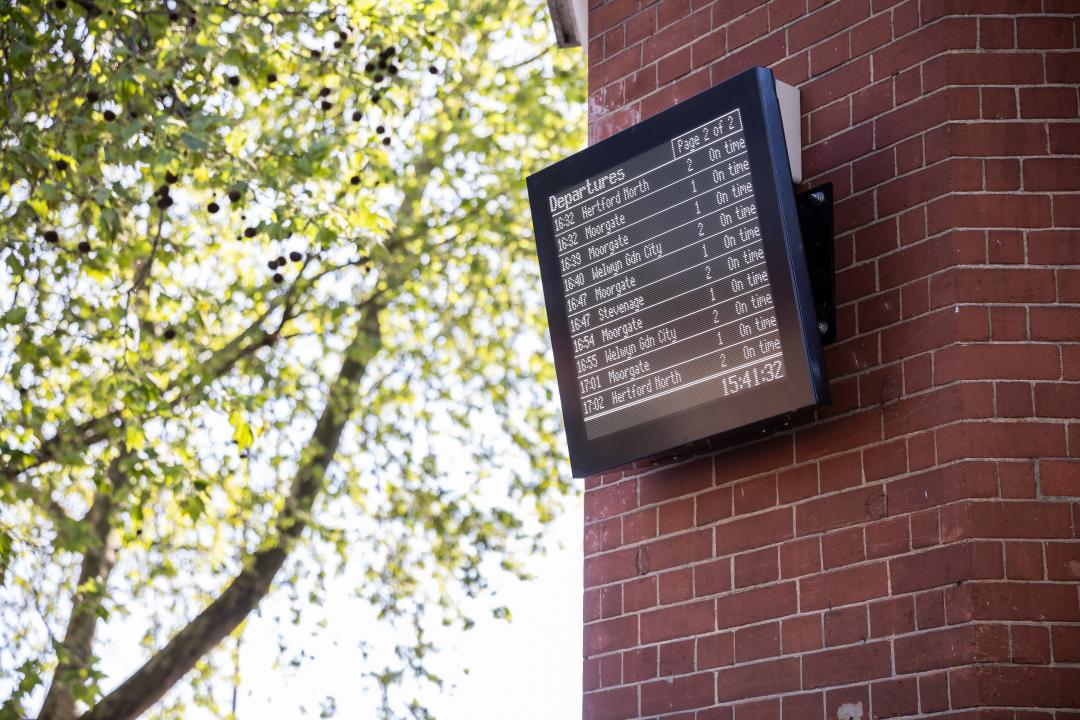
- New and improved information screens installed at Sandy, Hitchin, Hatfield and Huntingdon
- Seating upgrades at St Neots, Harlington, Huntingdon and Cuffley
- Interactive information system installed at Stevenage
- New rail replacement facility at Royston
- Expanded CCTV coverage at multiple stations
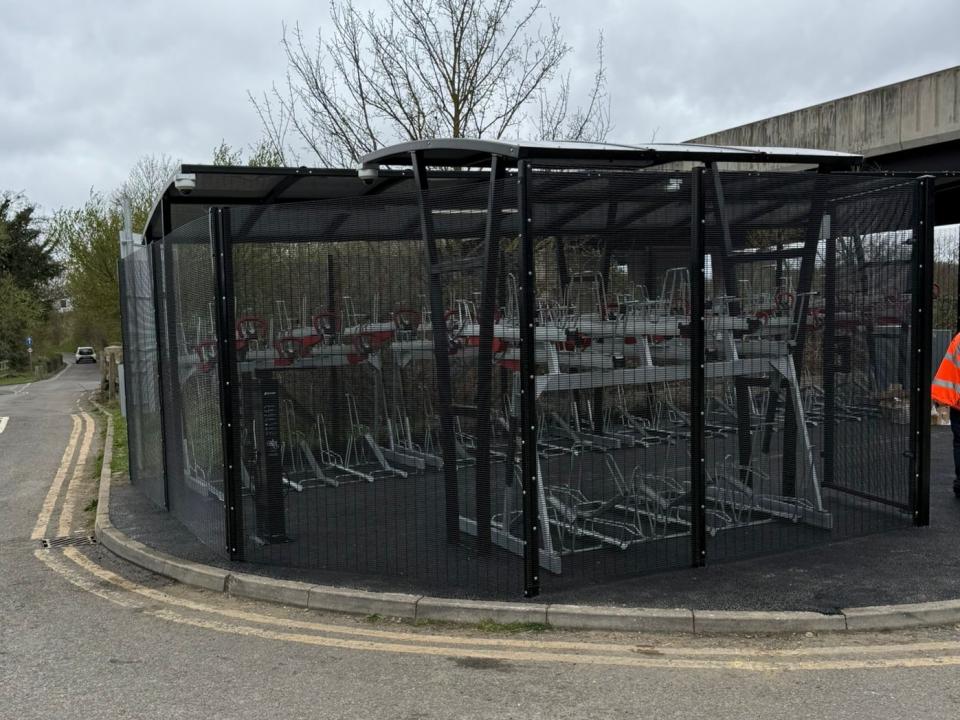
- New secure cycle hub at Arlesey
London
In the capital, improvements have centred on accessibility, passenger navigation and station presentation:
- New or enhanced information screens at Drayton Park, Essex Road, Alexandra Palace and Gordon Hill
- Interactive digital screens at City Thameslink and Blackfriars
- Station redecorations at Reedham and Alexandra Palace
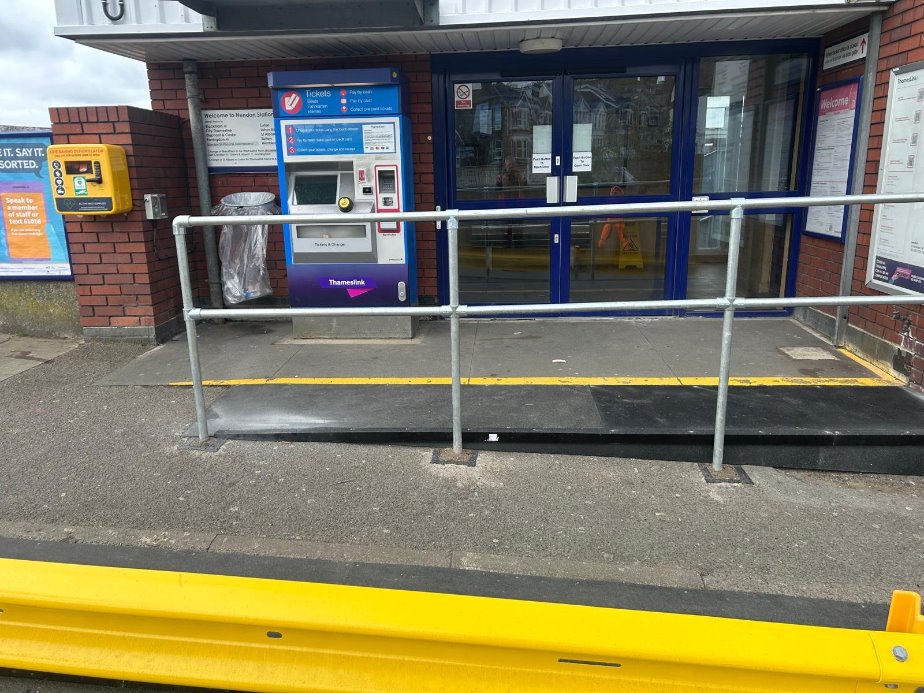
- Accessibility improvements at Hendon
- Improved seating at Coulsdon Town
- Ticket office relocation at Elephant and Castle to enhance visibility during wider redevelopment
South of London
Stations south of the capital have seen both infrastructure upgrades and heritage-focused enhancements:
- Information screen upgrades at Eastbourne, Sutton, Redhill, Salfords and Gatwick Airport
- Accessibility schemes at Hassocks and Rye
- Station refurbishments at Haywards Heath, Barnham, Kingswood, Rye, Redhill and Three Bridges
- Seating improvements at Angmering
- Secure cycle hub at Chichester
- Heritage-style waiting shelter installed at Lewes
Network-wide improvements
Beyond individual stations, GTR has also delivered broader enhancements aimed at improving safety and journey planning:
- CCTV upgrades informed by crime data insights
- Introduction of 3D station mapping, allowing passengers to better navigate within stations as well as plan journeys between them
These digital tools represent a growing emphasis on end-to-end passenger experience, supporting accessibility and confidence for all user groups.
What’s planned for 2026/27?
With funding already confirmed, GTR is preparing the next phase of improvements, continuing the focus on accessibility, digital information and infrastructure upgrades.
North of London
- Expanded information screens at Finsbury Park
- Design study for an accessible toilet at St Neots
- New walkway linking Luton Airport Parkway with Luton Retail Park
- Additional safety messaging screens at Stevenage
- New 3D station maps at Luton, Harpenden, Hatfield and Welwyn Garden City
London
- Design study for accessible toilet at Alexandra Palace
- Improved accessible walking route at Hendon station car park
- Enhanced train information in London Underground ticket halls at Moorgate, Old Street and Highbury & Islington
- New 3D station maps at Elstree & Borehamwood and Gipsy Hill
South of London
- Improved accessible routes at Hassocks and Rye station car parks
- Additional heritage and modern waiting shelters at Lewes and Polegate
- New 3D station maps at Hove, Eridge and Chichester
Industry context: small upgrades, strategic impact
While individually modest, these schemes highlight a broader industry trend towards high-frequency, lower-cost interventions that collectively enhance passenger satisfaction, safety and accessibility. For operators, these upgrades also represent a pragmatic use of targeted funding streams to deliver visible improvements without large-scale capital programmes.
The continued expansion of digital passenger information systems and accessibility-led design underlines the sector’s evolving priorities—particularly as customer expectations shift towards more seamless, real-time and inclusive travel experiences.
Image credits GTR