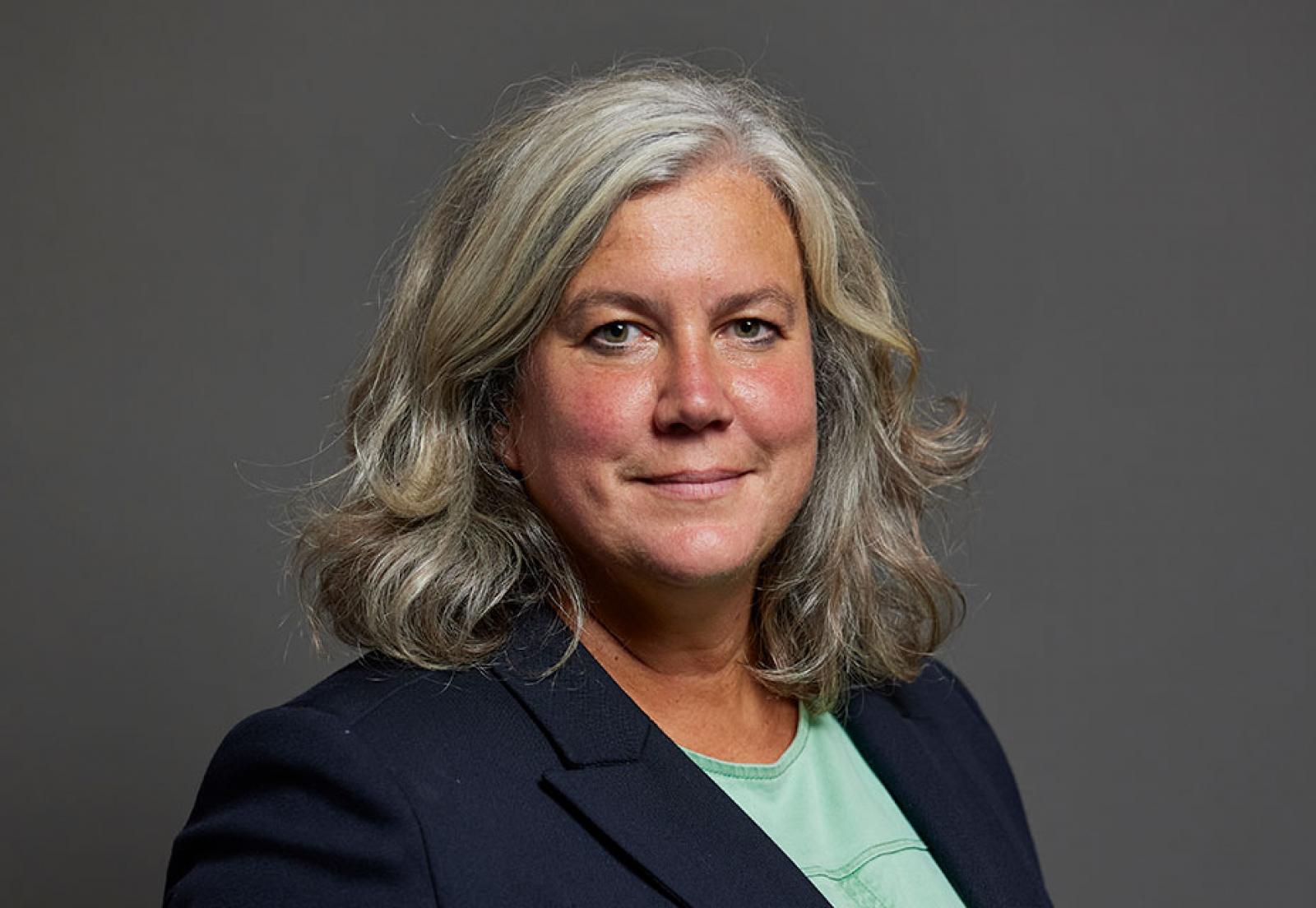

Transport Minister Heidi Alexander used her Bradshaw Address to deliver her most comprehensive blueprint yet for rail reform—positioning Great British Railways (GBR) as the long‑awaited “guiding mind” and calling time on what she described as a decade of underperformance, fragmentation and eroded public trust.
Alexander opened with a historical analogy, asking what George Bradshaw would make of the modern network. Fragmentation, lack of coordination and public resistance to expansion are not new problems, she argued: “If a week is a long time in politics, it seems 2 centuries is rather short in the rail industry.”
Bradshaw’s timetables, she said, embodied the organising mind the railways still need today. “His timetables were a Victorian guiding mind of sorts. Turning a disparate industry into a single railway. Creating order out of chaos.”
The Broken Contract
The Minister said the fundamental relationship between the railway and the public had been “broken”, warning that the previous administration left behind “a railway that was, frankly, a mess.”
She highlighted persistent frustrations familiar to anyone in the sector: high fares, unreliability, rigid contracts, and misaligned incentives. Communities, she said, felt “held back by poor connections and even poorer infrastructure.”
The wider impact is personal to her: “Connectivity really does tilt the scale of life chances,” she said, citing Swindon commuters wondering why they pay £80 more for a peak return to London than travellers from nearby Oxford.
Where the System Failed
Alexander focused on two case studies: the long‑delayed East Coast Main Line timetable change, and escalating costs.
The ECML episode, postponed for years, exposed the system’s lack of leadership. “No one in the current system was able to take charge to act in the interests of passengers and taxpayers… This is no way to run a railway.”
Rail Minister Lord Peter Hendy had to authorise the timetable personally—something Alexander said should never be a politician’s job. But she described Hendy’s pride in seeing industry experts collaborate without contractual friction: “you can’t believe how good it felt to be sat there with people who just wanted to make it work.”
On cost, she was blunt: “Last year, taxpayers spent £12 billion on our railways… I think this is unsustainable.” With UK costs per kilometre outstripping France and Germany, she insisted that rail must “make a positive contribution” to justify its role as a publicly funded utility.
A New Vision: Experts in the Driving Seat
Alexander outlined a vision where rail becomes “boringly reliable – but attracting more people, carrying more goods and earning more revenue.” Achieving this, she said, requires shifting decision‑making away from ministers and towards professionals.
“Experts, not politicians, in the driving seat… That is the modern, reformed railway Britain needs.”
She reiterated the government’s pace of reform since taking office: ending national strikes, passing the Public Ownership Bill, approving delayed projects, publishing more performance data, funding Northern Powerhouse Rail, and launching GBR’s new brand.
Performance improvements are already visible, she said, with DfT‑run operators outperforming private ones and South Western Railway increasing Arterio deployment.
GBR: The Directing Mind
GBR will be the structural centrepiece of reform, tasked with “ending fragmentation”, “sweeping away decades of bureaucracy and waste” and running a railway that finally “works for the public, rather than expecting the public to work around the railway.”
Crucially, she stressed that GBR will not be a centralised command‑and‑control behemoth: “GBR won’t be a Kafkaesque blob… Instead, it will be agile, commercially focused and run by people who know the industry in their bones.”
GBR will have a unified profit‑and‑loss structure, simplified access rules, strengthened regional partnerships and a tough new accountability regime via an independent GBR board and the ORR.
A Single Passenger Experience
Passenger simplicity—long promised but rarely delivered—was a central theme.
“You’ll now deal with one railway. One brand. One organisation in charge. With your entire experience starting and ending with 3 letters: GBR.”
A new Passenger Watchdog will enforce standards, investigate problems, and “fight your corner.” Ticketing will be transformed through a single GBR online retailer, no booking fees, simpler fares, and expanded Pay‑As‑You‑Go, including 20 more stations in the South East this year and 90 in the West Midlands and Manchester.
Freight Embedded in the System
In response to sector concerns, Alexander insisted: “Moving more goods on our railways makes both economic and environmental sense.”
She said freight will be “written in to the DNA of GBR,” with protected paths, a freight champion on the board, more flexible charging and faster decision‑making. The government’s ambition remains to grow rail freight by 75% by 2050.
A New Culture: One Railway, One Team
Alexander criticised siloed incentives that reward operators for inaction: “To make money out of failure.” Examples included contractors multiplying simple tasks like replacing a lightbulb or operators lacking incentives to remove leaves.
“Enough is enough.”
She announced new integrated leadership teams across Southeastern, SWR and soon Anglia, and pushed decision‑making down to the front line: “I want more decisions made closer to the passenger.”
A More Diverse Workforce or an “Existential Crisis”
Addressing rail’s gender imbalance, she warned: “If rail is closed off from the full spectrum of talent… this moral issue will turn into an existential crisis.”
With 68,000 staff due to leave by 2030, she announced legislation lowering the minimum train‑driving age from 20 to 18 and set an expectation that GBR will be a proactive champion of diversity, skills and flexible working.
“A Railway of Which We Can All Finally Be Proud”
Alexander closed with a rallying cry:
“Together, we can make GBR a world-class public body… A boringly reliable railway. But a railway of which we can all finally be proud.”
Image credit: UK Government