
High Speed One (HS1) is entering a new phase of growth, with major investment plans focused on boosting international passenger capacity, maintaining industry-leading performance and preparing infrastructure for the next generation of rail services.
Speaking at TransCityRail South 2026, Michael Brinkley, Infrastructure Director at Network Rail High Speed, outlined the challenges and opportunities facing the UK's only high-speed railway as demand continues to recover and grow.
Connecting London St Pancras International with the Channel Tunnel, HS1 has been a cornerstone of Britain's transport network since opening in 2003. Spanning 109 kilometres and supporting train speeds of up to 300km/h, the route plays a critical role in linking the South East with mainland Europe while supporting economic growth across the region.
A key theme of Michael's presentation was the challenge of sustaining exceptional operational performance while accommodating rising passenger numbers.
As demand for international rail travel rebounds, Network Rail High Speed remains focused on delivering one of the most reliable railway operations in the country. The organisation is working towards an ambitious goal of averaging fewer than six delay seconds per train, highlighting the importance placed on operational excellence.
Maintaining this level of performance is becoming increasingly crucial as passenger volumes continue to rise and pressure on key assets intensifies.
One of the headline developments discussed was the proposed expansion of capacity at St Pancras International.
With international rail travel experiencing a strong post-pandemic recovery, plans are being developed to significantly increase the station's ability to process passengers. The goal is to accommodate up to 5,000 passengers per hour, creating greater resilience and supporting future growth in European rail travel.
The project is expected to create a range of opportunities for suppliers and delivery partners across the rail sector, particularly in station infrastructure, passenger flow management and operational systems.
Looking further ahead, Michael highlighted several infrastructure renewal programmes designed to future-proof the route.
These include:
- Renewal of lifts and escalators across key locations
- Introduction of new train types
- Preparations for future increases in international services
- Infrastructure adaptations to support changing passenger behaviours
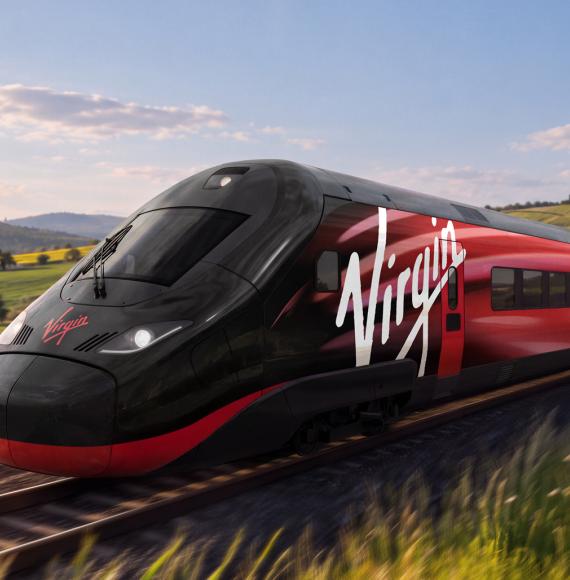
Particular attention is being given to the potential introduction of double-decker trains, which could provide significant capacity benefits but will also require careful planning around passenger movement, platform management and station operations.
The presentation also provided insight into several longer-term projects planned for the HS1 network.
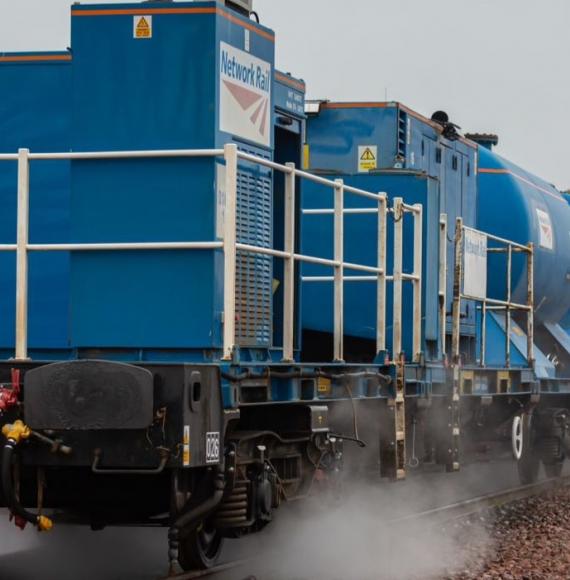
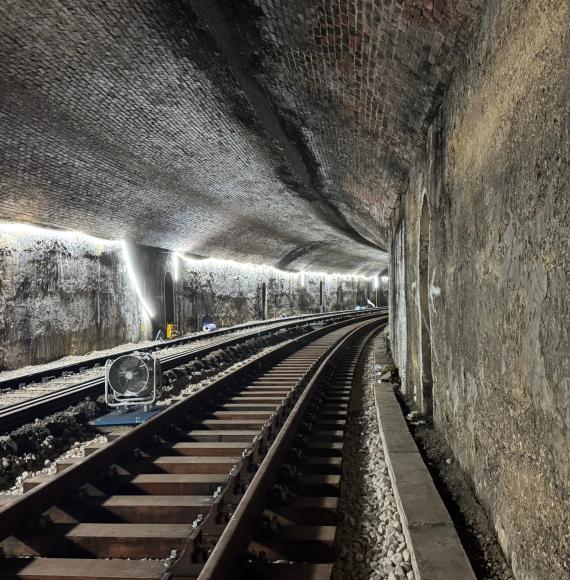
Among these is an upcoming ballast cleaning programme aimed at maintaining track quality and operational reliability across the route. Looking further into the future, Network Rail High Speed is exploring the potential transition to digital signalling systems during the 2030s, a move that could further improve capacity, reliability and operational efficiency.
Michael's update underscored the increasingly important role high-speed rail will play in supporting both domestic and international connectivity.
With passenger demand rising, infrastructure upgrades accelerating and major capacity enhancements under consideration, HS1 is positioning itself to meet future transport needs while maintaining the performance standards expected from one of Europe's most important high-speed rail corridors.
As the railway embarks on its next chapter, collaboration across the supply chain will be essential in delivering the projects needed to keep passengers moving efficiently between the UK and Europe.