
The Liverpool City Region is preparing to bring its rail services under direct public control, with new proposals set to be reviewed by the Combined Authority next week. The plans, announced by Mayor Steve Rotheram, would see the current Merseyrail concession end in 2028 without renewal, paving the way for a publicly owned operating model.
If approved, the move would mark a significant shift in regional rail governance and further strengthen ambitions to create a fully integrated transport network across the city region.
The proposal is positioned as a key step in delivering a unified transport system, linking rail with buses, ferries, active travel, and future rapid transit. The Combined Authority has already taken control of bus services and introduced tap-and-go ticketing, signalling a broader strategy to streamline passenger journeys.
Speaking on the plans, Steve Rotheram said:
“Since becoming Mayor, I’ve been determined to build a transport network that works better for the people who rely on it every day – one that’s easier to use, better connected and designed around passengers.
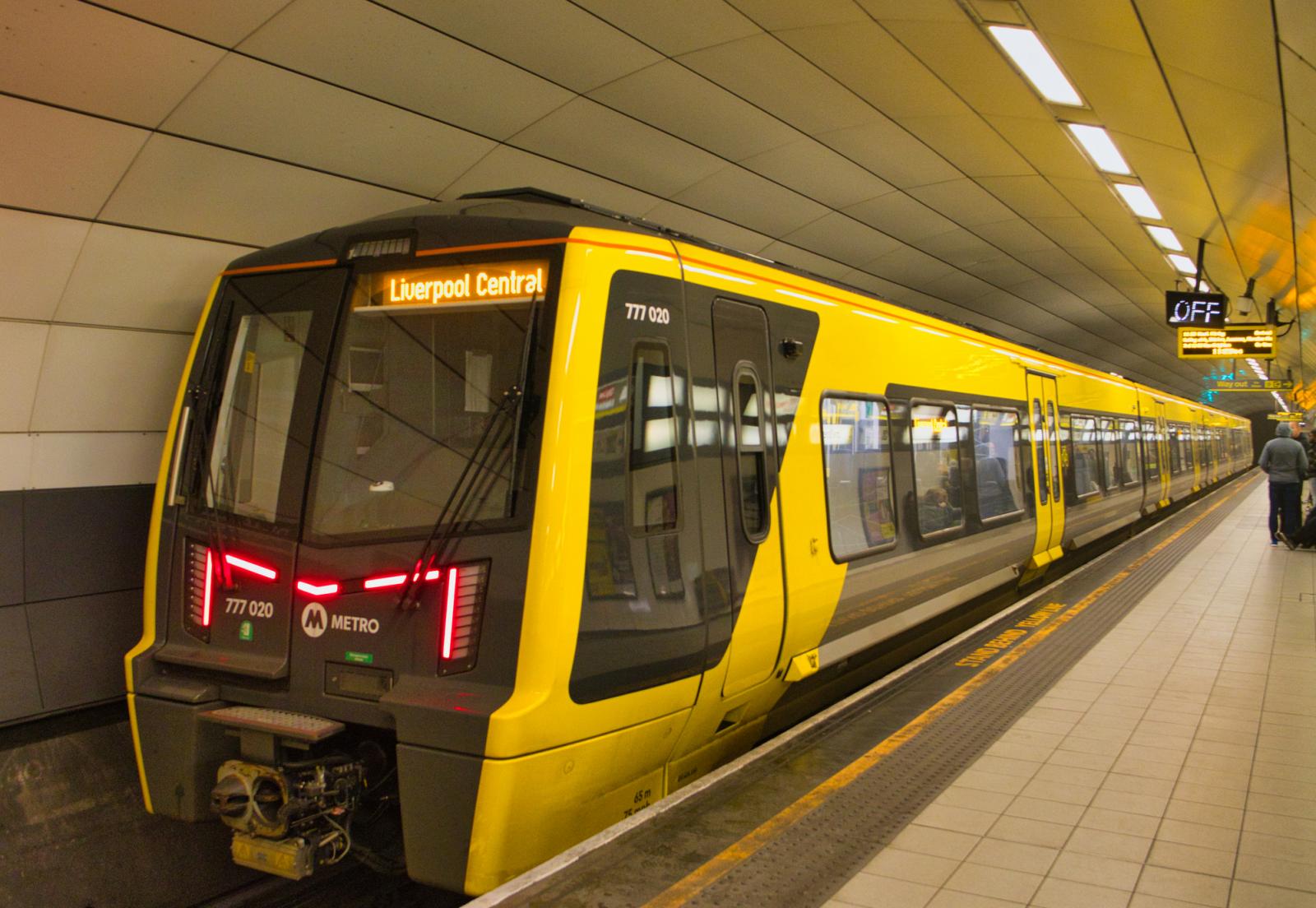
“We’ve already introduced the country’s first publicly owned train fleet in a generation, delivered new rail stations, taken back control of our buses, rolled out tap-and-go ticketing and started laying the foundations for a rapid transit network.
“Now we have the opportunity to take back control of our trains too.
“Merseyrail is already one of the best-performing rail networks in the country and that’s a credit to the people who run it every day. But the challenge now isn’t simply running a successful railway – it’s bringing together all the different parts of our transport network so they work as one.
“People don’t obsess about whether they are getting on a bus, a train or a ferry – they just want to get where they’re going as quickly and cheaply as possible. My ambition is simple: one network, one vision, working in the interests of the 1.6 million people who call our city region home.
“Taking back control of our trains will help us do exactly that. It will give us greater freedom to join up services, improve connections, reinvest more money back into the network and make decisions based on what works for passengers.
“We’ve been pioneers before. Nearly 200 years ago, the world’s first inter-city railway ran between Liverpool and Manchester. Today, we have another chance to lead the way – building a modern integrated public transport system fit for a globally renowned city region like ours.”
Building on £500m investment
The proposed transition follows a period of sustained investment in the Liverpool City Region’s transport infrastructure. Since Steve Rotheram took office, more than £500 million has been committed to modernising the network.
Key developments include:
- A new fleet of publicly owned trains operating on the Merseyrail network
- New stations at Maghull North and Headbolt Lane
- Plans progressing for four additional stations
- Expansion of publicly controlled bus services
- Continued rollout of contactless tap-and-go ticketing
Alongside rail and bus improvements, the region is also investing heavily in active travel infrastructure and advancing proposals for a rapid transit system designed to improve access to employment and education hubs.
Strategic implications for the UK rail sector
For industry professionals, the move signals a growing trend towards devolved, publicly controlled transport systems across metropolitan regions. By consolidating decision-making at a regional level, the Liverpool City Region aims to better align operational priorities with local economic and social outcomes.
Bringing Merseyrail services into public ownership could also enable greater reinvestment of revenues into network enhancements, while improving coordination between modes—a challenge that continues to shape the UK’s wider rail reform agenda.
With the current concession set to expire in 2028, the coming years will be critical in shaping the governance, operational structure and delivery model for one of the UK’s most highly regarded suburban rail networks.
Image credits: iStock