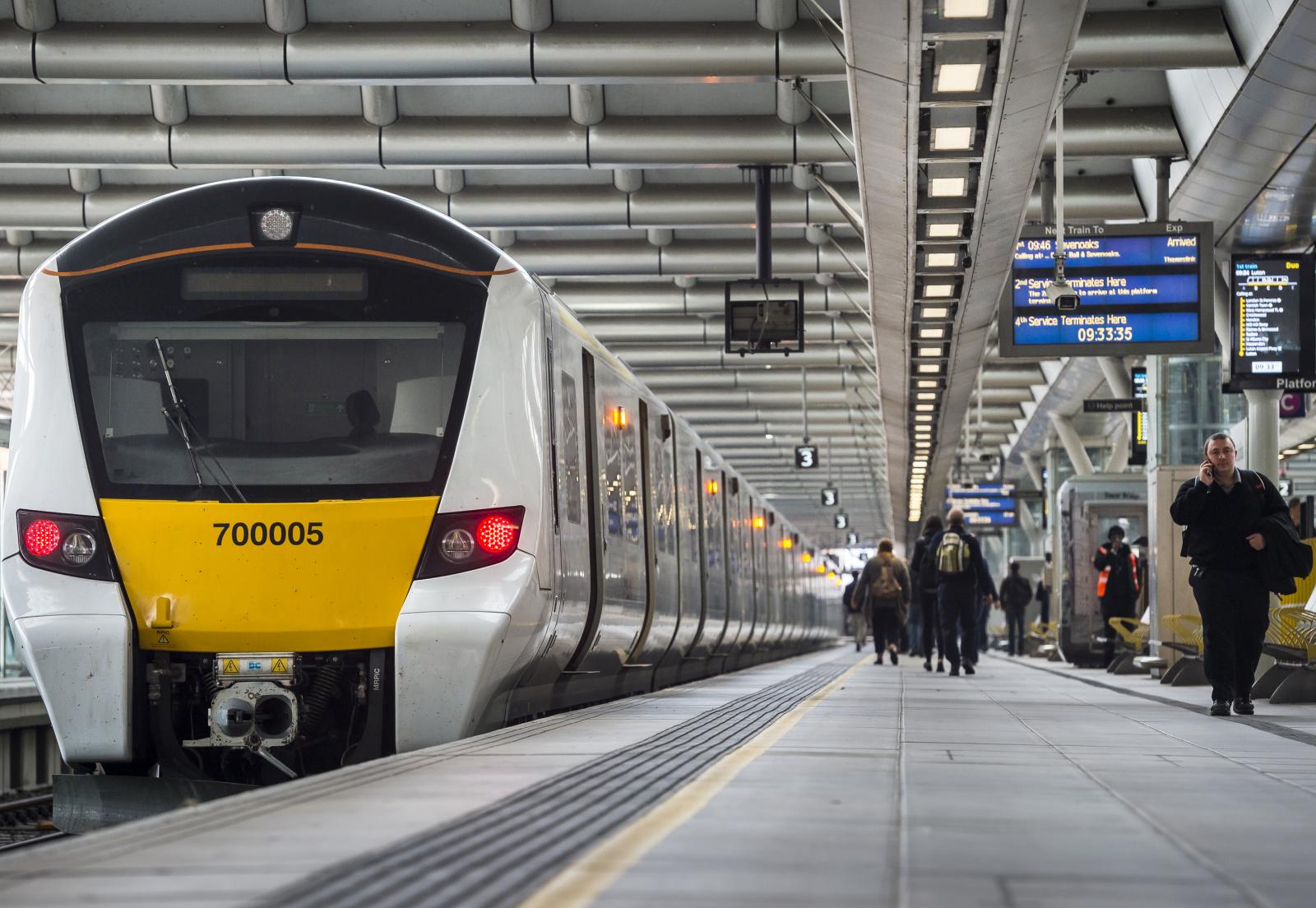
Work is now under way on a major programme to strengthen the resilience of the Thameslink core, one of the busiest and most operationally critical sections of the UK rail network. The investment comes as Thameslink has this week transferred to public ownership, placing renewed focus on performance, reliability and long‑term value for passengers.
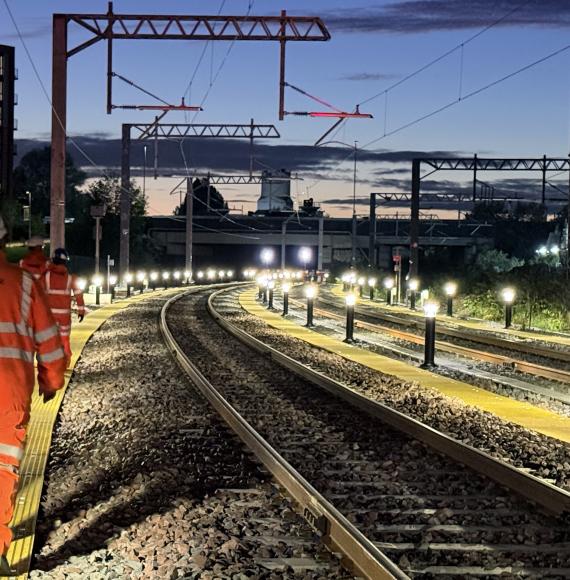
As part of Network Rail’s ongoing commitment to improving journeys and delivering a dependable railway for millions of customers, engineers are upgrading signalling and power infrastructure between London Blackfriars and Farringdon. The works are designed to reduce the risk of failures on a stretch of railway where even minor issues can have far‑reaching consequences across the South East and beyond.
A key element of the programme is the installation of a back‑up train detection system between Blackfriars and Farringdon. This ‘dual detection’ approach ensures trains can continue to run even if one system fails, significantly reducing the likelihood of delays caused by signalling faults.
Alongside the signalling upgrade, Network Rail is replacing the 20MW electrical substation between City Thameslink and Blackfriars. The asset is the largest substation on the 750V third‑rail network and operates under intense demand due to the sheer volume of trains passing through the Thameslink core every hour.
In addition, following a successful trial, Network Rail and Thameslink are exploring the permanent installation of thermal imaging cameras on the front of Thameslink trains. The technology is designed to detect developing ‘hot spots’ on infrastructure and rolling stock, allowing faults to be identified and addressed before they cause disruption.
The Thameslink core route between London St Pancras International and Blackfriars is among the most intensively used sections of railway in the country. Up to 44 trains per hour operate on just two tracks, linking services from Kent, Sussex and the East Midlands through the heart of London.
With no diversionary routes available, any fault within the core can quickly ripple across the wider network, affecting services as far afield as Brighton and Cambridge, or Horsham and Peterborough.
Work on the signalling upgrade is already in progress, with two further weekend track closures planned for June. These closures have been carefully scheduled to minimise disruption while giving engineers the time and access needed to complete the work safely.
Louise Greaves, Network Rail’s Infrastructure Director said:
“The heart of Thameslink, in central London, is one of the most critical sections of railway in the country, where even small issues can quickly have a big impact on thousands of passengers."
“By installing a dual detection system, upgrading the power supply and looking at the fitment of train cameras, we’re making a targeted investment in reliability and resilience. Two detection systems means that even if one fails, trains can keep moving, reducing disruption and improving journeys for passengers.”
Dual detection technology has already been deployed successfully north of Farringdon in 2020, where delays caused by track circuit failures have since declined. Network Rail expects similar performance improvements once the new system is fully operational between Blackfriars and Farringdon.
Following installation, the upgraded systems will undergo testing throughout autumn 2026, with final commissioning planned before the end of the year.
Image credit: Network Rail