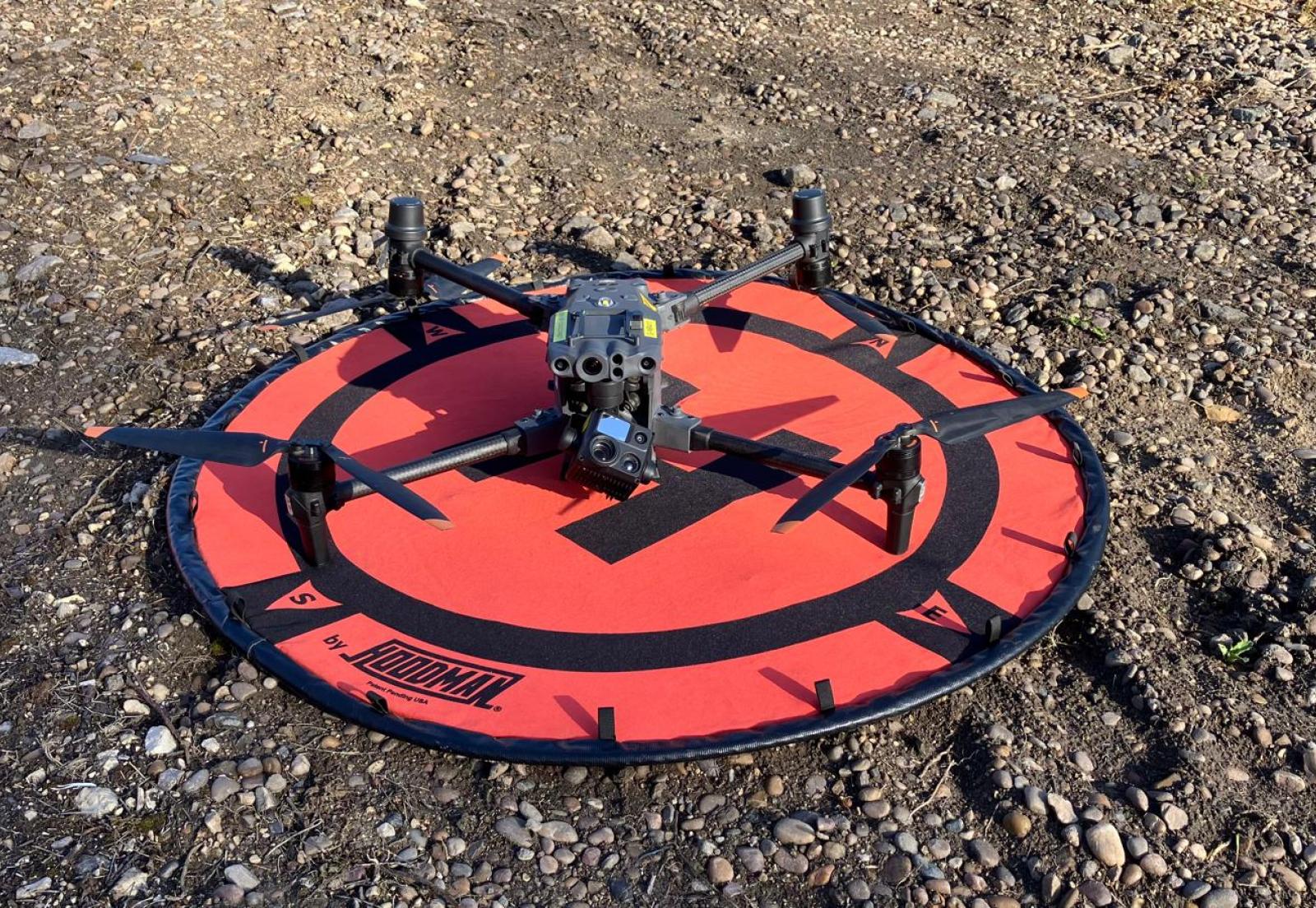

Network Rail is exploring the use of drone technology to help railway teams respond more quickly, safely and effectively to flooding, storms and other severe weather events across the East Coast Main Line.
The latest drone flight exercises, taking place near Doncaster, are designed to demonstrate how aerial imagery can provide engineers with a rapid overview of railway infrastructure following adverse weather incidents. The trials are part of a wider evaluation by Network Rail East Coast into how unmanned aerial vehicles could support operational decision-making and improve resilience across the route.
With climate change continuing to increase the frequency and severity of extreme weather, railway operators face growing challenges in maintaining infrastructure and recovering services. According to the Met Office's State of the UK Climate Report 2025, summer 2026 was the UK's hottest on record. The report also found that winters between 2016 and 2025 were 3% wetter than the 1991-2020 average and 13% wetter than the 1961-1990 period.
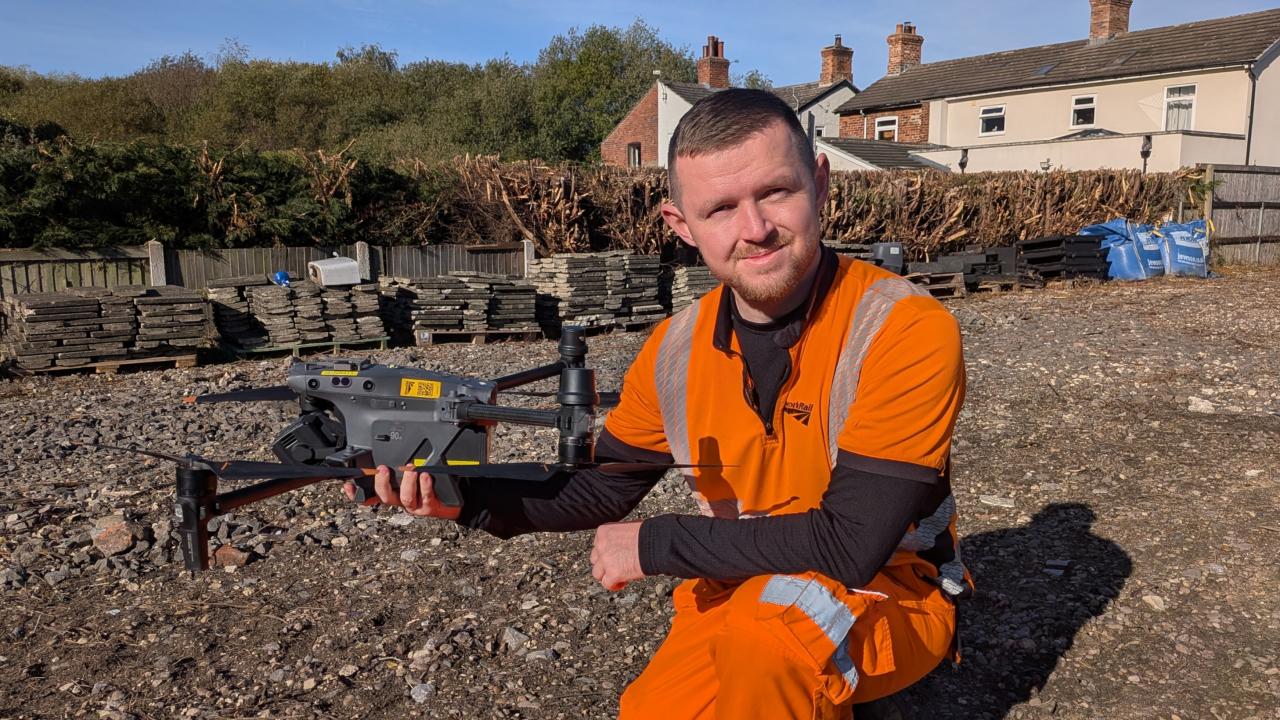
During severe weather events, affected sections of railway can become difficult or unsafe for engineers to access. This can delay inspections and impact the speed at which services can be restored. By deploying drones, teams can gather vital information remotely, allowing them to assess conditions, identify areas of concern and prioritise on-site inspections more efficiently.
The technology is expected to support a range of weather-related scenarios, including surveying storm damage, monitoring floodwater levels and providing real-time situational awareness to operational teams. Better visibility of the network could help decision-makers determine whether train services can continue operating safely and where resources need to be deployed.
The East Coast route is building on positive experiences seen elsewhere in the rail industry. Network Rail's East Midlands route reported savings of approximately £100,000 between September 2025 and March 2026 through the use of drones across incidents including flooding, trespass and lineside fires.
Industry Leaders Back Drone Technology
John Grainger, joint head of performance, Network Rail East Coast & LNER, said:
“Severe weather can make parts of the railway difficult to reach at times when we most need accurate information to help our teams make the best decisions for our customers and colleagues. Drones have the potential to give a much quicker view of what is happening, whether that means checking for damage following high winds or monitoring water levels during flooding.
“Drone tests have shown that they can support and complement our expert engineers and more traditional inspection methods, providing an extra pair of eyes during challenging times.
“We want to deliver the best service that we can for our customers as they travel by train. Embracing technology like this helps us keep everyone safe and allows us to get trains moving as quickly as possible after disruption.”
Part of a Broader Digital Railway Strategy
The drone trials form part of a wider programme of technology-led infrastructure monitoring already underway on the East Coast route. Existing systems include the Pantograph Damage Assessment System (PANDAS) and Automated Intelligent Video Review technology, both of which are deployed on LNER trains to monitor overhead line equipment and track conditions.
As weather-related disruption becomes an increasingly significant challenge for Britain's railways, drone technology could become a key tool in helping operators protect infrastructure, improve safety and minimise delays for passengers.
Image and video credits: Network Rail