Direct Rail Services (DRS) has taken a major step towards the future of digital rail operations with the introduction of advanced European Train Control System (ETCS) driver training simulators at its Carlisle facility.
The investment underlines DRS's commitment to operational excellence, safety and workforce development as the UK rail industry accelerates the transition to digital signalling technology.
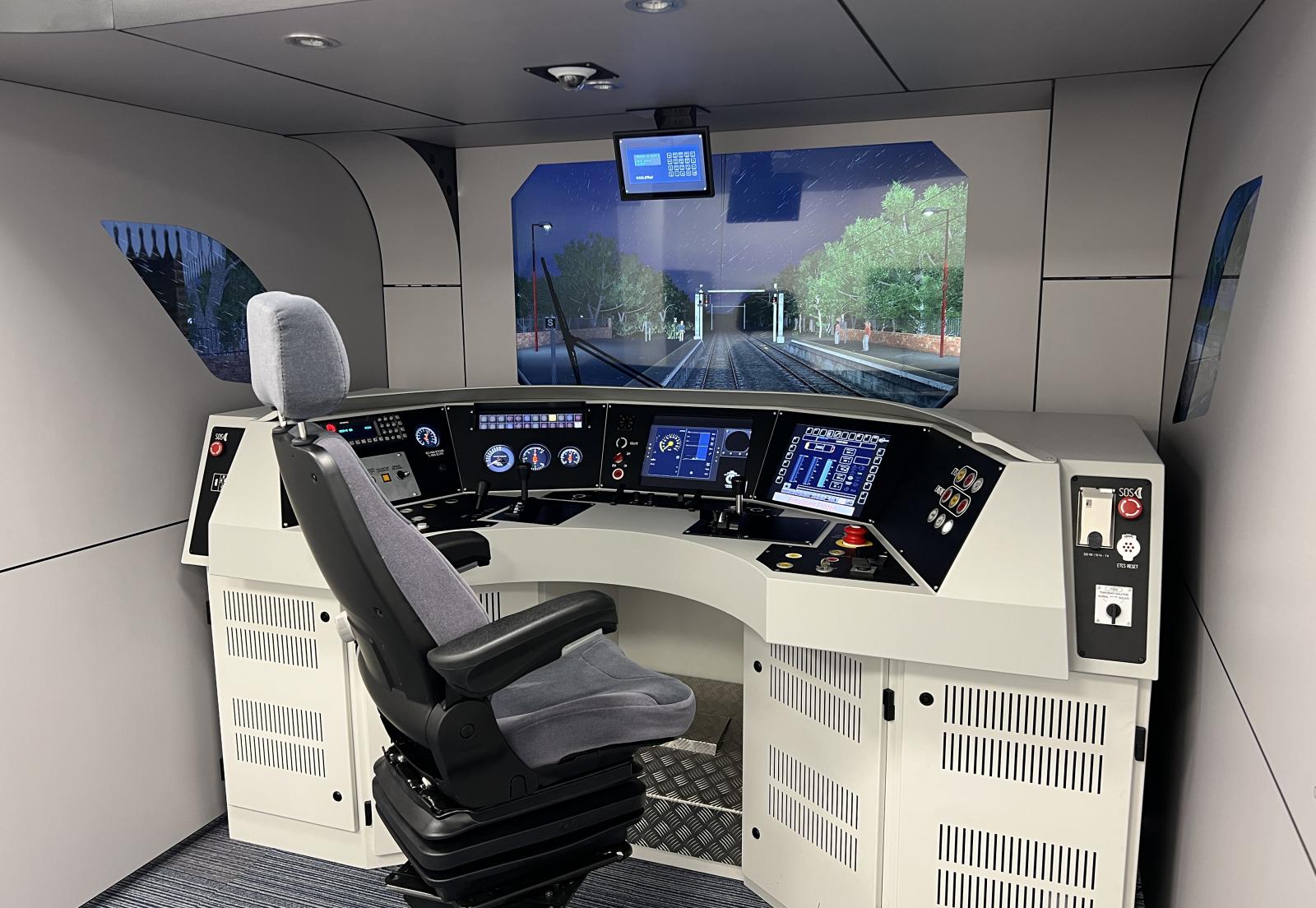
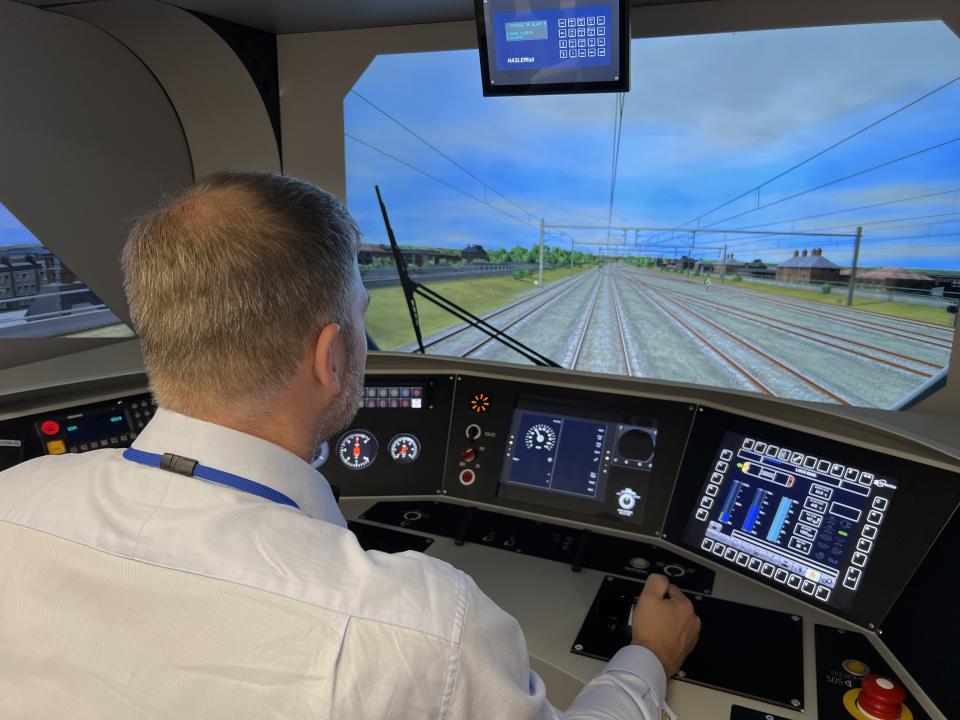
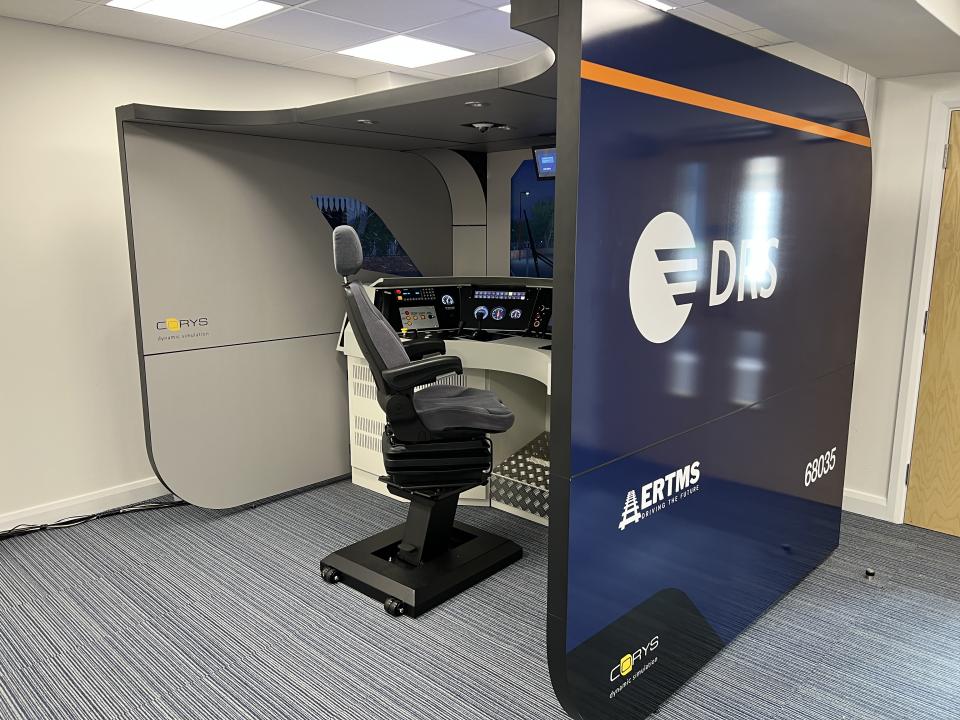
Installed at DRS's Regents Court office in Carlisle, the new simulator suite includes a fully immersive virtual cab and several desktop-based simulators. The technology has been designed to replicate real-world driving conditions and ETCS operations, enabling drivers to gain practical experience in a safe and controlled environment before operating on the live railway.
ETCS forms a key part of the UK's digital railway programme, replacing traditional lineside signals with in-cab digital signalling. The system is designed to enhance safety, improve reliability and increase network capacity. ETCS has already been deployed on sections of the East Coast Main Line through the East Coast Digital Programme (ECDP).
By using high-fidelity simulation technology, DRS drivers can familiarise themselves with ETCS interfaces, practise responses to operational scenarios and strengthen decision-making skills without affecting live railway services.
Tony Hewitson, Rail Director at NTS, said:
"The introduction of these new ETCS training simulators marks a significant milestone for DRS and demonstrates our commitment to training excellence and the future of the railway.
"As digital signalling technology becomes more widely adopted across the network, it is essential that our drivers have access to the highest standards of training. This simulator provides a realistic and engaging environment that helps develop competence, confidence and operational readiness while maintaining our unwavering focus on safety."
The simulators have been funded by Network Rail as part of the wider rollout of ETCS and significantly expand training opportunities beyond those available in a live railway environment.
Chris Hobden, Programme Director (ECDP), Network Rail, said:
"Making a successful switch to digital signalling is about people as much as the technology involved. Network Rail is investing in these facilities to ensure drivers have both the competence and confidence to drive in ETCS. Digital signalling will provide a safer, more capable and more reliable railway for rail freight, supporting its growth and contribution to our economy and environment."
The systems were developed and supplied by CORYS, the French simulation specialist that has worked extensively across the UK rail sector. The latest platform has been built alongside UK freight and passenger operators and continuously refined as ETCS implementation evolves.
John Madden, Commercial Director at CORYS, said:
"CORYS is proud to support DRS's ETCS driver training as part of the East Coast Digital Programme. The DRS simulators benefit from the latest UK ETCS platform, built with UK freight and passenger operators since 2018 and continuously updated as the real system evolves. Working in partnership with the DRS team has been a genuine pleasure, and their Carlisle training facility is state-of-the-art. We look forward to supporting the wider ETCS rollout as it extends across the network."
The simulator programme forms part of DRS's broader commitment to developing the skills required for the next generation of railway operations, ensuring employees are equipped to meet the evolving needs of customers and the wider rail industry.
Dale Howcroft, DRS ETCS Operations Specialist, added:
"This simulator gives our drivers the opportunity to gain hands-on experience with ETCS in a safe and controlled environment. It allows us to recreate a wide range of scenarios and support consistent, high-quality training that will benefit both our people and our customers."
As ETCS deployment gathers pace across the UK network, investments in advanced training technology are becoming increasingly important in ensuring rail operators can deliver a safe, reliable and digitally enabled railway.
Image credits: Network Rail