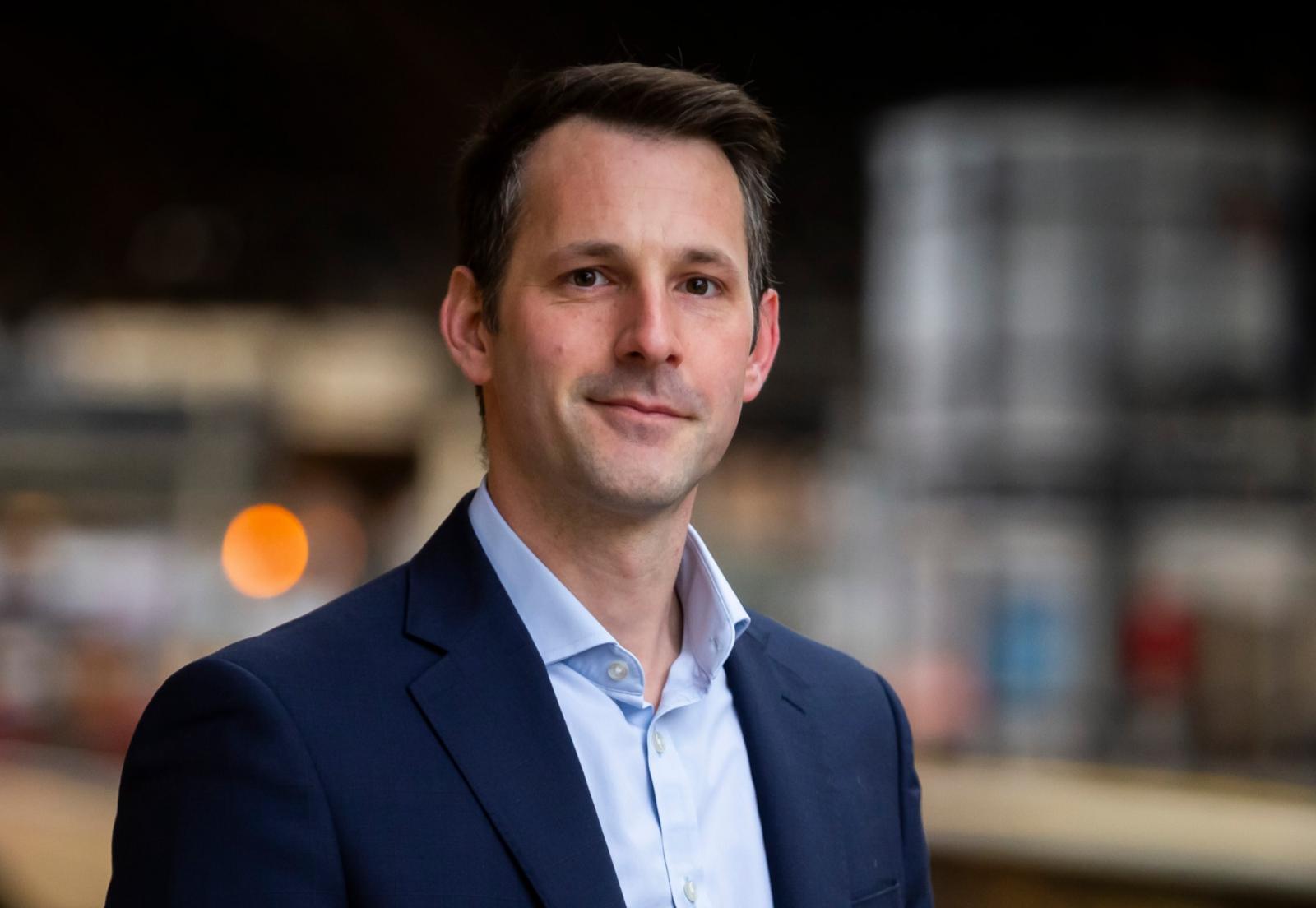
Northern’s ambitious plan to procure up to 450 new trains is gathering momentum, with newly appointed Director of New Rolling Stock Programmes, James Howard, promising a transformation in reliability, accessibility and passenger experience for millions of customers across the region.
Howard, who has been central to shaping Northern’s rolling stock strategy in recent years, said the scale of the programme marks a defining moment for rail in the North.
“This will be a step change for the North,”
he said. “It will be the largest ever investment in our fleet, providing our customers with modern, reliable trains, and we are working to deliver them as quickly as possible.
“Getting to this point hasn’t been easy but that only fuels our desire to see it through. I fundamentally believe Northern needs these new trains and our customers deserve them.
“There has been significant investment in the infrastructure, with projects like the Transpennine Route Upgrade (TRU), and we need modern trains to realise the benefits.”
A Record Investment in Northern’s Future Fleet
Northern’s rolling stock renewal will be delivered in three phases, beginning with around 130 trains in the first tranche. Manufacturers were invited to submit final tenders in November, with submissions due next month. The operator aims to award contracts by early 2027, with the first units expected to enter service in 2030.
The scale of the investment reflects a fleet currently dominated by trains introduced in the 1980s and 1990s. Under current plans, two‑thirds of the existing fleet will be replaced over the next decade—one of the most significant rolling stock modernisations in recent UK rail history.
Modern, Efficient and Environmentally Flexible Trains
The new fleet will comprise fully electric, battery-powered or multi‑modal units, providing operational flexibility while supporting decarbonisation ambitions. Although just 25% of Northern’s network is currently electrified, further wiring schemes are planned. Multi‑modal and battery units can later be converted to make full use of new electrified sections as they come online.
The rollout will begin with electric trains on key corridors, including York–Leeds and Huddersfield, before older units are progressively withdrawn in the early 2030s.
Reducing Fleet Complexity for Better Reliability
Howard stressed that Northern will be “rigorous and selective” to avoid adding too many different classes of train into the fleet—a long-standing operational challenge.
Northern currently operates 11 different train types, a legacy that creates training and maintenance complexities for both traincrew and engineering teams. The new procurement aims to reduce this variety significantly, improving resilience, efficiency and long-term maintainability.
Improving Accessibility with Level Boarding
A key design priority is enhanced accessibility. Howard’s team is focused on achieving consistent level boarding, ensuring new trains align with network-standard platform heights and any future station upgrades. This is expected to reduce dwell times, improve operational performance and provide a more seamless passenger experience—especially for those with reduced mobility or travelling with luggage or prams.
A Leader Returning at a Crucial Moment
Howard first joined Northern in 2011 before spending two years with Stagecoach’s rail franchise bid team. He returned to Northern in 2018 shortly after the operator introduced 101 new trains, part of a £500 million government-backed investment.
Now, he is set to lead what will be Northern’s most significant transformation to date.
Image credit: Northern