The gradual coming together of Network Rail and other operators under the united ownership of Great British Railways marks an exciting period of transformation for both passengers and rail staff. This process of nationalisation should be taken as a chance to tackle important issues, and the violence faced by frontline workers stands out as an immediate priority.
The Rail Safety and Standards Board reports that 94% of frontline rail staff have experienced work-related violence, and that 25% have been victims of physical assault, figures that have been growing since 2015. The Office of Rail and Road argue that this violence has grown beyond a traditional security concern, and must also be regarded as a core health and safety issue.
Rail reform and unified management present an opportunity to apply the same integrated approach to employee protection.
What does frontline conflict actually look like?
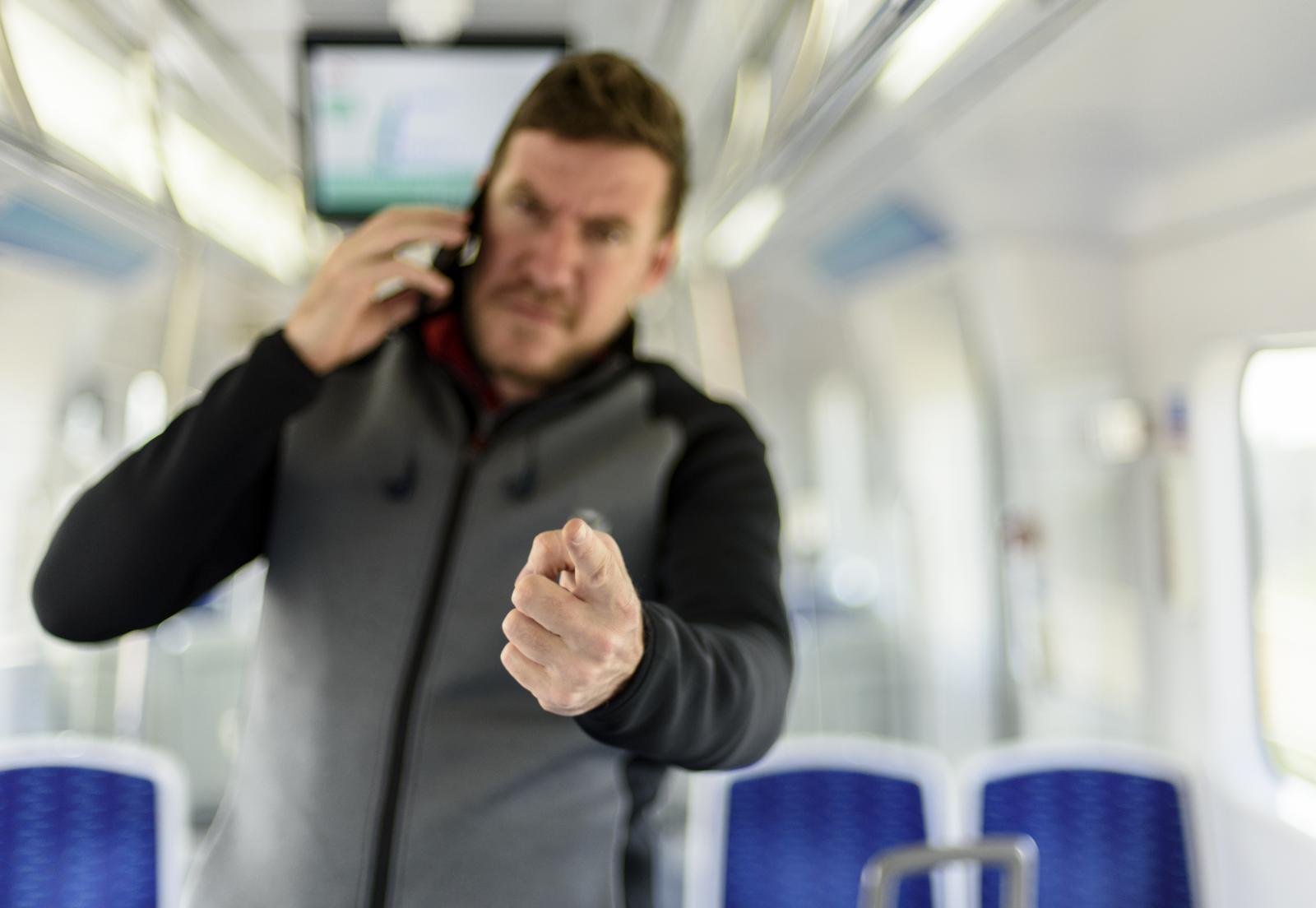
The staggering rise in violence and harassment against rail staff stems largely from routine interactions. Transport for London estimates that around 40-50% of all work-related violence within the network escalates from simple fare disputes. Other examples of everyday interactions that now carry an increased risk to staff include:
- Rule enforcement, such as managing noise levels, intoxicated individuals and anti-social behaviour
- Explaining delays and cancellations
- Shepherding crowds during disruptions to services or security incidents
Some of these can be explained, at least in part, by the country’s gradually worsening cost of living rates and economic uncertainty causing a generally elevated level of public anxiety. Trains have become more expensive over the past decade, and a passenger who is approached about a discrepancy regarding their fare may face the possibility of having to pay a fine they might struggle to afford. Whether the dispute is over a genuine mistake on their part or an intentional effort to procure a cheaper but invalid ticket, the result is the same: they have extra incentive to resist any effort to fine them.
Building defence into operational design
Traditional security infrastructure struggles to account for this increase in dynamic, day-to-day altercations. By their very nature, these routine interactions take place anywhere staff and travellers meet, which can be busy platforms, ticket gates, waiting areas and even trains in motion.
This puts security operators in a difficult position. Training on conflict resolution and de-escalation can only do so much when exposure to these interactions is a key element of frontline staff function. Where stations reduce their staffing levels, frustrations might increase, and the hostility would simply pass to the next available outlet, such as sanitation workers, as has been noted by the Confidential Safety Hotline.
Security technologies can help bridge the operational visibility gap. One of the most promising avenues for protecting frontline staff is body cameras, which the Rail Delivery Group and Cambridge University found reduce the chances of an assault on staff by 47%. The presence of body cameras also reduced assaults against all workers within participating stations by 26%, suggesting their presence acted as an effective deterrent to violence.
In that same report, 67% of prosecutors for the British Transport Police stated that body-worn camera evidence was useful in a majority of their cases, highlighting their usefulness beyond an initial interaction.
Though a TfL Safety and Security panel found a 71% compliance rate among teams using body-worn cameras, this discrepancy was largely attributed to training gaps. As rail providers unify, they can begin to standardize the practical education workers are given, and ensure familiarity with data protection and retention laws.
Fostering an atmosphere that encourages reporting
A worrying statement from the RSSB concerns how underreported workplace violence is among frontline rail staff. Without a good idea of the scope and context of when, where and how these incidents occur, it can be difficult to outline prevention and detection strategies.
Staff should feel encouraged to come forward and detail:
- The time and location of the incident
- What triggered the confrontation, and how severe it became
- How it was contained or de-escalated
- What the outcome was
Both to give them a sense of confidence that their concerns and potential physical injuries and psychological distress are acknowledged, and to better inform how resources should be distributed in the future.
A chance to rebuild safety from a new starting point
Now that the steps to unify rail operators under Great British Rail are in place, there is an opportunity to restructure how the frontline staff delivering day-to-day service are protected. This unification will make it easier to share incident data and enforce consistent safety and security protocols across the country, and ensure that each worker is given the same standard of training and education.
Technology will be instrumental in this shift, but it can not alone carry the responsibility of addressing the growing rates of violence and aggression rail workers have seen. Operators will need the data to understand when, why and how incidents begin, and to coordinate rapid responses when they escalate.
Image credit: iStock