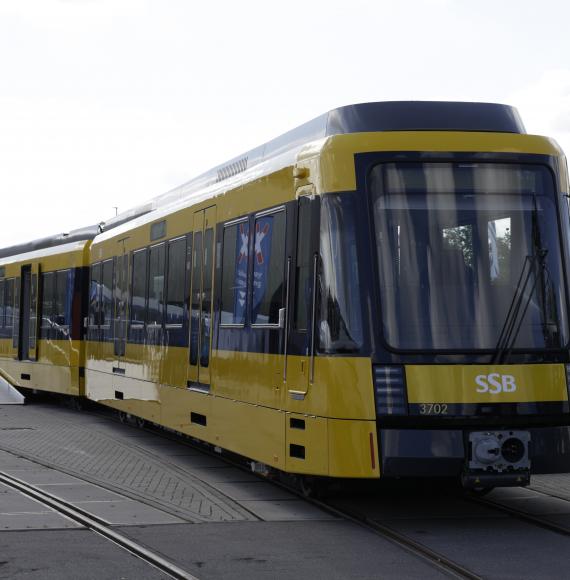
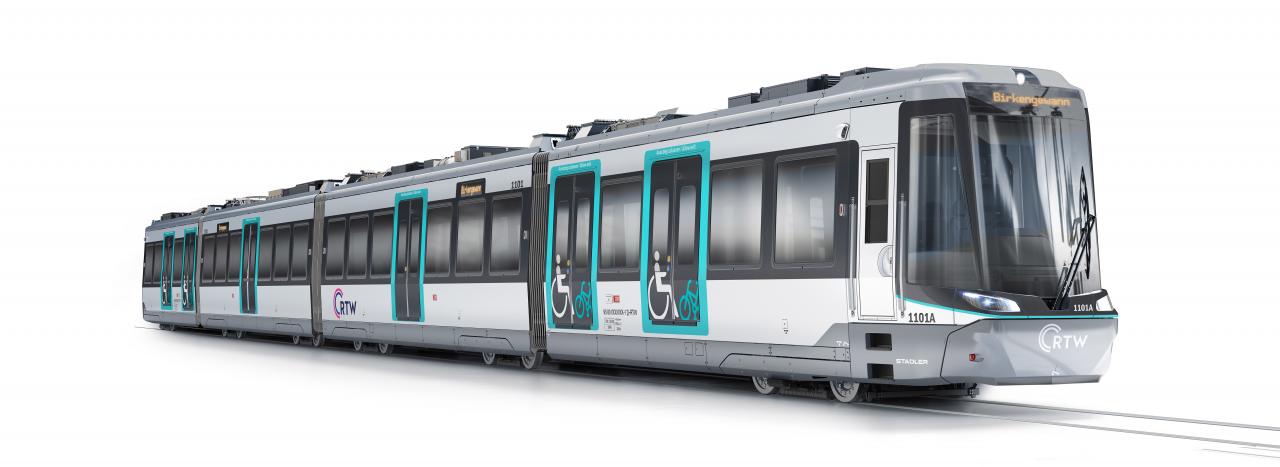
Stadler has landed a significant deal with Fahrzeugmanagement-Region Frankfurt RheinMain (fahma), a subsidiary of Rhein-Main-Verkehrsverbund (RMV), to deliver 27 CITYLINK tram-trains for the Regionaltangente West (RTW) line. The agreement also includes a 30-year maintenance package, covering servicing and spare parts.
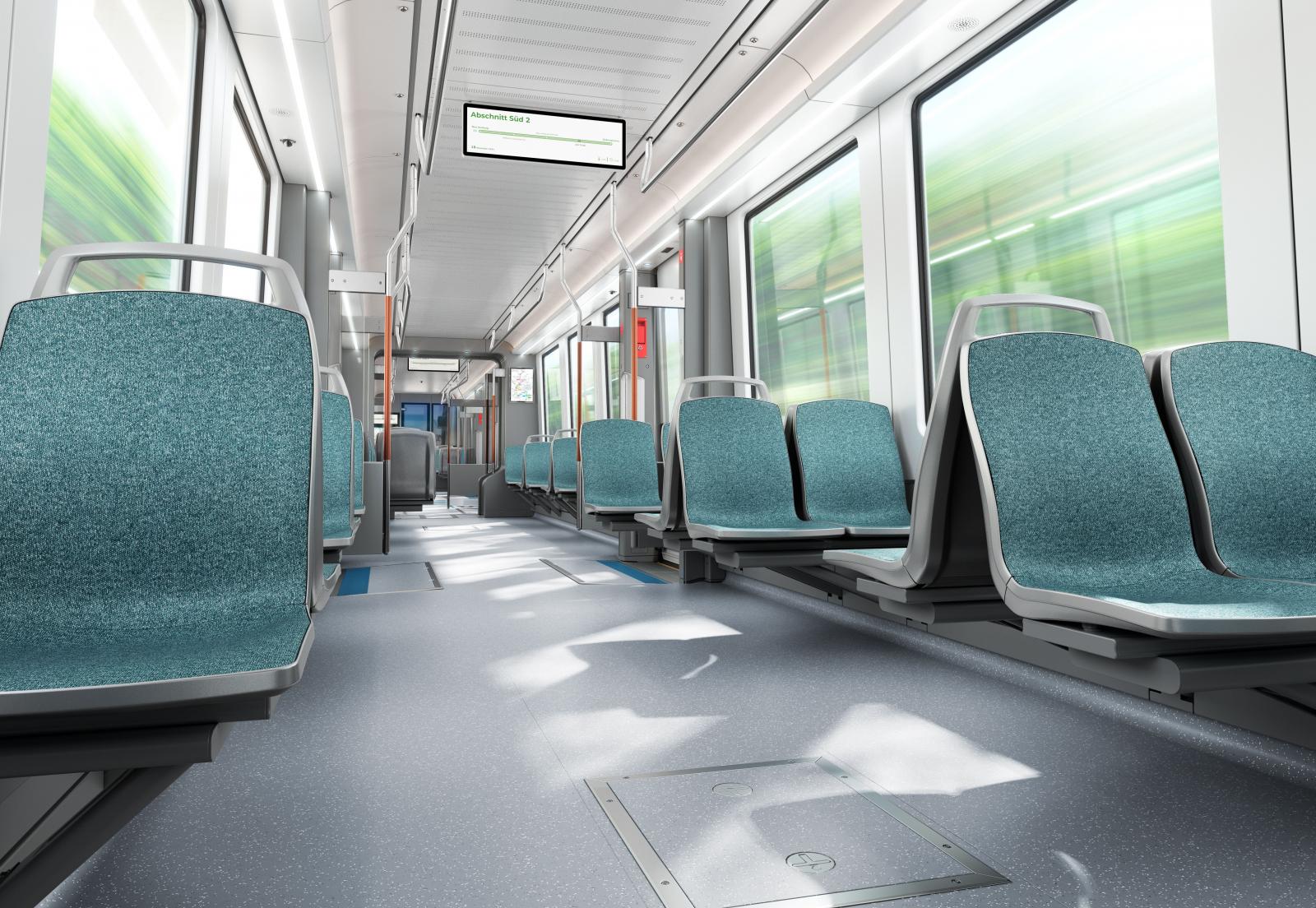
The new fleet is being designed specifically for RTW’s operational needs. As dual-system vehicles, the CITYLINK units will run seamlessly on both mainline and light rail infrastructure. Each tram-train will measure around 50 metres in length, offering space for approximately 360 passengers and ensuring barrier-free boarding across varying platform heights—a critical feature given RTW’s mix of Deutsche Bahn platforms (76 and 96 cm) and its own 80 cm standard.
The first three vehicles are scheduled for delivery in autumn 2028 for testing and approval. Full fleet rollout is expected by autumn 2030, aligning with RTW’s planned launch at the December 2030 timetable change.
Stadler’s CITYLINK platform is already well-established in Europe, optimised for combined urban and regional services. This project, however, introduces bespoke adaptations to meet RTW’s unique requirements.
RMV Managing Director Prof. Knut Ringat, who also heads fahma, emphasised the milestone:
“With the award of the vehicle delivery and maintenance contract, another decisive step has been taken towards the completion of the Regionaltangente West. Not only are the three core sections of the Regionaltangente West now under construction, but the decision on the vehicles has also been made. This means that the most important foundations have been laid for the full launch of operations on the Regionaltangente West line at the end of 2030.”
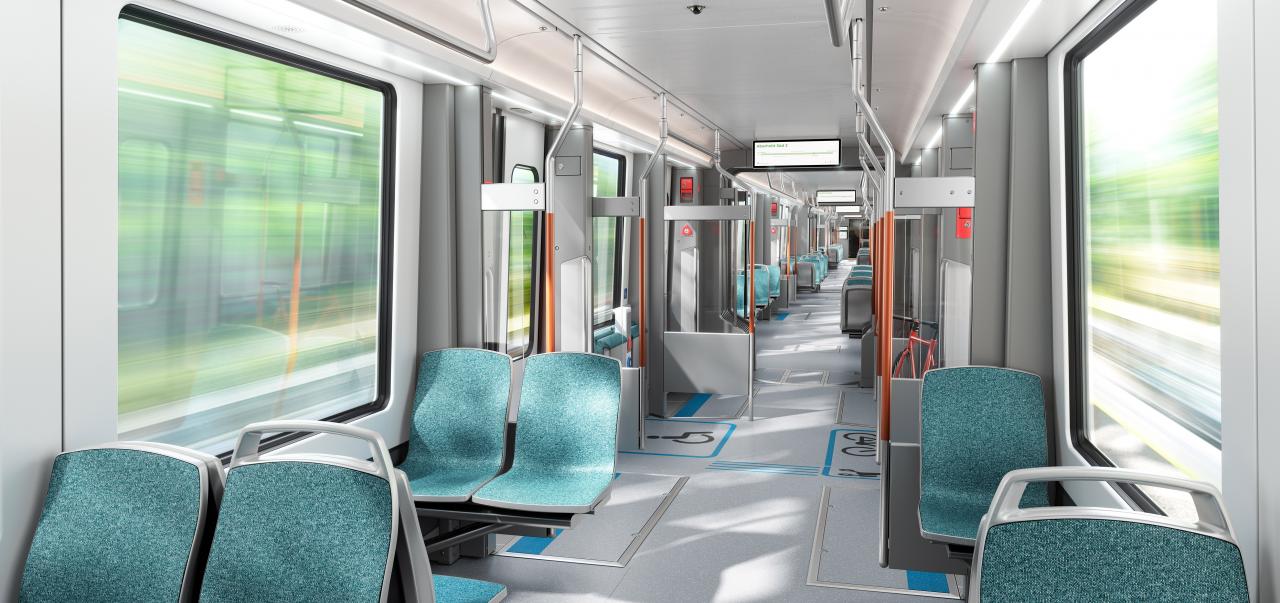
Iñigo Parra, CEO of Stadler Division Spain, echoed the significance:
“We are delighted to have been awarded the contract and to have earned the trust of fahma and RMV in entrusting us with the construction and maintenance of the vehicles for the RTW. This is a special project that requires new developments, for example in terms of barrier-free access at different platform heights. We look forward to realising further dual-system vehicles that will enable passengers to transfer without changing trains, thereby increasing the attractiveness of public transport. The Stadler team is very experienced, highly motivated and will implement the project on schedule.”
Image credits: Stadler