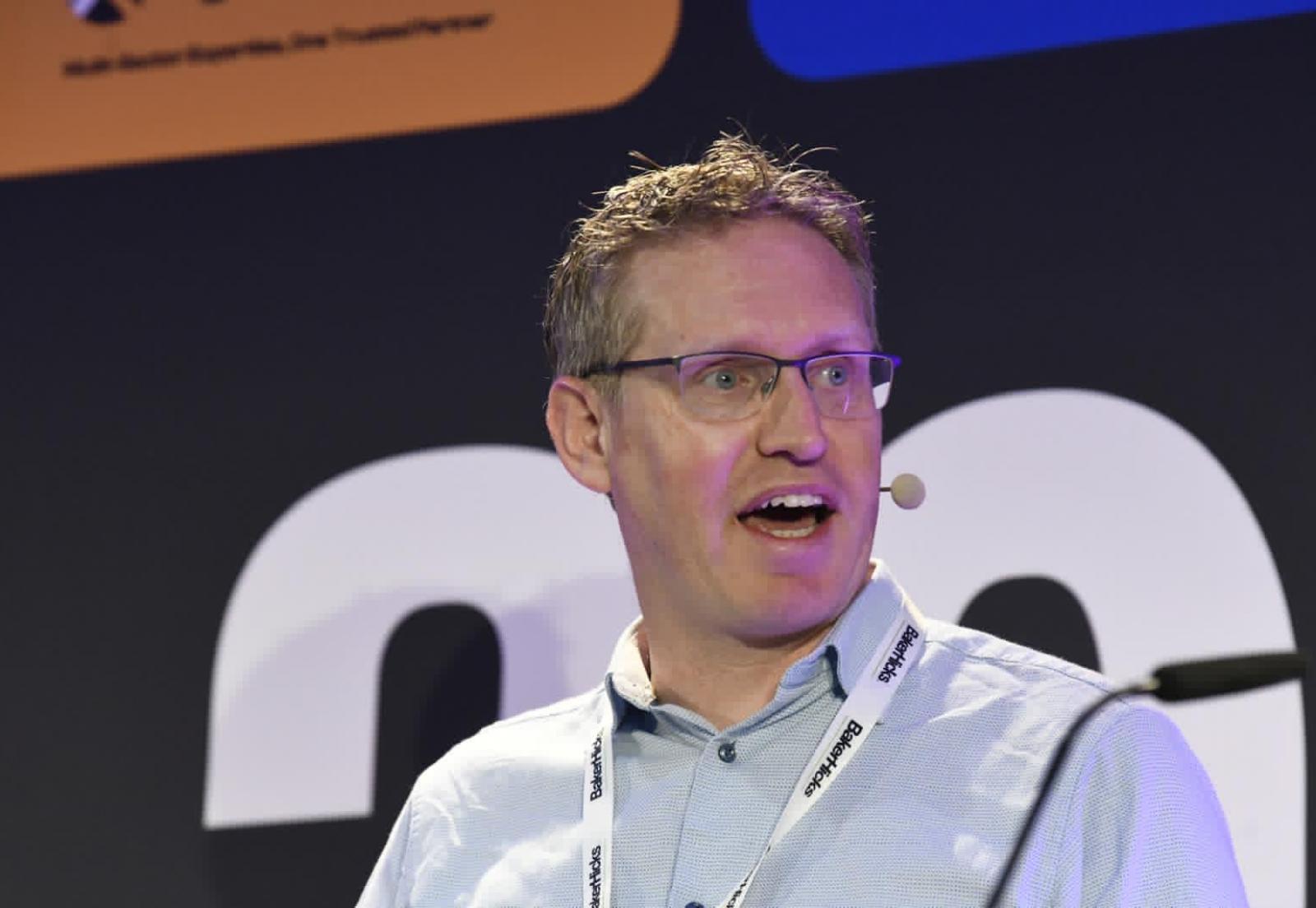

At TransCityRail Scotland 2026, Jon Newton delivered a compelling keynote on one of the most consequential challenges facing the rail sector today: rolling stock decisions that will shape performance, passenger experience and operating costs for decades.
Drawing on the realities of Scotland’s current fleet, Jon highlighted the operational complexity caused by a legacy mix of trains – some dating back to the 1970s. This fragmented, “higgledy-piggledy” fleet continues to create inefficiencies and makes it harder for operators to deliver consistent, reliable services across the network.
One of the most striking insights from the session was the changing nature of passenger demand. With over 70% of rail users now travelling for leisure rather than commuting, the strategic case for modernisation is intensifying.
Jon stressed that this demographic shift requires a fundamentally different approach to rolling stock – one that prioritises comfort, accessibility and experience, as well as reliability. The current fleet, built for a different era of rail travel, is increasingly out of step with these expectations.
Looking ahead, Jon outlined an ambitious programme that will see 65% of Scotland’s train fleet replaced within the next 10 to 12 years. This is not just a procurement exercise, but a system-wide transformation.
Key considerations include:
- Infrastructure upgrades to accommodate new rolling stock
- Workforce training to ensure operational readiness
- Integration planning to minimise disruption during fleet transitions
He also underscored the disproportionate importance of Scotland’s intercity fleet. While accounting for less than 5% of ScotRail services, these trains generate a significant share of passenger revenue – making them a critical focus for investment.
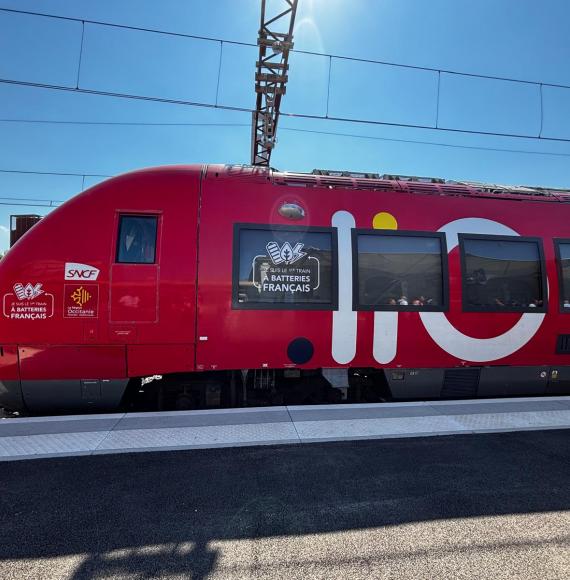
Jon pointed to electrification and battery-electric technology as central pillars of Scotland’s future fleet strategy. With procurement processes already underway, there is growing momentum behind battery-electric multiple units (BEMUs), particularly for suburban and regional services.
These technologies not only support decarbonisation targets but also offer operational flexibility on routes where full electrification may not yet be viable.
Accessibility was another major theme of the keynote, with a strong emphasis on level boarding solutions. Designing trains that are accessible to all passengers - regardless of mobility – will be a core requirement in future procurements.
This reflects a broader industry shift towards inclusive design, ensuring rail remains a viable and attractive option for all users.
Jon’s presentation provided a clear-eyed assessment of both the challenges and opportunities facing Scotland’s rail network. From ageing assets to shifting travel patterns, the need for decisive, long-term thinking has never been greater.
His message was clear: rolling stock decisions made today will define the railway’s performance, customer satisfaction and cost base for a generation.