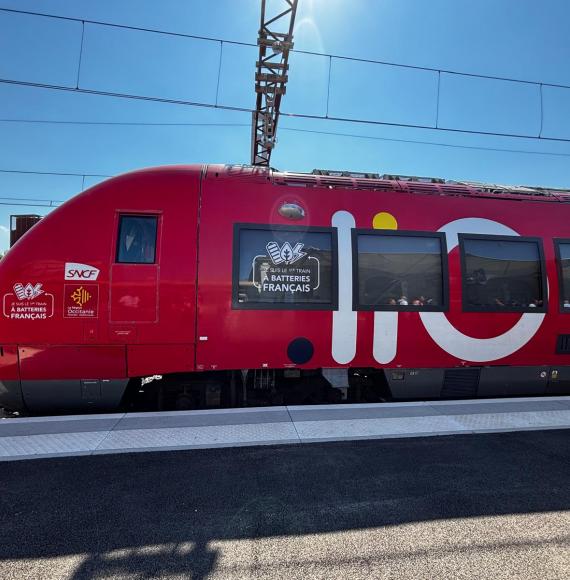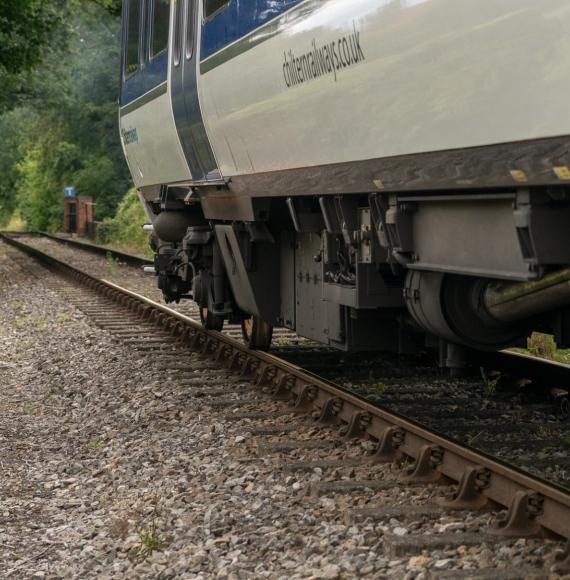
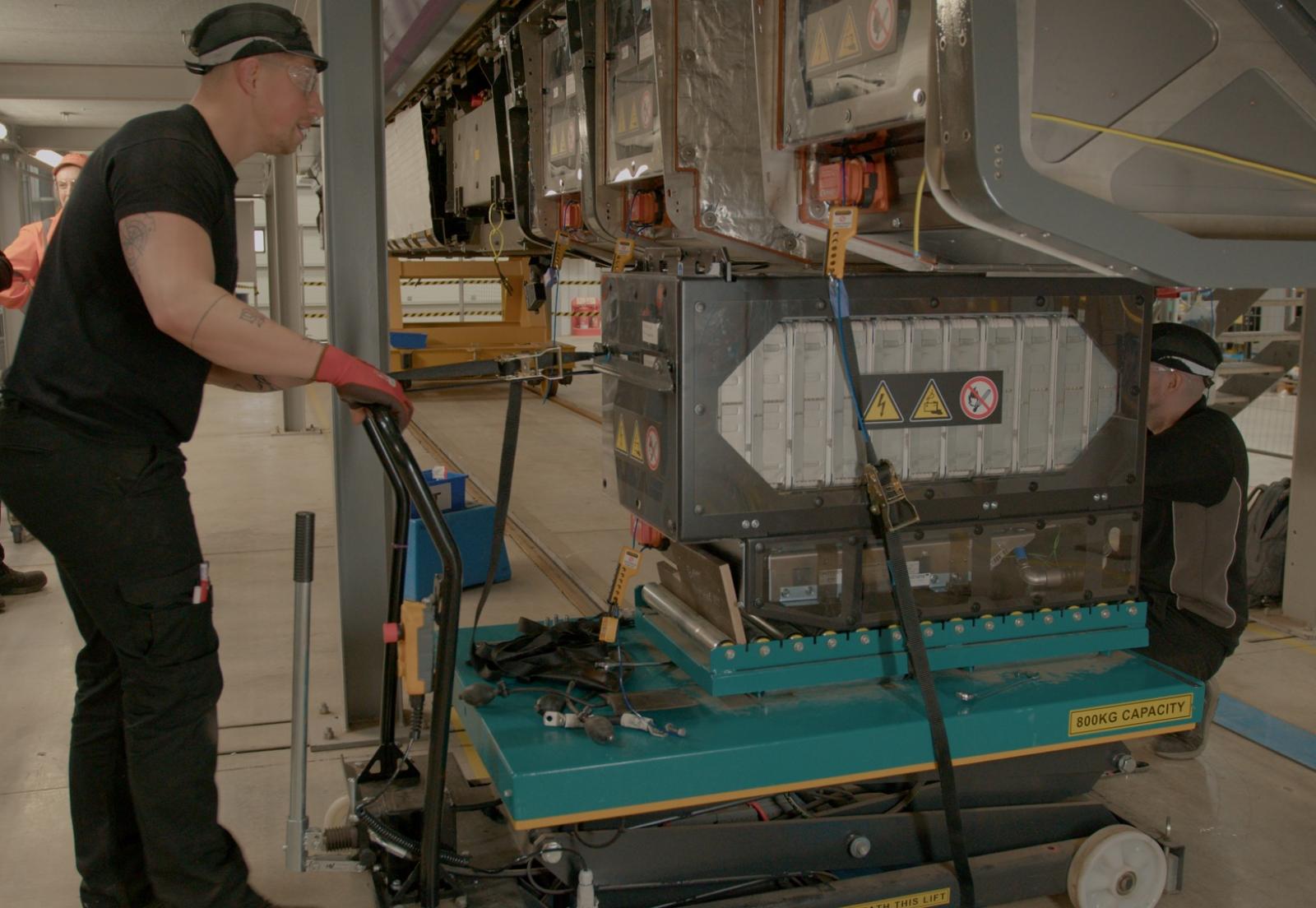
Turntide Technologies has secured its first production order from Hitachi Rail, marking a major step forward for battery-powered trains in the UK. The agreement will see Turntide begin manufacturing its next-generation modular battery system, destined for the first UK-built battery trains to operate on Arriva’s Grand Central network.
Originally announced on 2 July 2025, the partnership has progressed from research and development into full production. The collaboration carries significant long-term potential, with scope to support new-build battery trains or retrofit more than 600 engines across existing Hitachi Rail UK fleets—highlighting the scale of opportunity for decarbonising Britain’s railways.
A Milestone for UK Rail Manufacturing
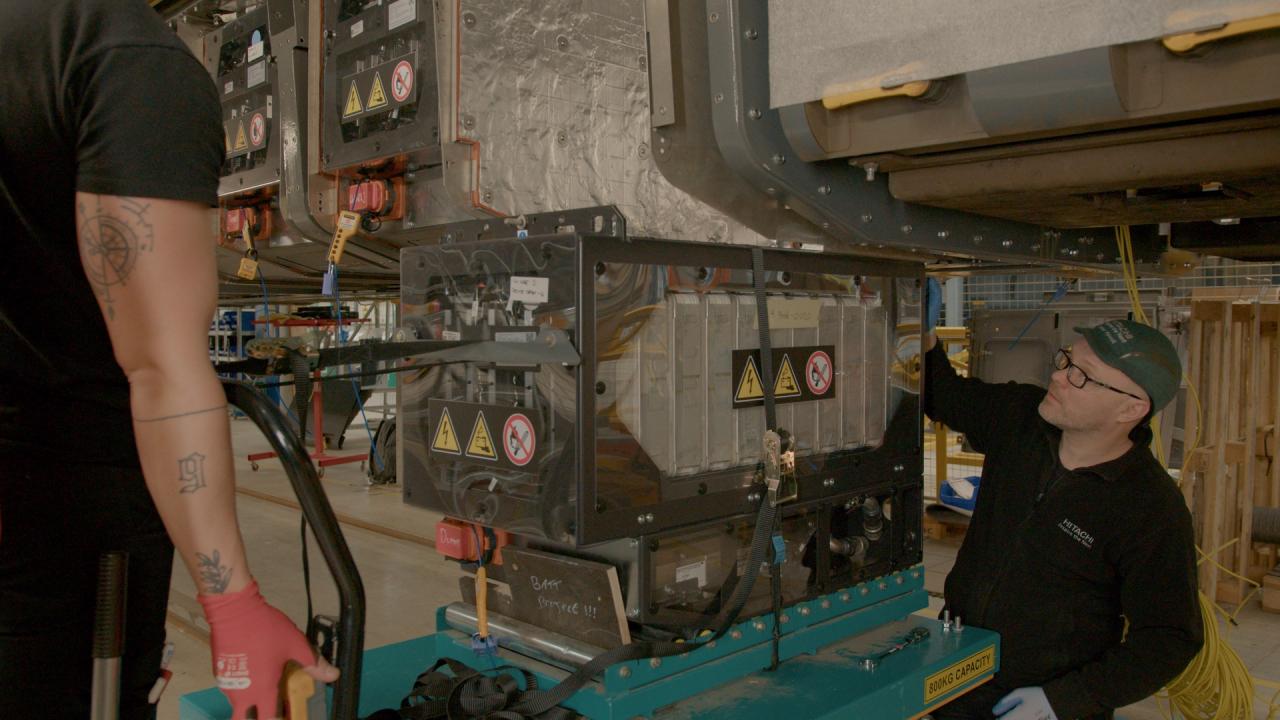
Production will support a new fleet being assembled at Hitachi Rail’s Newton Aycliffe facility in County Durham—a site already central to the UK’s rail manufacturing renaissance. Turntide’s bespoke battery system is engineered to deliver higher power density within the same space as a conventional diesel engine, offering an efficient and practical route to electrification without extensive infrastructure overhaul.
The technology promises lower operating costs, longer range, and a credible pathway to zero-emission rail travel. It also addresses persistent challenges such as noise pollution and poor air quality, particularly in non-electrified stations and urban environments.
This latest development builds on a successful intercity trial conducted in 2024, which exceeded expectations. In a UK-first, the trial demonstrated that Turntide’s battery technology could be integrated into Hitachi trains, reducing fuel costs by between 30% and 50%, or enabling fully zero-emission journeys when operating in battery mode.
Industry Reaction
“Following several years of close collaboration, we are now moving into production with Hitachi Rail to deliver quieter, more fuel-efficient, and environmentally friendly rail transport in the U.K.,” said Steve Hornyak, CEO of Turntide Technologies. “As operators and customers want to be less reliant on fossil fuels, we see growing global demand for hybrid and electric solutions in passenger rail.”
The move comes at a critical time, with around half of the global rail network still dependent on diesel traction. In this context, tri-mode trains—combining battery, electric, and diesel power—are increasingly viewed as a faster, more cost-effective alternative to full network electrification.
Koji Agatsuma, Chief Technology Officer Vehicles at Hitachi Rail, emphasised the significance of the milestone:
“This milestone shows that the UK does not need to wait for battery train manufacturing capability – it already exists in the North East. Our £30 million investment, proven trials, the skilled workforce at Newton Aycliffe, and our partnership with Turntide have moved battery trains from concept to reality.
“Combined with our HMAX for Rail digital platform, this technology will reduce energy consumption and optimise battery charging to make greater use of renewable energy when it is most available and grid demand is lower.
“This battery and digital innovation are part of Hitachi Rail’s preparation for the next phase of train manufacturing, where battery power will deliver greener and more reliable journeys, while supporting the Government’s Northern Growth Strategy.”
Arriva’s investment underscores operator confidence in the technology. Paul Hutchings, Managing Director for Rail Services at Arriva, said:
“We’re proud to be the very first adopters of this battery technology following our collaboration with Turntide and Hitachi to deliver our new tri-mode trains, which enter the Grand Central fleet from 2028. Our £300 million investment in a completely new fleet will mean best-in-class, low emission trains delivering more comfortable and sustainable journeys as well as additional capacity on our network.”
A Turning Point for Decarbonisation
The shift to production signals a tangible move from concept to deployment for battery rail technology in the UK. With hundreds of trains potentially suitable for retrofit, and new fleets coming online later this decade, the partnership positions the North East as a hub for next-generation rail innovation.
For rail professionals, the implications are clear: battery and hybrid systems are no longer experimental—they are rapidly becoming a commercially viable solution for decarbonising non-electrified routes, delivering both environmental and operational gains.
Image credits: Turntide