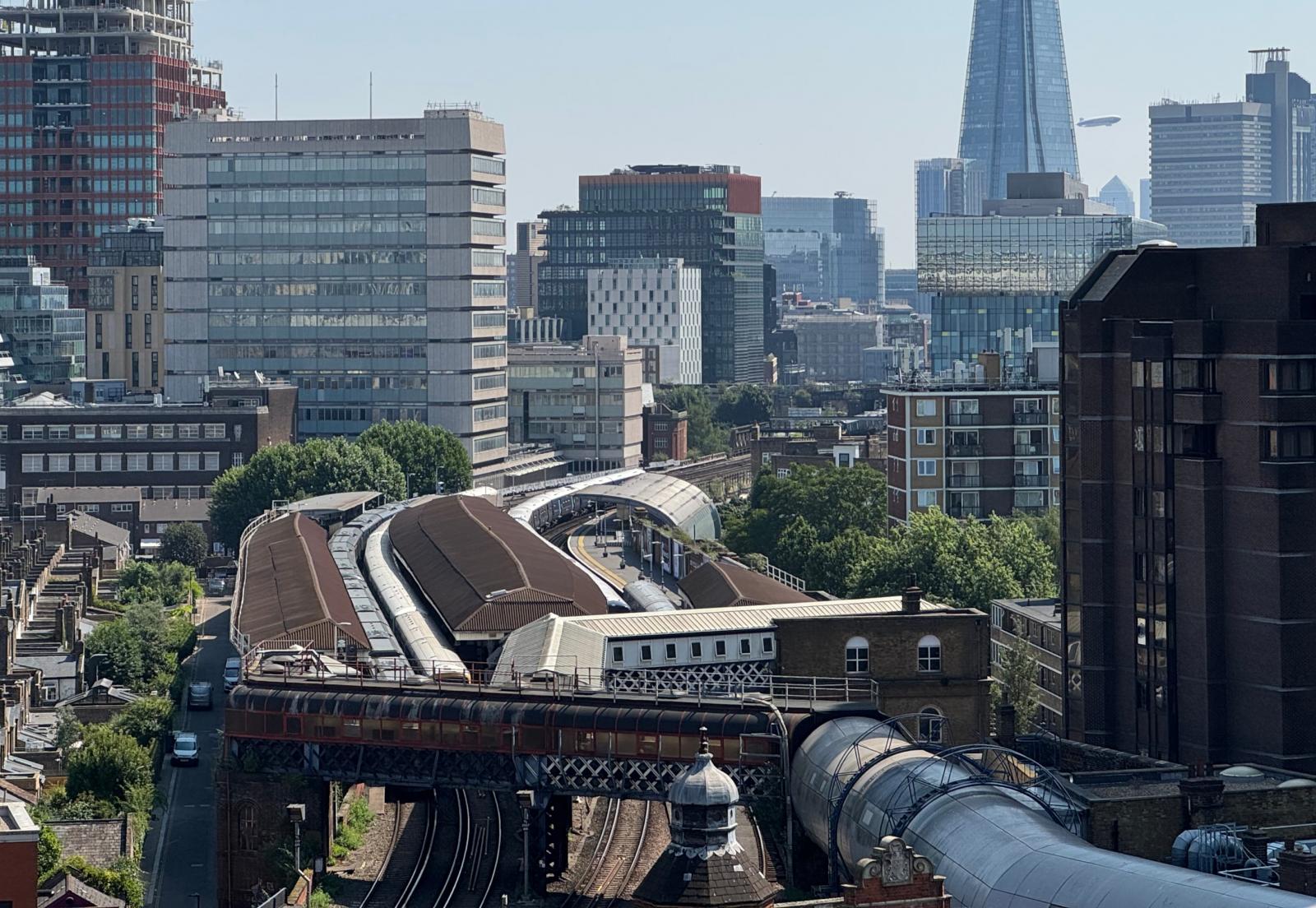
Passengers travelling with Southeastern this summer are being urged to plan ahead as two of London's busiest railway stations close for more than three weeks to allow a £20 million programme of essential engineering work to take place.
From 26 July to 16 August, no Southeastern services will operate to London Charing Cross or Waterloo East while Network Rail engineers undertake a major package of infrastructure renewals designed to improve reliability and ensure the railway remains fit for the future.
During the 22-day closure, Southeastern trains will instead serve London Victoria, Cannon Street, Blackfriars and London Bridge, with revised timetables, amended service frequencies and changes to first and last train departures across large parts of the network.
While routes into central London will remain available throughout the works, passengers are being advised to check their journeys before travelling and allow extra time where necessary.
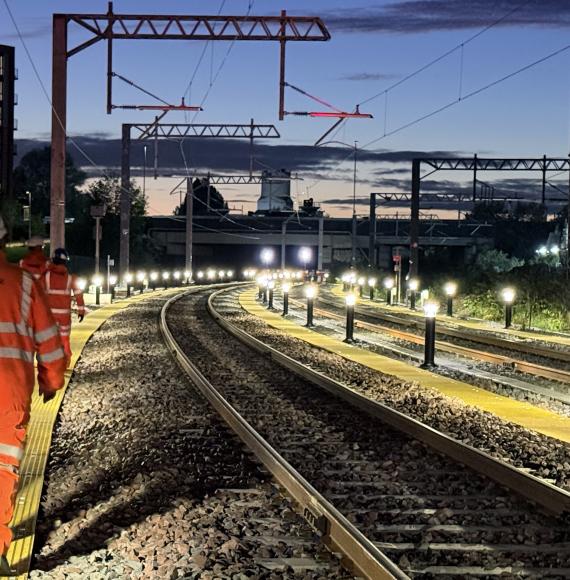
The investment programme will see engineers replace almost two kilometres of track that has been in service for 36 years, rebuild sections of platform at Charing Cross, improve drainage systems and carry out structural repairs to both the Waterloo East-to-Waterloo pedestrian link bridge and Hungerford Bridge.
According to Network Rail and Southeastern, completing the work during a single extended closure over the summer holiday period is expected to minimise disruption overall. Passenger numbers are typically around 20 per cent lower than during peak commuter periods, meaning fewer customers will be affected than if the same work were delivered through a series of weekend possessions.
The alternative approach would have required around 60 separate weekend closures over several years.
Scott Brightwell, Safety, Planning and Performance Director, South Eastern Railway, said:
"We know closing two of London's busiest stations for more than three weeks will be inconvenient for many of our customers, and we'd like to thank them for their patience while this essential work takes place.
"The good news is that customers will still be able to travel into central London throughout the closure using alternative routes, although journeys and train times will be different.”
"Engineers will undertake extensive work to replace track and platforms that have been in use since the 1990s, as well as essential structural repairs, and by carrying out the work in one block, means we’re not needing to close the railway over 60 weekends which would have been the alternative.
"We would encourage everyone travelling during this period to check their journey before travelling and make sure they know the time of their last train home."
The project forms part of wider efforts to modernise rail infrastructure across central London, delivering long-term improvements in safety, reliability and operational performance while reducing future maintenance costs and minimising the burden on taxpayers.
Image credit: Network Rail