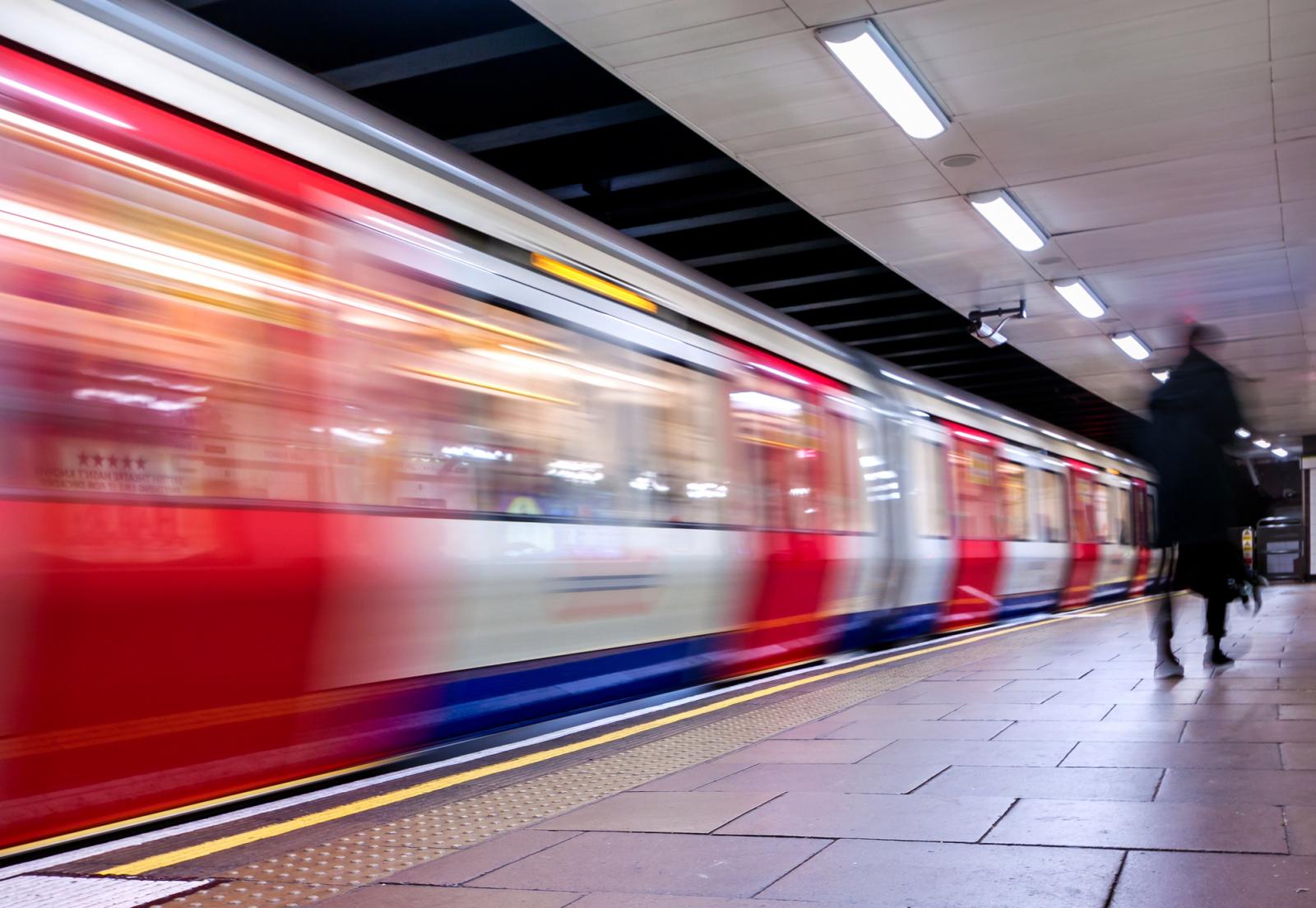

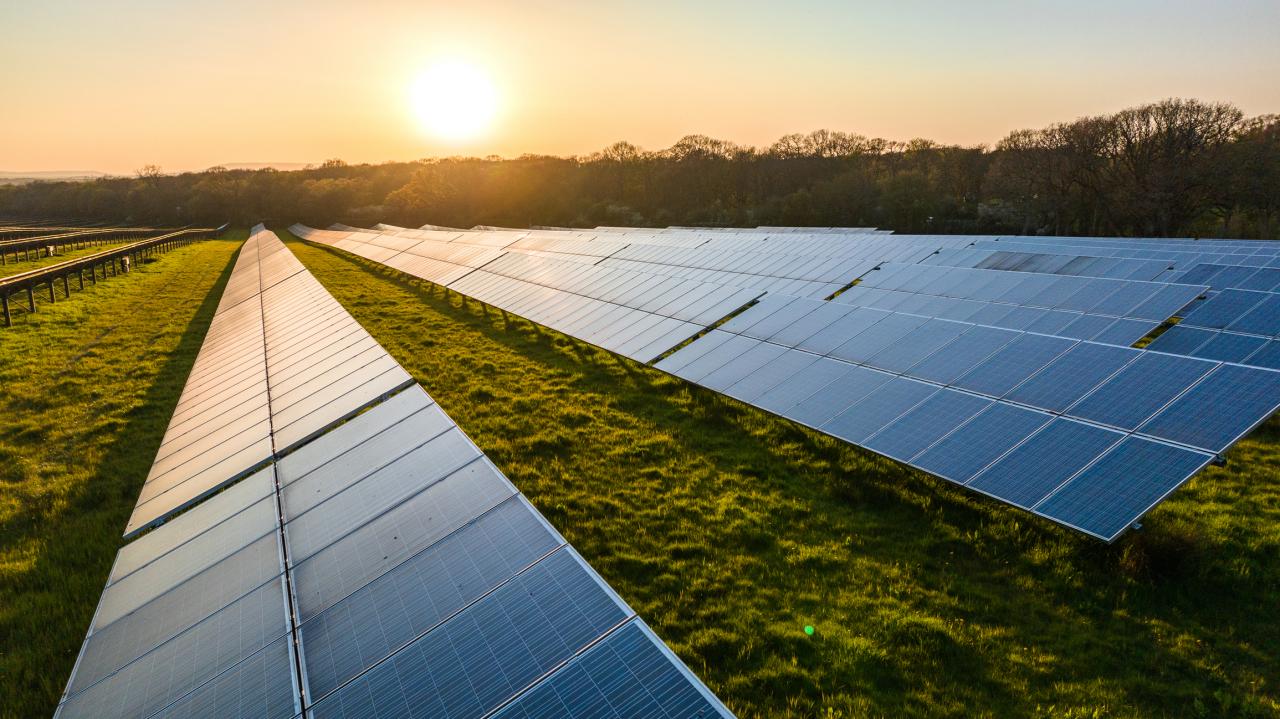
Transport for London (TfL) has appointed SSE Energy Solutions as its delivery partner to develop dedicated solar installations that will directly power parts of the Underground network. The decision follows a competitive procurement process and will allow TfL to receive zero‑carbon electricity straight from the new solar sites, bypassing the National Grid. As London’s largest single electricity consumer, the organisation sees this as a major step in its aim to run entirely on renewable electricity by 2030. The scheme is also one of the first private‑wire arrangements for an urban transport network in the UK.
With SSE Energy Solutions now confirmed as partner, both organisations will begin identifying suitable locations for the solar installations. Sites will need to be close to the TfL network to allow for direct connection and could include ground‑mounted solar arrays or rooftop panels. Once operational, the installations could deliver up to 65,000 megawatt hours (MWh) of renewable electricity annually—roughly two‑thirds of the estimated yearly consumption of the Victoria line, or enough to power around 25,000 homes. Over 25 years, the scheme could reduce carbon emissions by more than 27,000 tonnes, equivalent to almost 32,900 flights between London and New York City, while also supporting the growth of green jobs.
TfL currently consumes around 1.6 Terawatt hours (TWh) of electricity each year, equivalent to the usage of approximately 592,600 homes, or 15.5 per cent of households in London. The agreement with SSE Energy Solutions will allow the transport authority to source zero‑carbon electricity from purpose-built local installations, easing demand on central electricity grids. The partnership secures a fixed price for the renewable power, insulating TfL from market volatility and enhancing security of supply through local generation. Over time, the private‑wire arrangement could create further savings by avoiding some of the costs associated with using the National Grid.
The new partnership forms part of TfL’s long‑term Energy Purchasing Strategy, which includes plans to procure up to 70 per cent of its electricity through Power Purchase Agreements (PPAs). Last year, TfL agreed its first PPA for a new solar facility in Longfield, Essex, which will provide renewable electricity to the Tube at a fixed rate while contributing to the decarbonisation of the national grid. The remaining electricity will be sourced through a flexible green tariff, supporting the goal of reaching 100 per cent renewable energy across TfL operations by 2030 and aligning with the Mayor’s ambition for London to become a net zero carbon city by the same year.
Deputy Mayor of Environment and Energy, Mete Coban, said: "I am delighted that TfL is taking this major step towards powering London's transport system with clean, green energy - bringing us closer to our goal of operating on 100 per cent renewable electricity by 2030. As these new sites are selected, they will create green jobs, boost biodiversity, and supply clean power, relieving pressure on the National Grid as we continue to build a fairer, greener London for everyone."
Lilli Matson, Chief Safety, Health and Environment Officer at TfL, said: "We're excited to be working together with SSE Energy Solutions to deliver renewable electricity directly to the Tube network. Once built, the new solar installations will provide locally generated renewable electricity, reducing the pressure on the National Grid, while also helping to protect us against market volatility with the added potential for cost savings too.
"We all need to play our part to support the successful transition to renewable energy, working together across the public and private sectors. As one of the largest electricity consumers in the UK, we're committed to being the strong, green heartbeat for London. This collaboration is just one of the ways that we're working towards our wider ambition to use 100 per cent renewable source electricity across our operations by 2030."
Nathan Sanders, Managing Director of Distributed Energy at SSE Energy Solutions, said: "SSE Energy Solutions is proud to be appointed by TfL to deliver renewable energy directly to the Tube via private-wire - supporting London's 2030 net zero ambition and TfL's Corporate Environment Plan. We'll invest in, build, operate and maintain the projects, helping to decarbonise and manage price volatility while enabling potential savings for TfL."
The private‑wire solar programme is part of TfL’s broader strategy to reduce carbon emissions across its operations. TfL is phasing out fossil fuels in its buildings and further decarbonising its fleet, including transitioning support vehicles and buses to zero‑emission models. More than 2,800 zero‑emission buses already operate in London, forming the largest fleet of its kind in Western Europe.
TfL is also replacing lighting in stations, bus shelters and trains with LEDs, which use up to 60 per cent less energy while producing around 10 per cent more brightness. More than 40 per cent of Tube stations have already been converted, and all bus shelters— including advertising panels—are expected to follow in the coming months.
The organisation is also pushing to reduce carbon emissions in construction. It recently committed to the Construction Leadership Council’s Five Client Carbon Commitments, which set out actions to reduce carbon from construction activities. TfL has already embedded low‑carbon requirements in major projects at Old Street, Neasden and Surrey Quays and is working to cut embodied carbon from steel and concrete, while aiming for emission‑free deliveries by 2030 and diesel‑free construction sites by 2035.
These efforts form part of the TfL Corporate Environment Plan, published in 2021, which outlines how the organisation will support London’s target of becoming a net zero city by 2030. TfL is already delivering key measures, including the London-wide Ultra Low Emission Zone, an expanding fleet of cleaner buses, and the rollout of zero‑emission capable taxis.
Image credit: iStock