
A significant programme of engineering work is set to transform operations at Kilmarnock Station this summer, as Network Rail Scotland invests £13.5 million to enhance performance on one of the country’s most important regional rail routes.
The scheme, scheduled for August and September, will modernise the track layout through the station, addressing long-standing infrastructure constraints that currently restrict train speeds and operational efficiency. Once delivered, the improvements are expected to support faster, smoother journeys and increased service reliability for passengers travelling between Glasgow, Ayrshire, and Dumfries and Galloway.
Infrastructure upgrades to unlock capacity and improve flow
At the core of the project is a comprehensive reconfiguration of track geometry within the station footprint. Engineers will focus on key pinch points that have historically introduced delays and operational complexity.
Key works include:
- Enhancing the track layout for trains approaching from the south into platforms three and four, enabling higher entry speeds
- Rebuilding and simplifying sections of track for southbound departures from platform four to reduce wear and improve day-to-day reliability
- Relocating crossover infrastructure on platform three further from the station to create smoother and quicker train departures
These targeted interventions will not only improve current performance but also future-proof the route against demand growth and operational pressures.
Scale of engineering programme
The scale of works highlights the intensity of the short possession window, with significant materials and logistics required to deliver the upgrade.
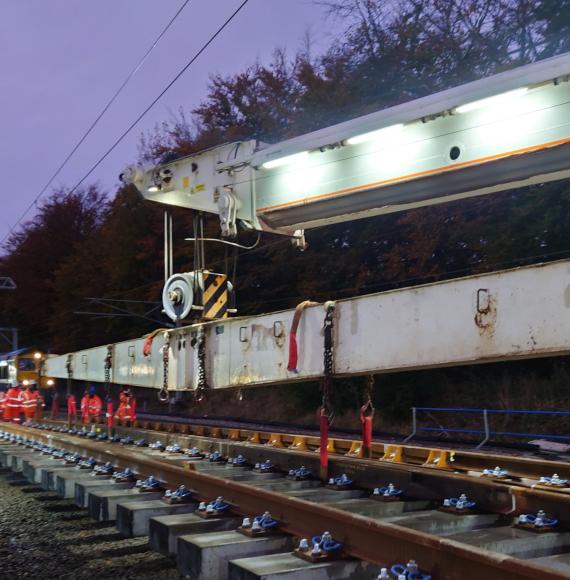
- 5.5 kilometres of new rail will be installed
- 3,200 new concrete sleepers will be laid, alongside the reuse of around 800 existing sleepers
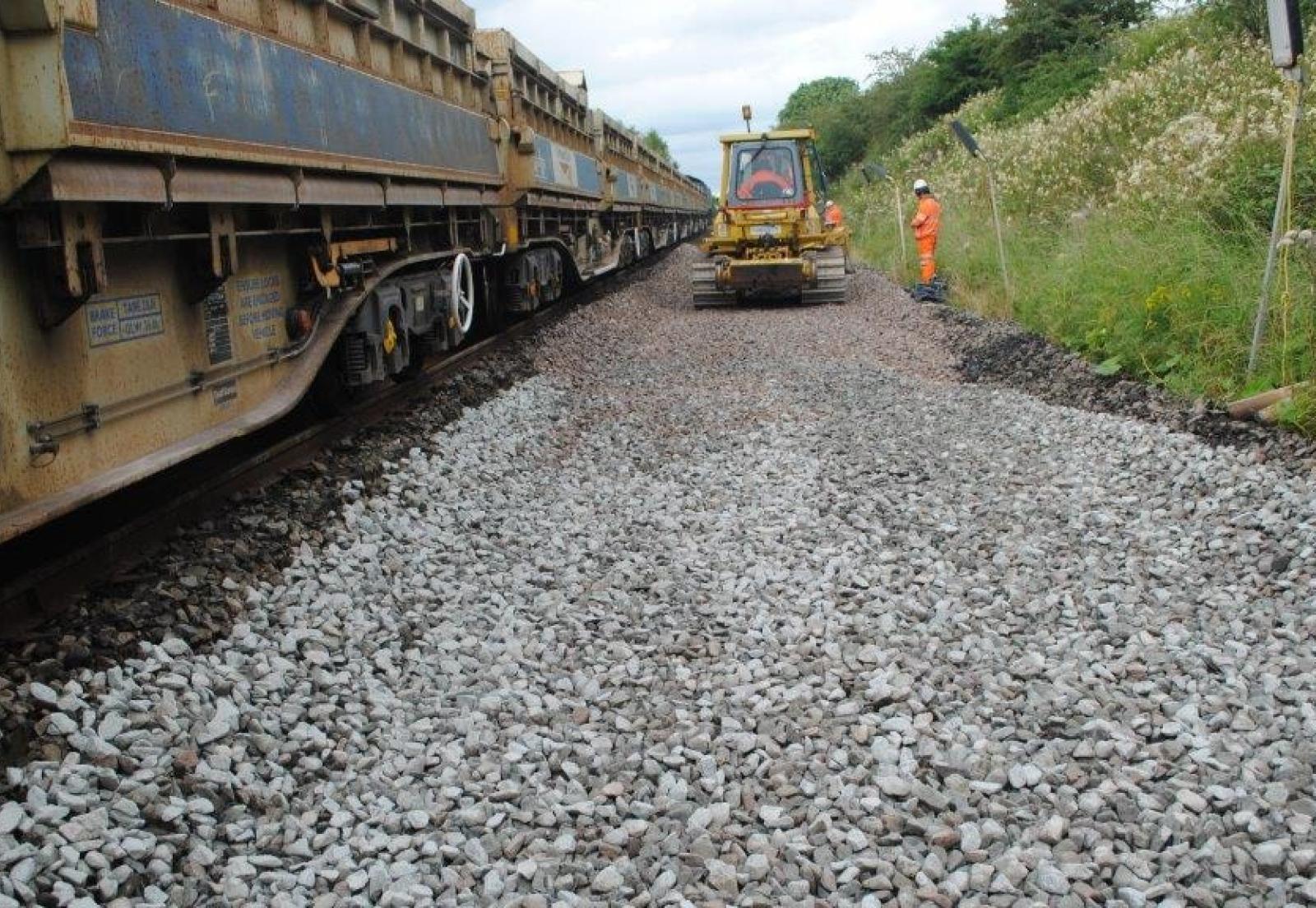
- 7,500 tonnes of ballast will be replaced
- 31 engineering trains will operate during the programme
- Two large rail cranes will be deployed on site
Such an intensive programme reflects the complexity of delivering upgrades within a live railway environment, particularly across a key regional artery.
Planned closure and passenger impact
To facilitate the safe delivery of this work, a full closure of the railway between Barrhead and Dumfries will be implemented for 16 days, running from Saturday 29 August to Monday 14 September.
During this period:
- No train services will operate between Barrhead and Dumfries or between Kilmarnock and Troon
- Rail replacement bus services will operate across affected routes
- Train services will continue between Glasgow Central and Barrhead, and between Dumfries and Carlisle
Passengers are being encouraged to plan ahead and check journeys in advance, as the temporary timetable changes will impact commuting and regional travel patterns.
Industry leadership perspective
Gerry McQuade, capital delivery director at Network Rail Scotland, emphasised the long-term benefits of the investment:
“This work is about strengthening a busy part of the railway so it can perform even better in the years ahead. By upgrading the track at Kilmarnock, we’re improving how trains move through the station and supporting a more consistent service for the communities it serves.
“Keeping the railway in good shape means continuing to make improvements that help services run as smoothly as possible. Although there will be some short term disruption, the aim is to deliver lasting benefits for the future.”
From an operations perspective, ScotRail is focused on minimising disruption and maintaining passenger confidence throughout the works.
Mark Ilderton, ScotRail Service Delivery Director, added:
“While this work will mean some temporary disruption, it is a vital investment in the long-term future of this important route.
“Our focus on helping customers travel with confidence throughout the works, with clear information available in advance and a robust rail replacement transport plan in place along the route.
“The upgrades at Kilmarnock will help improve the reliability of services between Glasgow, Ayrshire, Dumfries and Galloway, and deliver smoother journeys for customers.
“We’re grateful for our customers’ patience and understanding while Network Rail deliver this important upgrade.”
Strategic importance for the network
For rail professionals, the Kilmarnock upgrade represents a targeted intervention with high network value. By addressing track layout constraints at a critical node, Network Rail is unlocking incremental improvements that will cascade across the wider route—enhancing punctuality, reducing maintenance burden, and improving customer experience.
With continued focus across the UK rail sector on reliability, resilience, and performance, schemes like this demonstrate how targeted capital investment can deliver tangible benefits without requiring large-scale infrastructure expansion.
Image credit: Network Rail