
Network Rail has taken a major step forward in the use of advanced drone technology after securing approval from the UK Civil Aviation Authority (CAA) to operate drones beyond the operator’s line of sight (BVLOS).
Delivered in partnership with heliguy, the authorisation allows remotely operated drones to be deployed across Network Rail’s Western and Anglia routes, with initial operations focused on sites in Gloucester and Romford. The capability is designed to strengthen infrastructure monitoring, improve situational awareness, and enhance responses to incidents and security risks across the live railway.
Crucially, the drones will be operated by heliguy pilots from the company’s Remote Operations Command Centre in Newcastle, removing the need for on‑site drone pilots and reducing the requirement for staff to access the track environment.
A 16‑Month Collaboration to Unlock BVLOS Operations
The approval follows around 16 months of joint work between Network Rail and heliguy™, demonstrating that BVLOS drone operations can be carried out safely within complex rail corridors, including densely populated and operationally challenging environments.
The authorisation has been granted under the CAA’s UK Specific Operations Risk Assessment (SORA) framework, with approval for operations in an Atypical Air Environment (AAE) — a significant regulatory milestone for the rail sector.
Ken Durling, asset engineer (track renewals) for Network Rail’s Anglia route, said:
“Carrying out BVLOS operations in and around live rail infrastructure, particularly in complex and populated environments, is not something that happens quickly. This has been a sustained effort involving problem solving and close collaboration, and it shows what can be achieved when operational and regulatory expertise are brought together with a shared goal.”
Faster Decisions, Better Information, Less Disruption
From an operational perspective, the ability to access live aerial intelligence is expected to transform how teams respond to incidents and plan work.
Simon Gillibrand, operations director for Network Rail’s Western route, said:
“This is about giving our teams better, quicker access to information so they can make the right decisions on the ground and keep trains moving safely.
“In a busy operational railway, being able to assess infrastructure remotely will help us plan work more effectively, respond faster when issues arise, and ultimately keep disruption to a minimum for passengers and freight customers.”
The drones will provide live video, high‑resolution imagery and thermal data, supporting inspections, asset condition monitoring, and operational decision‑making during incidents.
Supporting Security and Crime Prevention
Beyond asset monitoring, the BVLOS capability also offers new tools for tackling trespass, cable theft and other criminal activity on the railway.
Richard Barke, route crime & security manager for the Anglia route, said:
“BVLOS capability gives us a real opportunity to close the gap between operations and infrastructure teams. Being able to see what’s happening on the ground in real time will support faster, more informed responses to incidents. While this is still an emerging capability, the potential to improve service resilience and recovery is clear.”
Drone‑in‑a‑Box Technology Removes ‘Boots‑on‑Ballast’
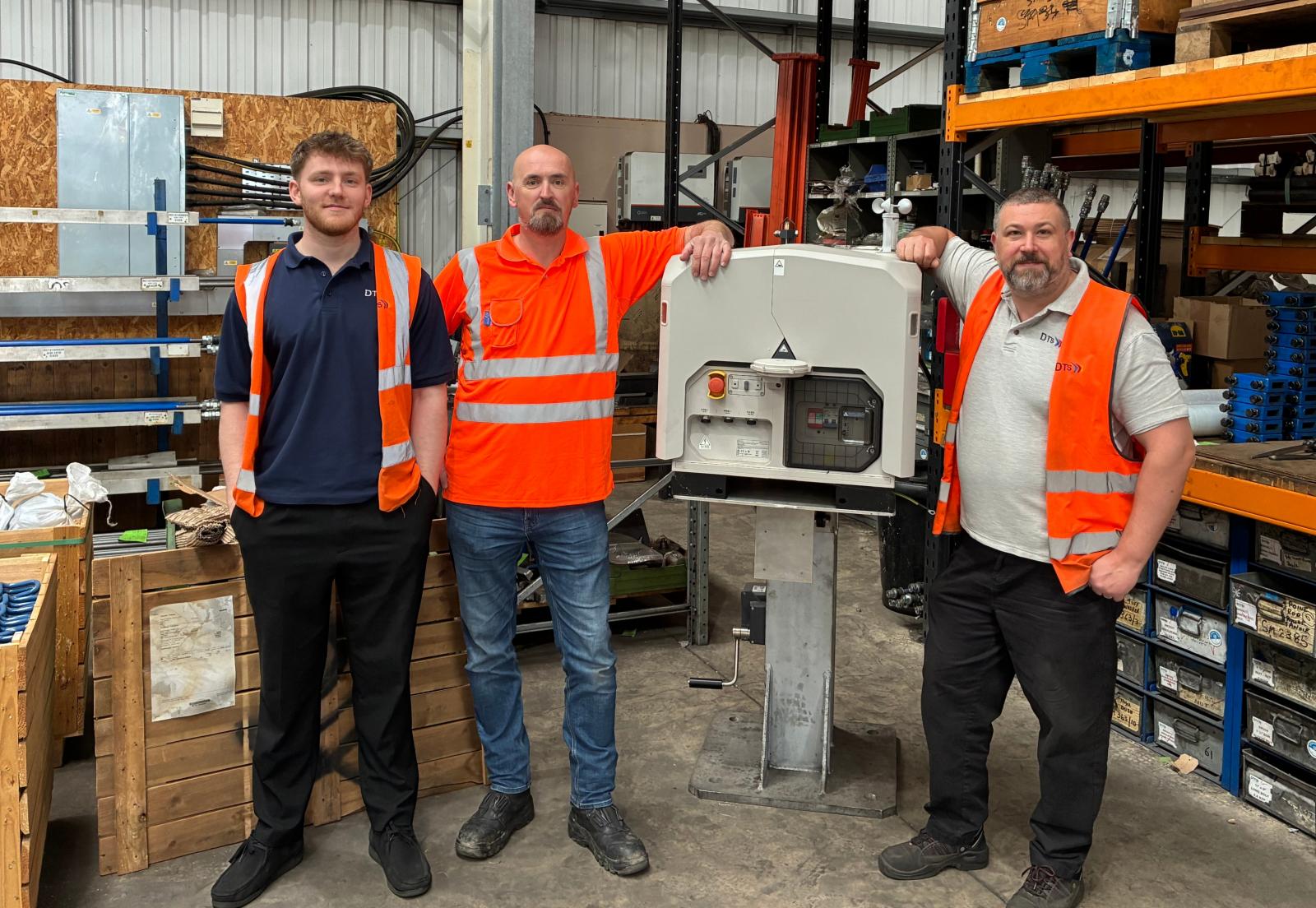
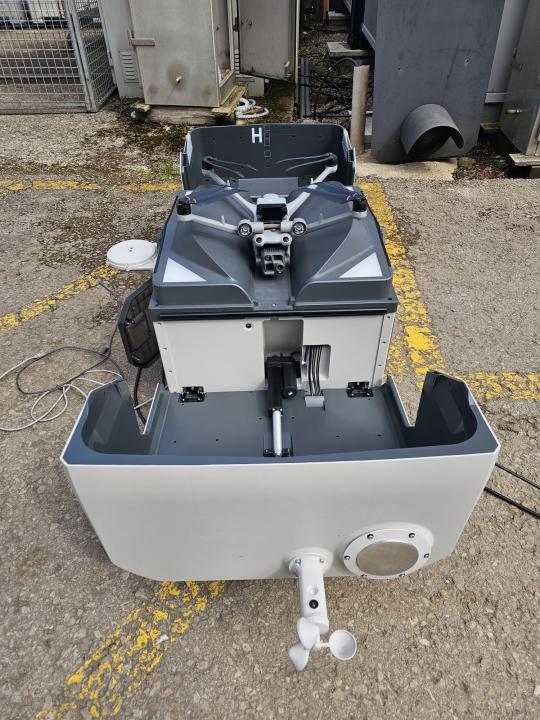
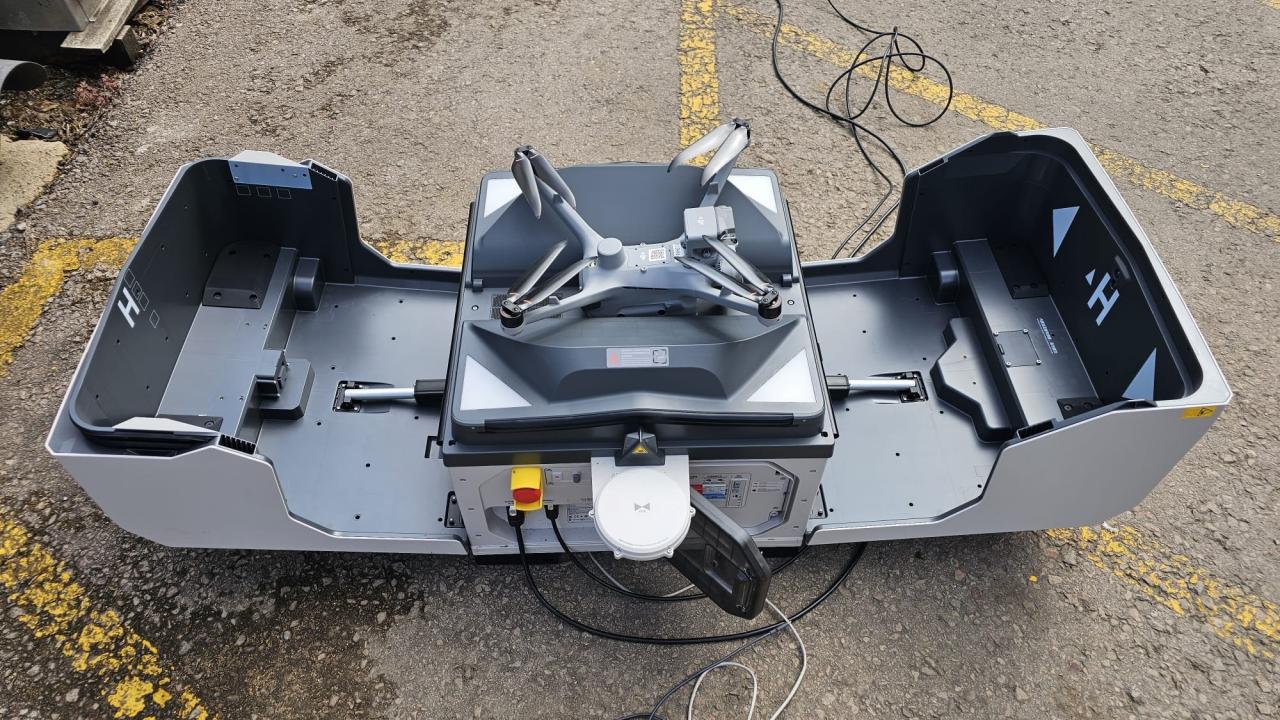
The system will use automated drone‑in‑a‑box technology, enabling routine and repeatable flights during the working week without requiring personnel on site. This approach significantly reduces risk by limiting the need for staff to access the track.
Liam Barrington, operations drone project manager for the Western route, said:
"This approval is a game changer for Network Rail. Having our SORA application for an Atypical Air Environment (AAE) accepted means a huge step forward for our business. It will transform how our operational and route crime teams work, giving us greater control and insight across our entire network and removing the need for a boots-on-ballast approach. It has been truly inspiring to see such deep collaboration, as both teams overcame significant challenges together, and it’s amazing to see two routes come together to achieve this goal."
A Blueprint for Wider Rollout Across the Network
While the deployments at Romford and Gloucester are initially focused on trial activity, the learning is expected to inform wider rollout across the rail network.
The project also provides a real‑world example of how advanced drone operations can be safely integrated into critical national infrastructure, setting a precedent not only for rail, but for other infrastructure sectors across the UK.
Image credits: Network Rail