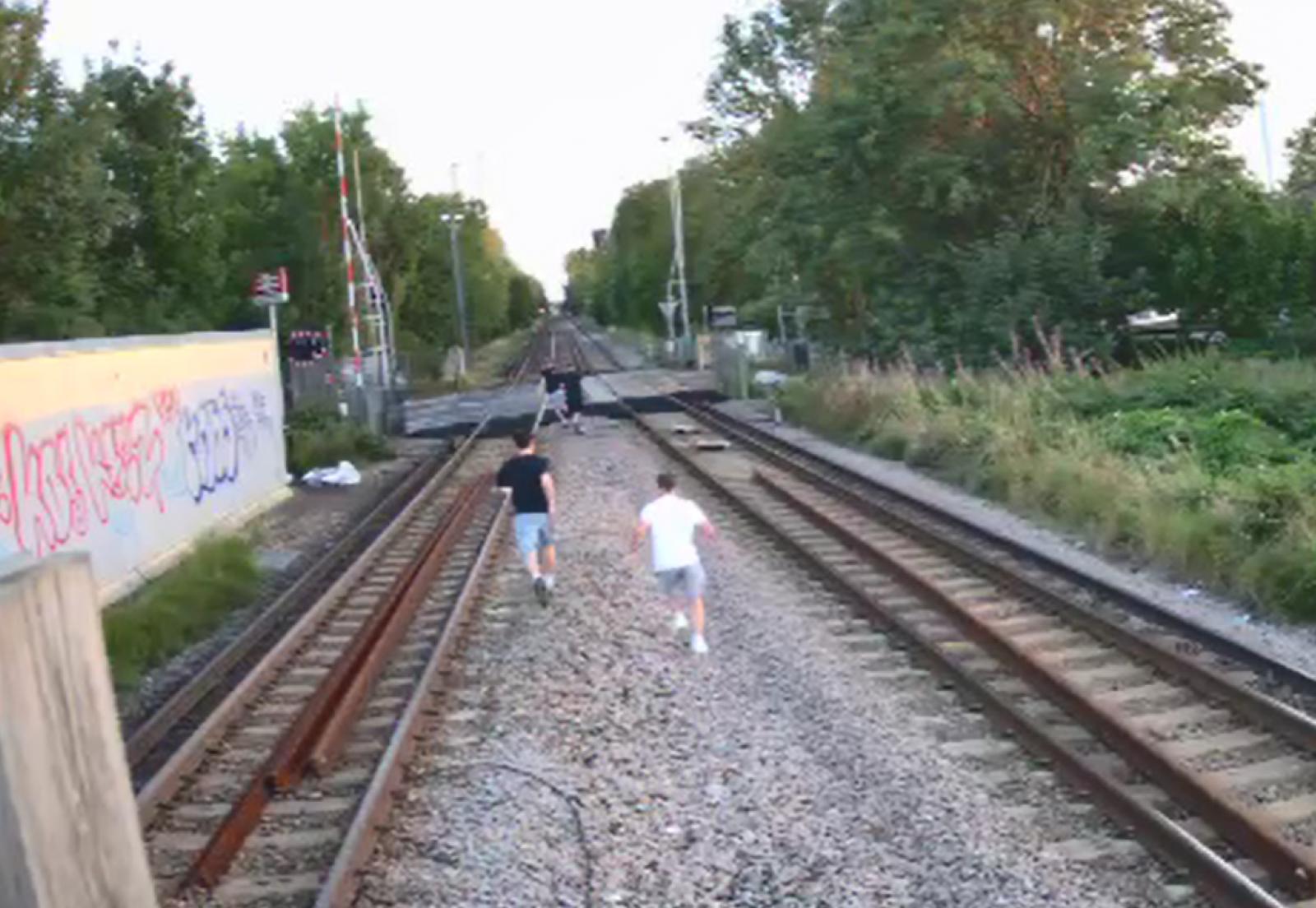

New figures reveal railway crime, including cable theft, vandalism and deliberate obstruction, caused more than 3,300 hours of delays and cost the UK rail industry over £10 million during 2025/26, prompting a nationwide enforcement campaign.
The rail industry and British Transport Police have launched a new campaign aimed at tackling trespassers who commit crimes on the railway network after fresh data highlighted the growing impact of cable theft, vandalism and obstruction offences.
According to the latest figures, trespass-related criminal activity resulted in more than 3,300 hours of delays across Britain's railways during 2025/26. The disruption, equivalent to almost five months of cumulative passenger waiting time, generated over £10 million in delay-related costs for the industry.
Railway leaders warn that these offences are far from victimless, affecting passengers, freight operators, railway employees and local communities while placing additional strain on already busy networks.
Cable theft remains one of the most damaging forms of railway crime. During 2025/26, thefts caused more than 2,100 hours of delays, representing an 84% increase compared with the previous year.
The financial impact has risen even more sharply, with delay costs reaching nearly £6.8 million, more than double the previous year's total, representing a 103% increase.
Stolen cables can severely damage signalling equipment and overhead line infrastructure, often requiring extensive repairs before services can resume safely. The resulting disruption can affect both passenger and freight operations over large sections of the network.
Alongside cable theft, incidents involving vandalism and deliberate obstruction of the railway generated more than 1,200 hours of delays and over £4 million in associated costs.
Some offences involved individuals deliberately placing debris and even sections of railway track on operational lines, creating serious safety risks and significant disruption to rail services.
The latest initiative forms part of a strengthened partnership between Network Rail, BTP and wider industry partners. Increased collaboration is helping investigators better understand crime patterns, identify offenders more quickly and reduce the operational impact of incidents.
As part of this enhanced approach, organisations will focus on improving evidence collection processes and increasing the use of victim impact statements to demonstrate the real-world consequences of railway crime during prosecutions.
The newly launched 'Crime with Consequences' campaign aims to deter potential offenders by highlighting the severe penalties associated with railway crime, including substantial fines and custodial sentences.

Network Rail has invested in a range of technologies and preventative measures designed to combat cable theft and trespass-related crime.
These initiatives include the deployment of concealed "trespass beads" within railway cables across the North West, enabling investigators to trace stolen materials and identify offenders. Additional funding has also supported increased patrols along the East Coast Main Line.
Across the wider network, drones, sensors and smart CCTV systems are providing more effective surveillance capabilities, helping authorities detect criminal activity and secure evidence more rapidly.
Anit Chandarana, Director for System Operator at Network Rail, said:
"Behind every one of these delays caused by railway crime is someone not being able to get home to their family, another person late to a job interview, or food stuck on its way to a supermarket shelf. Cable theft, vandalism and obstruction aren't victimless crimes, they're crimes against the millions of people who rely on the rail network every day.
"The rail industry is working more closely than ever with the British Transport Police, using new technology, from concealed tracking devices to smart CCTV, to detect offences more quickly and support investigations. This campaign is a clear warning that anyone who commits crime on the railway risks facing serious consequences for their actions."
Superintendent Darren Malpas, of British Transport Police, said:
"Cable theft and associated railway crimes like trespass aren’t victimless offences. They put lives at risk, cause significant disruption to passengers and freight services, and cost the rail industry millions of pounds every year, which ultimately ends up costing the public more.
“This important campaign highlights both the dangers and consequences of criminal activity on the rail network. Those involved must understand that railway infrastructure is extremely dangerous. Anyone trespassing on the railway or attempting to steal cable risks serious injury or death. Through closer collaboration, improved intelligence, new technology and stronger evidence gathering, we’re working tirelessly to identify offenders, bring them to justice and protect the communities and passengers who rely on the railway every day."
The campaign forms part of the rail industry's wider No Second Chances safety programme, which seeks to reduce trespass incidents and improve safety across the national rail network.
Image credit: Network Rail