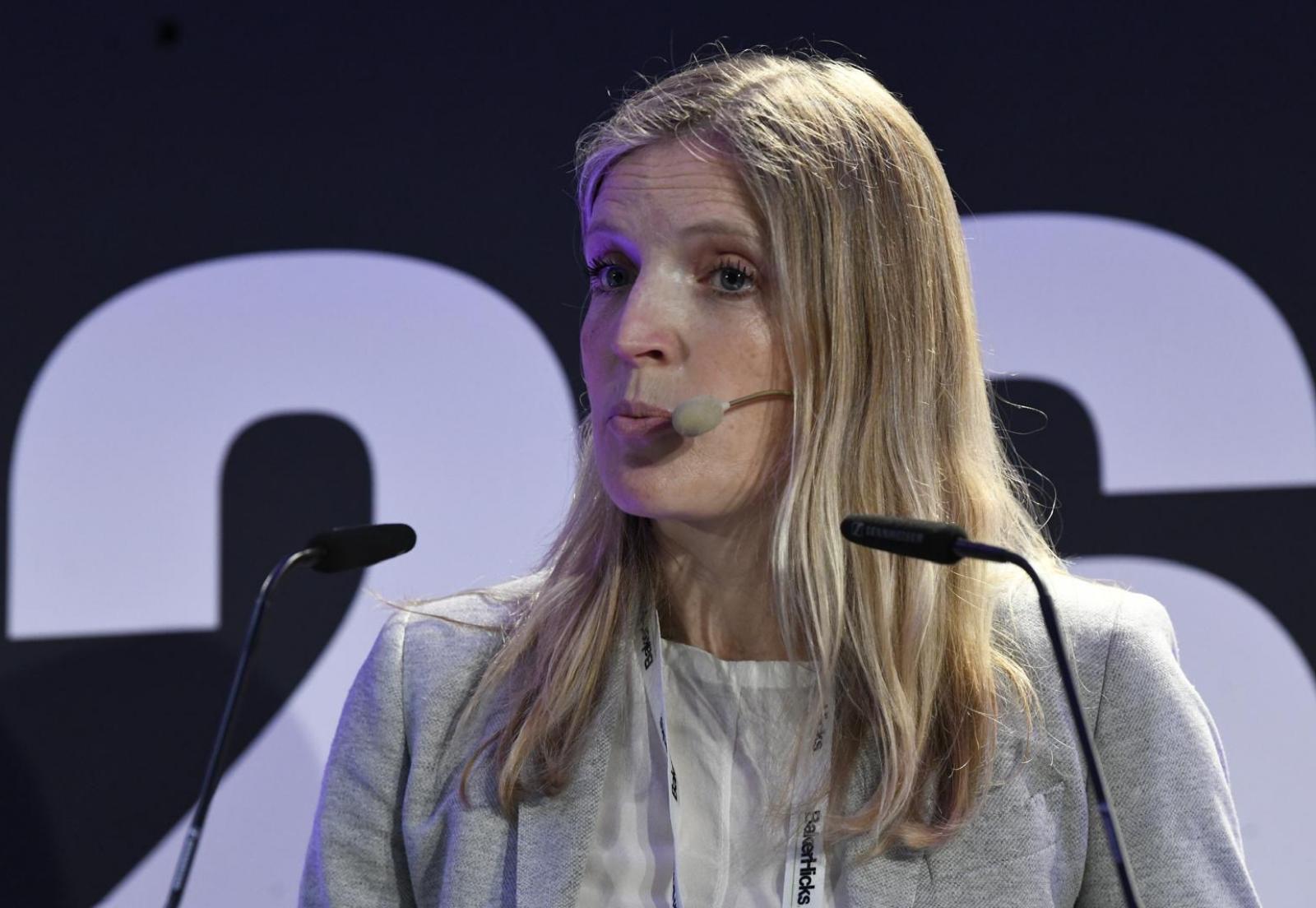
Scotland’s railway is at a pivotal moment, balancing long-term economic importance with the pressures of a rapidly evolving transport landscape. Speaking at TransCityRail Scotland, Katie Vollbracht delivered a forward-looking keynote that explored how the network must adapt to remain central to the nation’s connectivity, sustainability ambitions, and community wellbeing.
Drawing on extensive experience in overseeing major rail programmes, Katie outlined both the opportunities and constraints shaping the sector. Her message was clear: the railway’s success will depend on sustained investment, deeper integration with other modes, and a relentless focus on accessibility and decarbonisation.
Katie opened by reinforcing the railway’s enduring role in everyday life across Scotland. Far from being a legacy mode, it continues to provide essential links between people and opportunities – supporting access to employment, education, healthcare and social engagement.
At the same time, rail’s environmental credentials position it as a cornerstone of the nation’s transport strategy. With just 1% of total transport emissions attributed to rail, it offers a compelling pathway for modal shift as policymakers push towards net zero targets.
However, she acknowledged that the context is becoming increasingly complex. Wider global uncertainty, fiscal constraints, and changing passenger behaviours are all influencing how rail must evolve to stay relevant.
A key theme of the keynote was the importance of maintaining a stable and credible investment pipeline. Katie highlighted how long-term planning has helped secure confidence from the Scottish Government, creating a foundation for future improvements across the network.
This investment programme is multifaceted. Alongside the replacement of ageing rolling stock, there is a strong emphasis on decarbonisation – ensuring fleets are not only modern but also aligned with environmental targets. Passengers, in turn, stand to benefit from improved reliability, comfort and overall journey experience.
Crucially, Katie stressed that investment decisions must be driven by a deep understanding of local transport needs. By aligning infrastructure and services with real-world demand, the railway can deliver tangible value to communities across Scotland.
Another major focus was the need to create a truly integrated transport system. Katie argued that rail cannot operate in isolation; instead, it must be part of a wider ecosystem that enables seamless end-to-end journeys.
Achieving this requires closer collaboration between rail operators, local authorities and private sector partners. Whether through better timetable alignment, improved interchange facilities or integrated ticketing solutions, connectivity must be enhanced at every stage of the passenger journey.
This place-based approach ensures the railway supports, rather than competes with, the communities it serves – an increasingly important factor in future transport planning.
Katie also placed strong emphasis on accessibility, highlighting it as both a social obligation and an operational priority. With demographic trends pointing towards an ageing population – and more people formally registering as disabled—the need for inclusive design is growing rapidly.
From station upgrades to rolling stock improvements, the aim is to remove barriers and create an environment where all users can travel with confidence. This encompasses everything from step-free access and clearer wayfinding to more intuitive ticketing systems and onboard facilities.
In doing so, the railway can ensure it remains a viable and welcoming option for all segments of society.
The keynote concluded with a focus on decarbonisation, one of the defining challenges facing the rail sector. As more passengers shift towards rail, its potential to reduce overall transport emissions becomes increasingly significant.
Katie outlined ongoing efforts to transition fleets and operations towards more sustainable models, supported by targeted investment and innovation. These initiatives will play a critical role in meeting Scotland’s climate commitments while maintaining operational resilience.
Katie’s address offered a comprehensive overview of the strategic direction for Scotland’s railway, underlining the need for collaboration at every level. From government backing and industry partnerships to community engagement, delivering a modern, efficient and sustainable railway will require alignment across the board.
For rail professionals and stakeholders attending TransCityRail Scotland, the message was both clear and pragmatic: the challenges are substantial, but so too are the opportunities for those willing to adapt and work together.