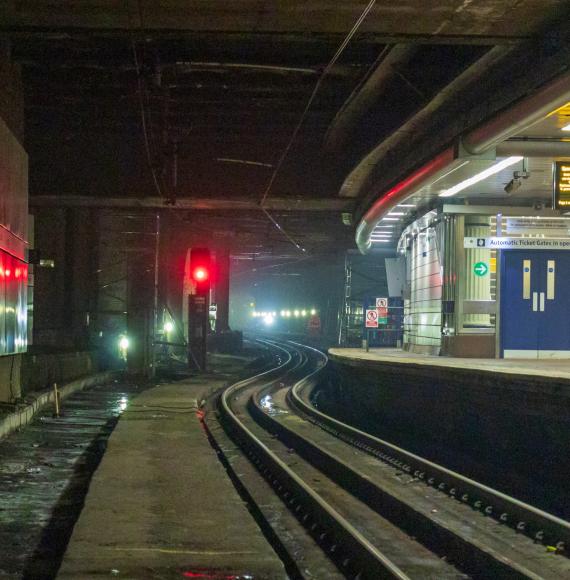
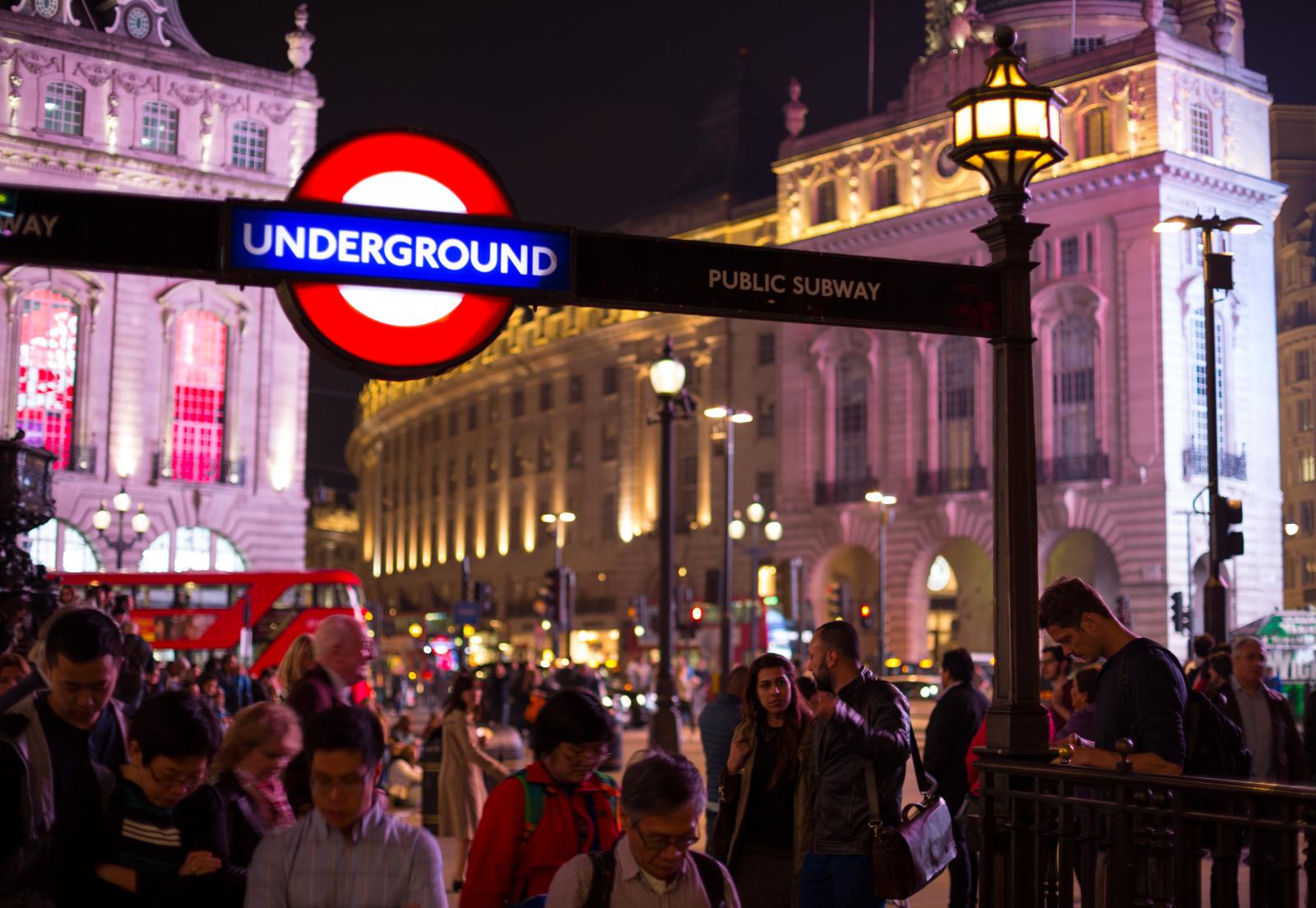

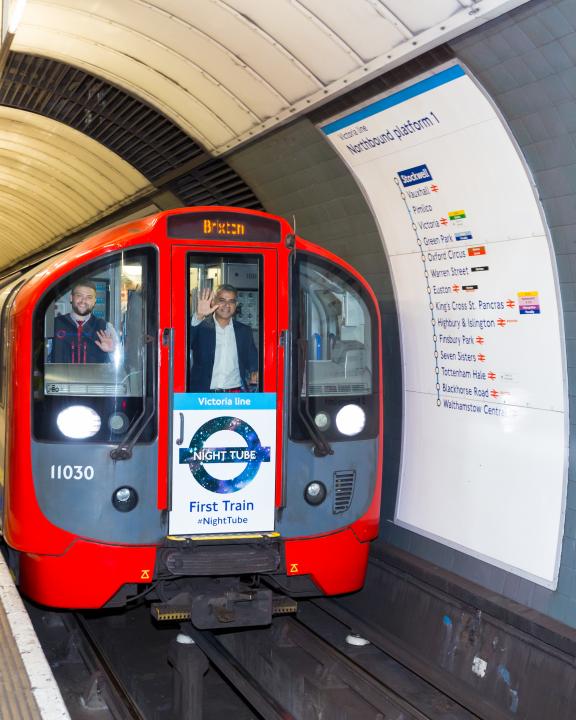
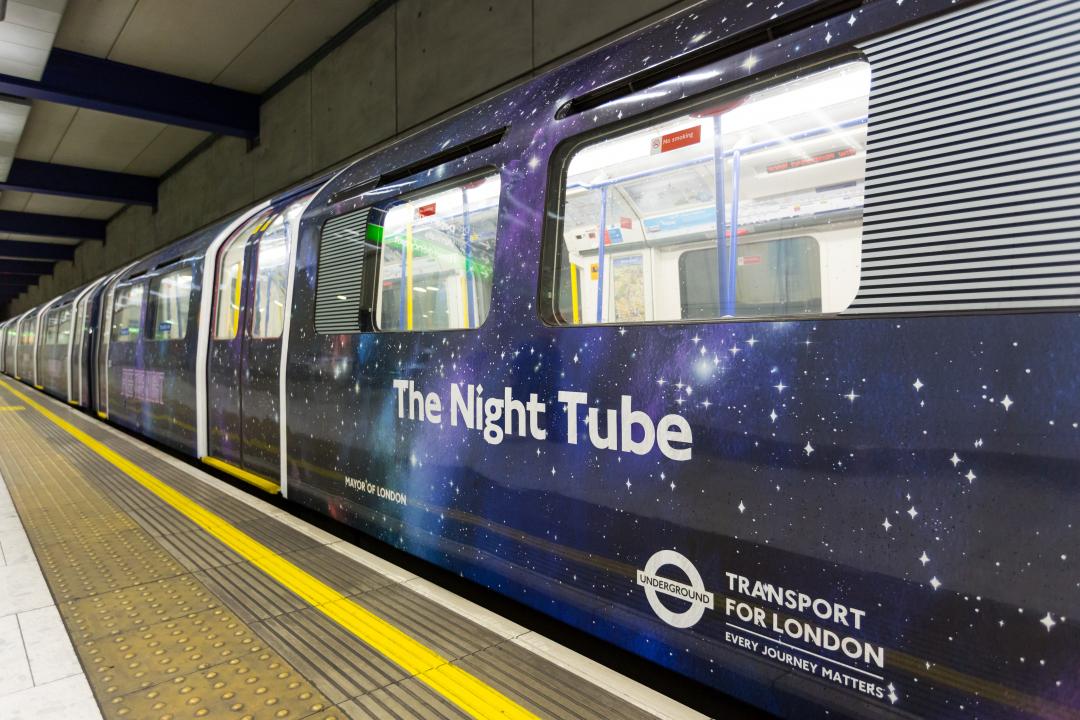
Transport for London (TfL) and the Mayor of London are celebrating a major milestone as the Night Tube marks its tenth anniversary, having carried more than 67 million passengers since services first launched on 19 August 2016.
Over the past decade, the Night Tube and Night Overground have become a cornerstone of London's transport network, supporting the capital's £139 billion night-time economy while providing safe and reliable travel around the clock. The combined total of 67 million journeys is equivalent to filling Wembley Stadium more than 744 times.
The introduction of overnight rail services transformed London's connectivity, making it easier for passengers to access employment, entertainment, hospitality and cultural venues across the city. More than 50,000 journeys were recorded on the first night of operation, signalling immediate demand for late-night Underground services.
Today, demand continues to grow. TfL reports an average of more than 81,000 Night Tube journeys each night, with Saturdays regularly outperforming Fridays. The service has also become a vital enabler of major events, both in London and nationally.
One of the busiest nights on record outside New Year's Eve occurred on 11 July, when England's extra-time victory over Norway in the Men's FIFA World Cup quarter-final generated an estimated 170,000 Night Tube journeys, more than double the average Saturday evening figure.
Seasonal celebrations and major sporting events continue to drive passenger numbers. Halloween, which fell on a Friday in 2025, generated an estimated 123,000 journeys, more than twice the average Friday night. The first weekend of December is also consistently among the busiest periods for the Night Tube, driven by festive activities, major boxing events and late-night music festivals.
Beyond leisure travel, the Night Tube plays a critical role in supporting London's workforce. Around 1.3 million people work through the night across sectors including healthcare, transport, hospitality, culture and entertainment. Overnight services help these workers travel efficiently while supporting the businesses that keep the capital operating 24 hours a day.
The network has also delivered significant journey time savings. Average overnight travel times have been reduced by around 20 minutes, while some journeys have been cut by more than an hour. These improvements have increased accessibility to London's cultural and hospitality offerings, encouraging greater investment in the evening and night-time economy.
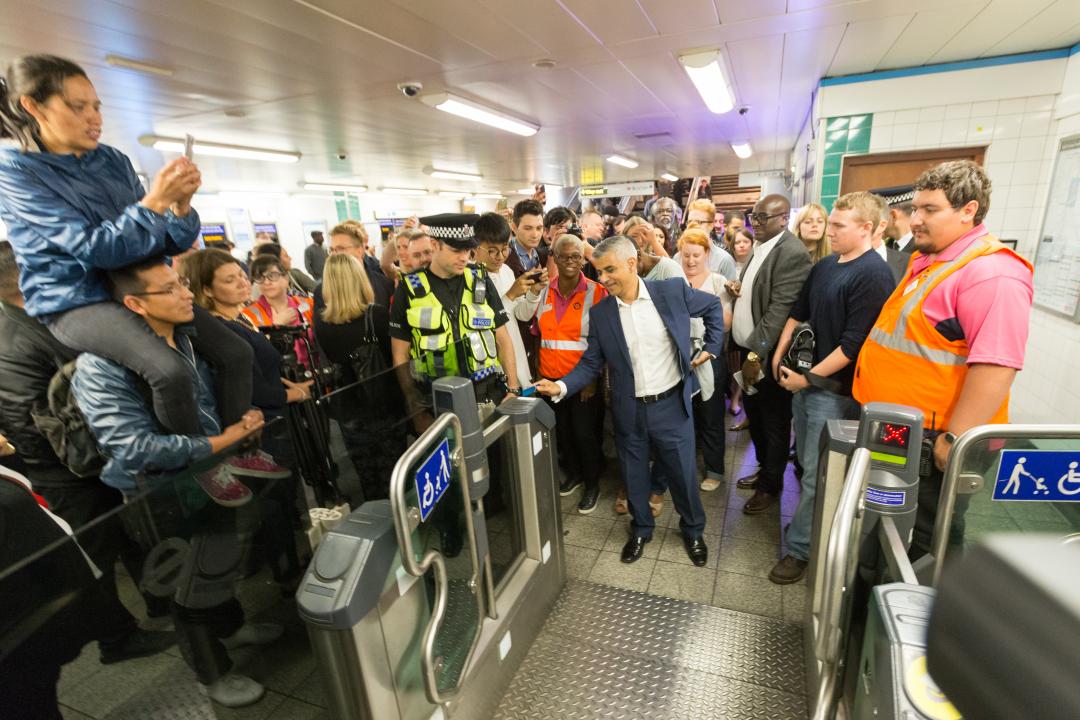
The Mayor of London, Sadiq Khan, said:
"Travelling on the first-ever Night Tube is one of my favourite memories as Mayor. Through a decade of late nights and early starts, airport journeys and epic trips, morning shifts and nights out that go on for as long as you like, the Night Tube has become a defining feature of London as a world-leading 24/7 city.
"Helping people travel safely and affordably at all hours provides a vital boost for our night-time economy, supporting local businesses across the capital and keeping London moving around the clock. With more than 67 million journeys clocked up already and many more to come, the Night Tube gives Londoners and visitors even more reasons to get out and enjoy everything our great city has to offer.
"I’m incredibly proud that the capital is home to this world-leading service and I look forward to seeing the Night Tube continue to unlock economic benefits and open up new opportunities as we build a better London for everyone."
Andy Lord, London's Transport Commissioner, said:
"The Night Tube has become much more than a transport service. For millions of people, it is a vital connection to work, leisure and home, while supporting businesses, venues and London's world-leading night-time economy, which attracts visitors from around the world. Behind every Night Tube journey is someone getting to or from work, returning home safely, or making the most of everything the capital has to offer after dark. The Night Tube also supports London's ambitions to grow sustainably by encouraging public transport use and reducing reliance on private car journeys.
"As London continues to grow and adapt, Night Tube and Night Overground remain central to the city's future, helping people travel when they need to, supporting businesses to thrive and ensuring the capital remains open day and night."
Image credit: TfL