
Vossloh is set to supply concrete sleepers to Norway’s national rail network in a major long‑term agreement that will significantly cut greenhouse gas emissions. The move sees the company adopt cement produced using CO₂‑capture technology—reducing production‑related emissions by more than 40% compared with the sleepers used previously.
The framework agreement, signed between Bane NOR and Sateba Norway, a Vossloh subsidiary, will run for up to eight years. It covers the delivery of up to three million sleepers, with the first two years valued at around €50 million. Environmental performance sat alongside quality and price as a key factor in awarding the contract.
“This is a major and important contract for Bane NOR,” says Agnete Johnsgaard-Lewis, CEO of Bane NOR.
“Concrete sleepers are not only an indispensable product for us, but we are also particularly pleased that Sateba can reduce greenhouse gas emissions in production.”
The partnership comes shortly after Vossloh completed its acquisition of Sateba, one of Europe’s leading concrete sleeper manufacturers. According to Vossloh, the agreement demonstrates strong alignment between the companies following the integration.
“The contract with Bane NOR shows how well our companies fit together,” says Oliver Schuster, CEO of Vossloh AG. “We stand for the highest quality and sustainability and are delighted to be able to support Bane NOR in achieving its ambitious climate goals.”
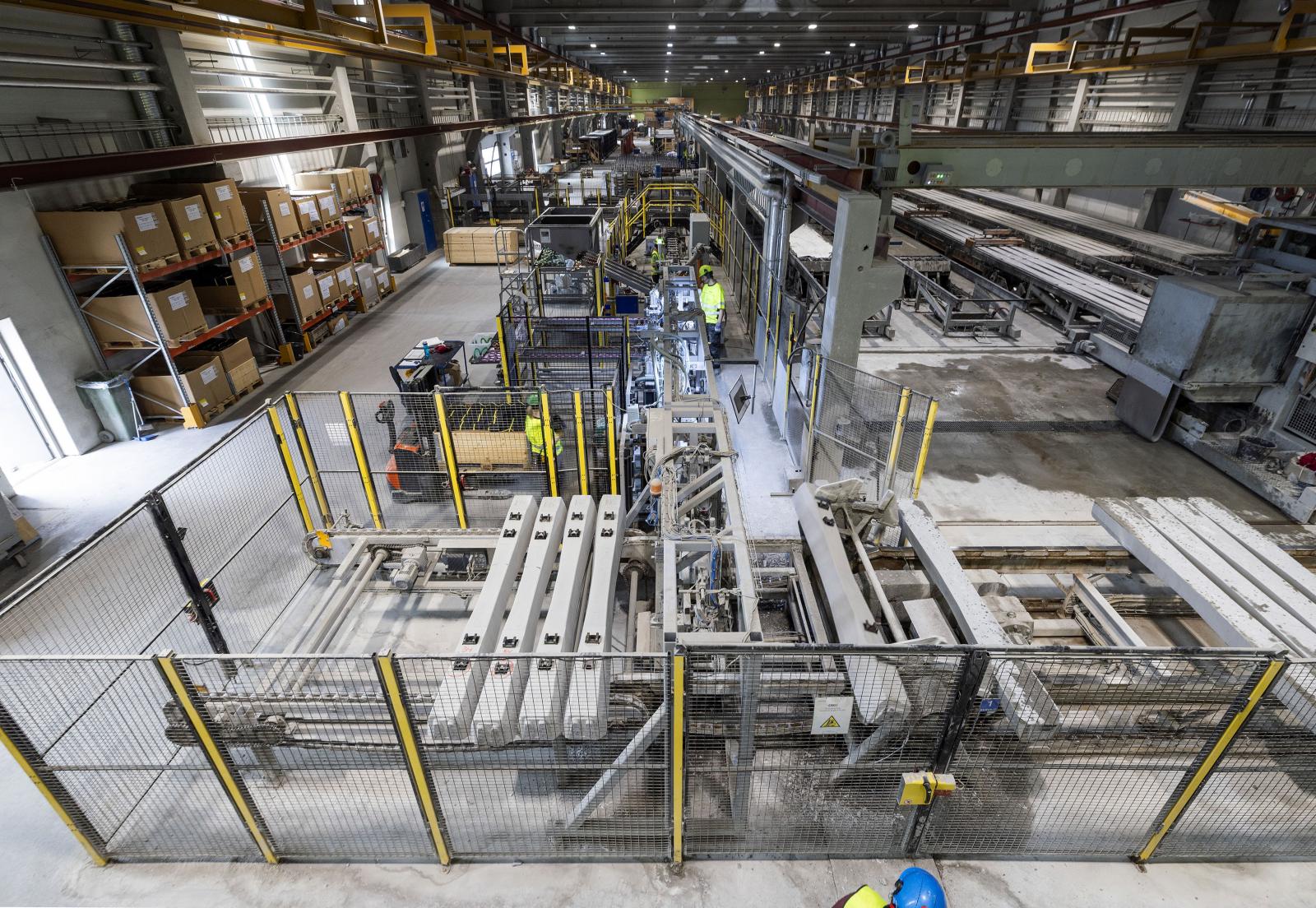
The sleepers will be produced at Sateba’s Hønefoss plant in Norway. Heidelberg Materials will supply the cement, which incorporates a pioneering carbon‑capture process that cuts CO₂ emissions by more than 40% compared with traditional methods.
For health‑sector leaders in the UK keeping an eye on sustainability trends beyond healthcare, this contract highlights how major infrastructure providers are embedding low‑carbon technologies into core operations. It also reflects the growing cross‑industry alignment around net zero, innovation and responsible procurement—drivers that increasingly shape public‑sector expectations in the UK as well.
Image credit: Vossioh