
Vossloh has officially commissioned a new turnout manufacturing plant in Sannahed, central Sweden, marking a major technological leap in the production of railway switches and crossings.
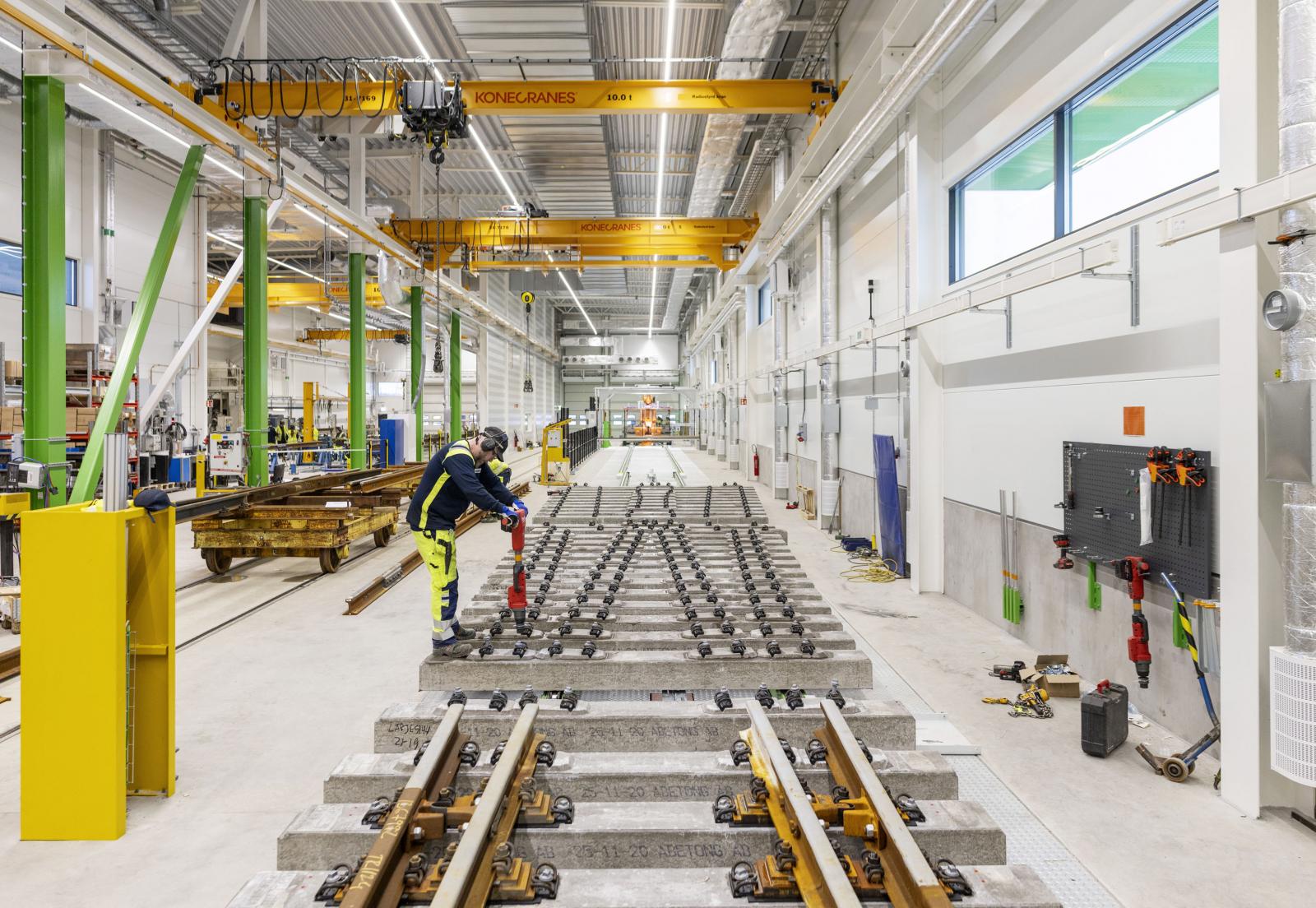
The facility is the first new turnout factory built in Sweden in more than 100 years and is also a first for Vossloh globally. For the first time, the company is deploying a fully automated assembly line, including the robotic installation of sleepers, fundamentally changing how turnouts are manufactured.
Once fully ramped up, the Sannahed plant will be capable of producing up to 900 turnouts per year, significantly strengthening industrial capacity for the Swedish rail network and neighbouring Nordic markets.
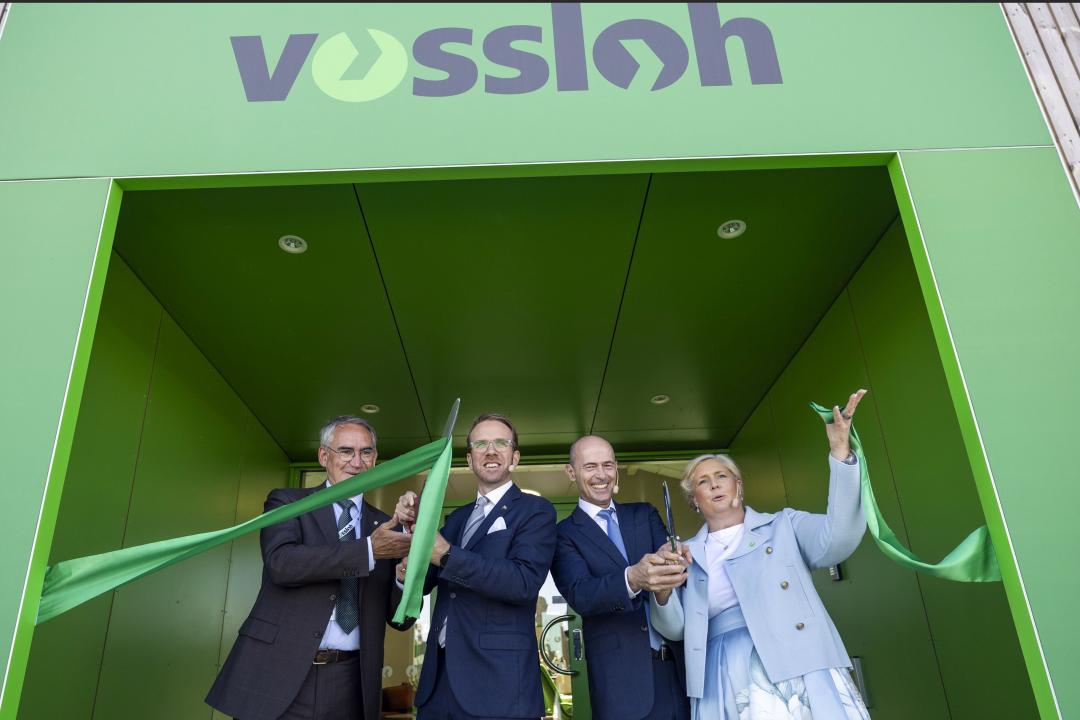
Speaking at the inauguration on Wednesday, Sweden’s Minister for Infrastructure highlighted the wider national importance of the project.
“Sweden’s first new switch factory in over a century is a significant milestone for the Swedish railway system,” said Swedish Minister for Infrastructure Andreas Carlson at the inauguration on Wednesday. “It is a good example of collaboration in the railway industry and absolutely essential for eliminating bottlenecks, strengthening resilience, and continuing the work to clear the maintenance backlog that has built up over a long period of time.”
The new facility is closely aligned with Sweden’s efforts to modernise and stabilise its rail infrastructure after years of under‑investment in maintenance.
Roberto Maiorana, Director General of the Swedish Transport Administration, underlined the strategic value of the plant for long‑term network performance.
“Today we are inaugurating more than just a new production facility for railway turnouts,” said Roberto Maiorana, Director General of Swedish Transport Administration Trafikverket. “This is a key part of the industrial capacity needed for Sweden to catch up on the backlog of railway maintenance.”
Automated Production Line Sets New Benchmark
Turnouts at Sannahed are assembled along a 150‑metre conveyor‑based production line, passing through five consecutive workstations. A robotic arm installs the sleepers before the turnout is built up step‑by‑step as it moves through the hall.
The approach replaces many traditionally manual processes, delivering greater consistency, improved quality control and higher throughput, while also addressing skills shortages by reducing physically demanding tasks.
Vossloh says the plant represents a new industrial benchmark for turnout production.
“Sannahed sets new standards in automation, quality, and capacity,” said Oliver Schuster, CEO of Vossloh AG. “The new plant combines industrial turnout production with digital lifecycle management, for example through the use of digital twins of the turnouts.”
Digital twins will enable better asset tracking, maintenance planning and whole‑life cost management — a growing priority for infrastructure managers across Europe, including the UK.
Skills, Training and Strategic Location
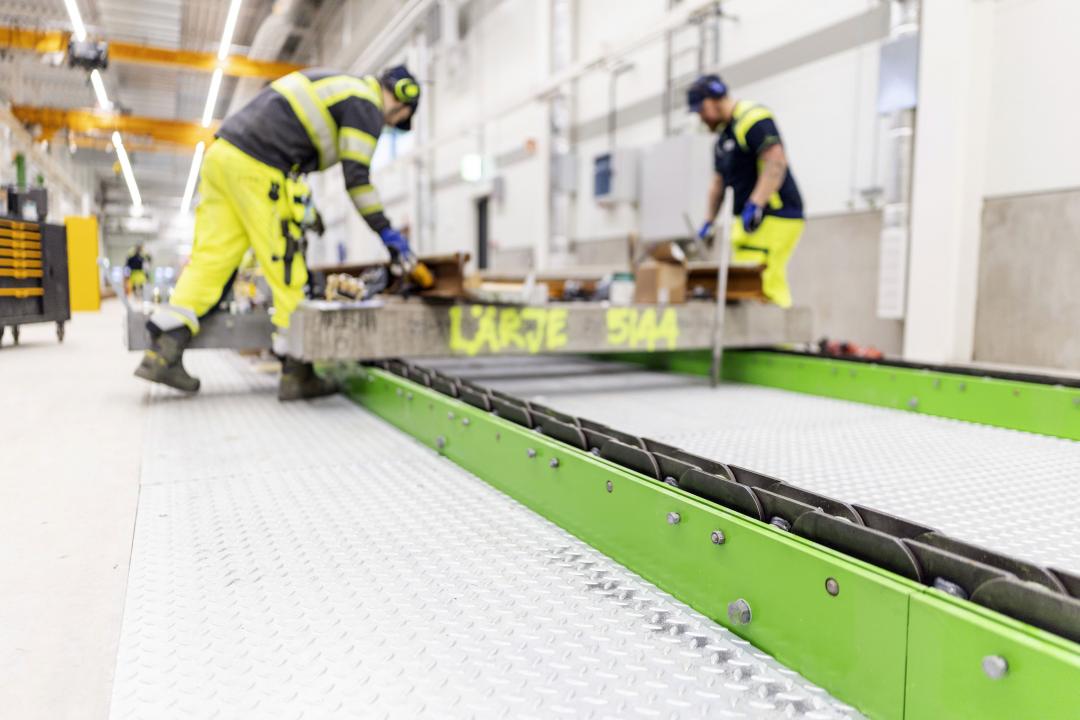
In addition to serial production, the Sannahed site includes a dedicated hall for special‑purpose manufacturing, as well as space reserved for the training and further education of skilled workers, supporting long‑term workforce development.
The location of the plant is equally strategic. Sannahed sits between Kumla and Hallsberg, at Sweden’s most important rail hub, allowing efficient distribution across the national network.
The new factory replaces Vossloh’s long‑standing production site in Örebro, where turnouts for Sweden and the wider Nordic region had been manufactured continuously since 1914.
More than 200 guests from business and politics, including a strong international contingent, attended the opening ceremony — underlining the broader European interest in modernising turnout production at scale.
For the rail sector, the Sannahed plant offers a clear signal of where turnout manufacturing is heading: automation‑led, digitally enabled and built around lifecycle performance rather than just initial installation.
Image credits: Kasper Dudzik & Vossloh