
A new report has strengthened the case for major rail infrastructure upgrades around Ely, warning that failure to act risks constraining economic growth across Cambridgeshire and the wider East of England.
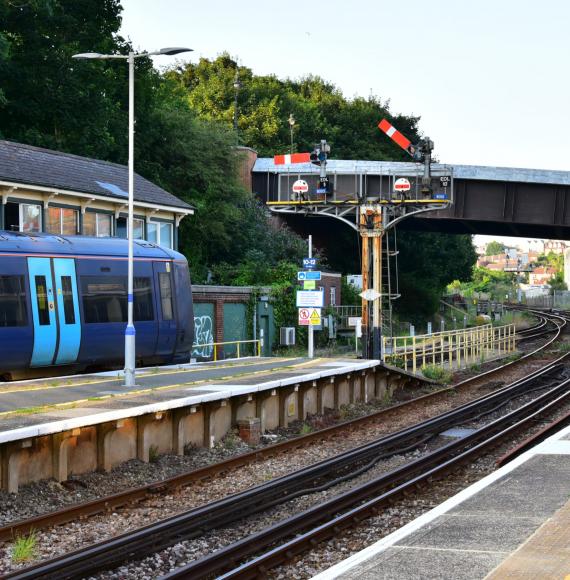
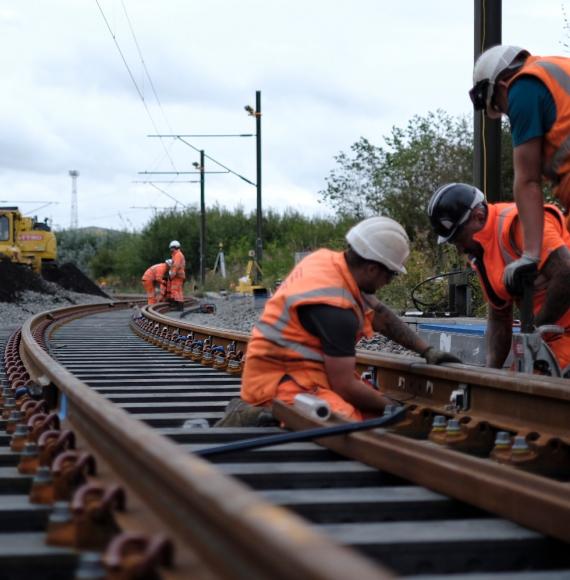
Commissioned by the Combined Authority, the report—titled The Growth Intersection—positions the Ely Area Capacity Enhancement (EACE) programme as a critical intervention to unlock both regional productivity and housing delivery. At its core is a £466 million package of works designed to address long-standing capacity constraints at Ely North Junction, where five rail lines converge on infrastructure dating back to the Victorian era.
Capacity Bottleneck Hindering Growth
Ely remains one of the most constrained sections of the UK rail network, limiting both passenger and freight movement. The report sets out that without intervention, the bottleneck will increasingly restrict the region’s ability to meet rising demand—particularly as economic expansion accelerates in key employment hubs.
Forecast growth at the Cambridge Biomedical Campus and the Wellcome Genome Campus alone is expected to generate around 32,000 new roles over the next decade. However, accommodating this workforce within Cambridge itself is not feasible, increasing reliance on regional connectivity to distribute employment access more effectively.
Upgrading Ely’s rail infrastructure is therefore seen as essential to widening access to these opportunities, enabling better commuting options across Cambridgeshire, Norfolk and Suffolk.
Strong Economic Case for Investment
The Combined Authority’s analysis indicates a compelling return on investment, with the scheme projected to deliver £5 in economic benefit for every £1 spent. Beyond direct transport improvements, the report highlights wider impacts, including:
- Increased rail capacity for both passenger and freight services
- Faster, more frequent services across the East of England
- Enhanced connectivity along the Oxford-Cambridge corridor
- Improved access to London, the Midlands and the North via Peterborough
- Reduced road congestion, with an estimated 98,000 HGV movements removed annually from the A14
The benefits for freight are particularly significant, with improved rail access from the Port of Felixstowe expected to strengthen supply chain efficiency and reduce reliance on road haulage.
Strategic Importance for Regional Development
The EACE scheme is described as a “lynchpin” project, unlocking growth not only in transport but also in housing and business investment across the region. By improving accessibility, the upgrades are expected to support more balanced economic development and reduce pressure on Cambridge’s housing market.
Local leaders have stressed the urgency of progressing the project, particularly given the scale of anticipated growth.
Mayor of Cambridgeshire and Peteborough Paul Bristow said:
“This new report once again highlights the exceptional potential of opening up this new gateway to the whole East of England economy."
"Better, more frequent trains are good for passengers, good for jobs and opportunity, good for business, good for new housing and good for growth. That’s the case we are making in this new report.
Returning £5 to our economy for every £1 spent, this investment will repay itself many times over and help deliver my ambition to triple the size of our local economy. We’re working on it, making the case to Government and not letting up.”
Next Steps and Funding Strategy
With funding yet to be secured, the Combined Authority and its partners are actively exploring alternative financing options while engaging central government to advance the scheme. A dedicated strategic taskforce is also being established to help build momentum and ensure the project remains a national infrastructure priority.
For industry stakeholders—including operators, freight providers, and infrastructure specialists—the Ely upgrade represents a significant opportunity to address one of the UK rail network’s most persistent constraints while supporting sustainable long-term growth.
Image credit: Cambridge and Peterborough Combined Authority