
Passengers travelling between Bedford and London are being urged to plan ahead as a significant programme of railway upgrades is set to disrupt services across two consecutive weekends in June.
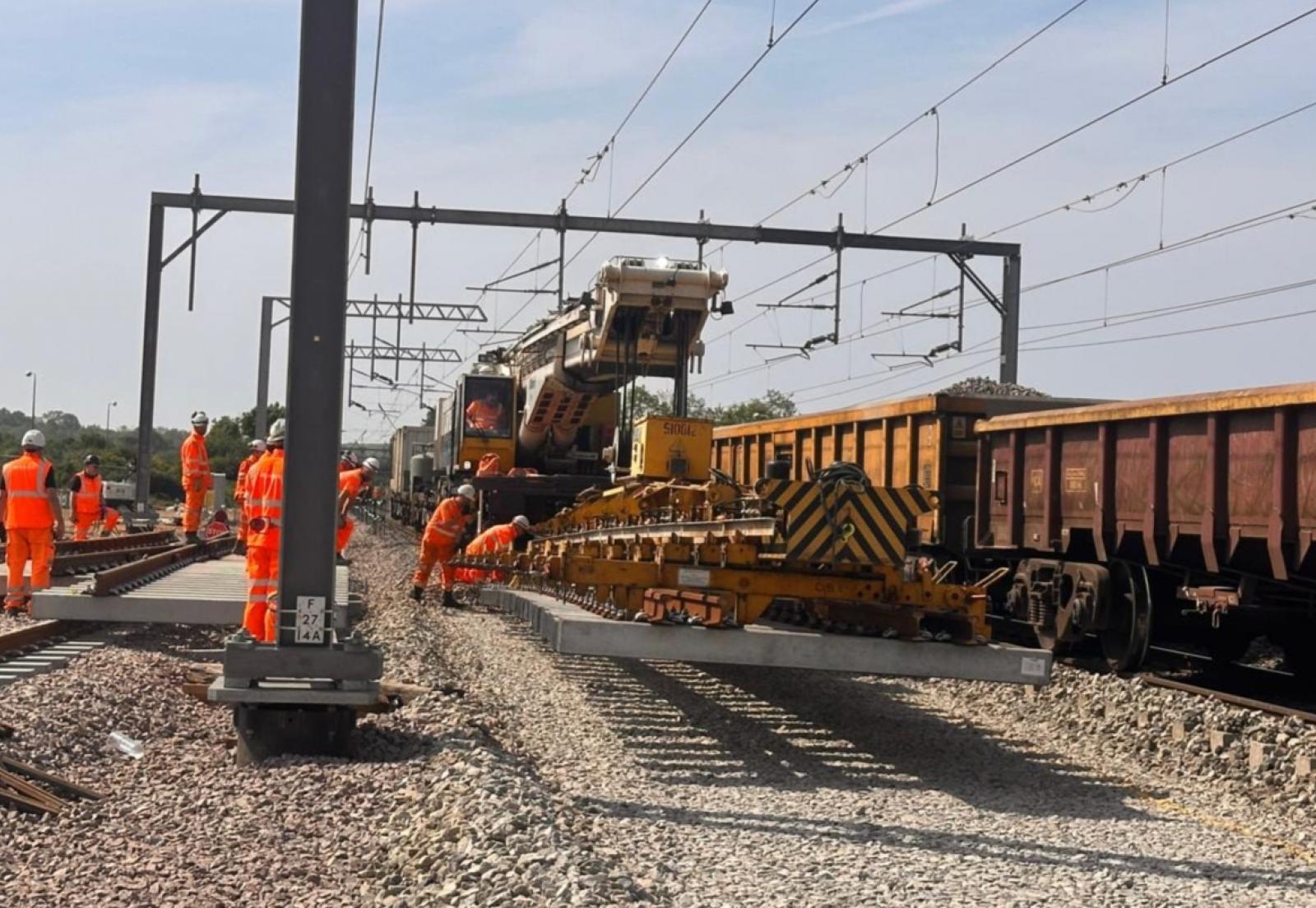
Network Rail has confirmed that engineering work will take place on 20–21 June and 27–28 June along the southern section of the Midland Main Line. The improvements, aimed at boosting reliability and resilience, will impact both East Midlands Railway (EMR) and Thameslink services, with replacement buses and amended routes in operation.
Key Infrastructure Upgrades Underway
A wide-ranging package of works will be delivered across multiple sites, focusing on both performance and long-term resilience of the railway. These include:
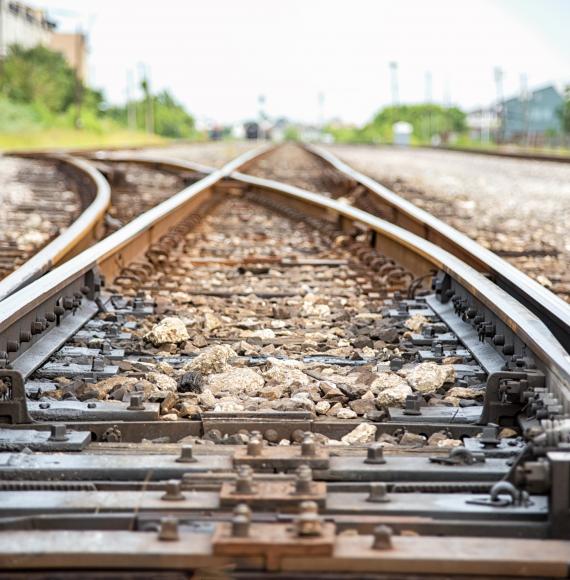
- Switches and crossings refurbishment at West Hampstead, improving reliability at a critical junction.
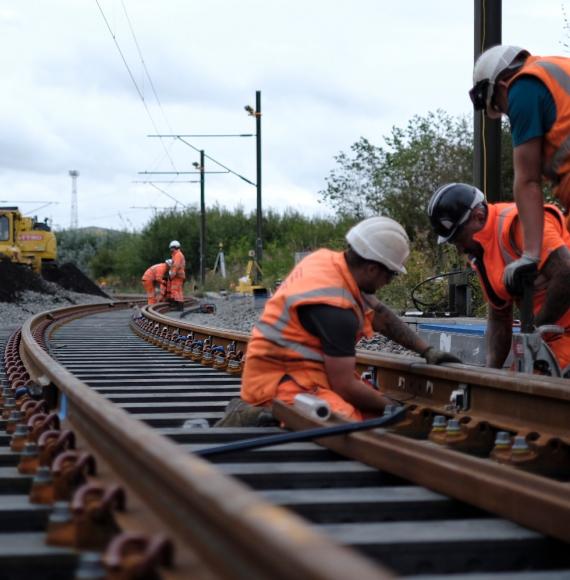
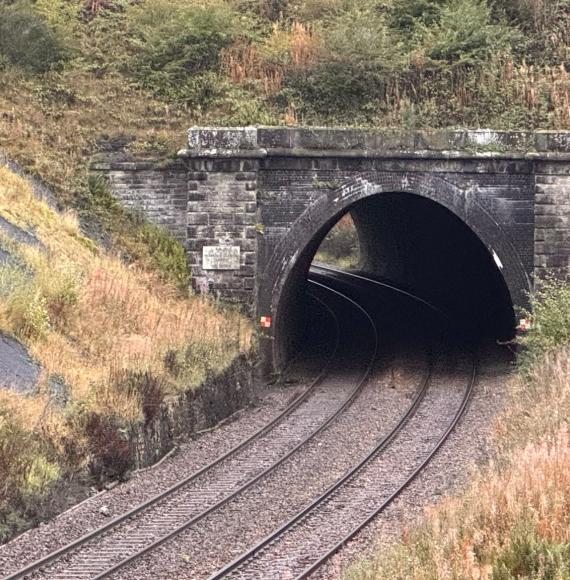
- Track renewals totalling 1km in north London, including 600 metres at Hendon and 400 metres at Belsize Tunnel.
- Installation of new switches, crossings and control systems at the Radlett Strategic Freight Interchange junction.
- Drainage renewal at Harlington (Bedfordshire), with over 1.2km of upgrades to mitigate flooding risk and improve asset longevity.
- Continued progress at Luton station under the Access for All scheme, including piling and excavation works for a new accessible footbridge and lifts.
Significant Service Changes
The scale of the engineering work means substantial disruption to passenger services:
- East Midlands Railway trains will terminate at Bedford, rather than running through to London St Pancras International.
- Thameslink services will not operate between Bedford and London during the affected weekends.
To maintain connectivity, an extensive rail replacement bus network will be in place, including routes between:
- Bedford and Luton
- Luton Airport Parkway and Hitchin (via Luton)
- Harpenden and Potters Bar (via St Albans)
- Luton and London
Additionally, alternative rail services will operate between London King’s Cross and Peterborough/Cambridge, providing onward travel options for some passengers.
Industry Response
Dan Matthews, Network Rail’s operations director, emphasised the long-term benefits of the work:
“We’re carrying out a significant programme of upgrades along the Midland Main Line over the coming weekends to make journeys more reliable and resilient for passengers and freight".
"This includes renewing track, improving drainage to reduce the risk of flooding, upgrading key track components, and continuing work to make stations more accessible.
We’re sorry to anyone whose journey will be affected and we thank passengers for their patience while we carry out our work. We’re urging anyone travelling on the affected dates to check before they travel and allow extra time for journeys.”
Operators echoed the message, stressing collaboration and passenger support during the disruption:
“We’re working closely together and with Network Rail to keep customers moving while these essential upgrades are carried out. During the work, services will be amended and rail replacement buses will be in operation to help passengers complete their journeys. We strongly encourage customers to plan ahead, check before they travel and allow extra time, as journeys will take longer than usual.”
Operational Takeaways for the Sector
For rail professionals, the coordinated delivery of multi-site engineering works highlights several key industry themes:
- Asset resilience: Increased focus on drainage and flood mitigation reflects climate adaptation priorities.
- Freight integration: Investment at Radlett underlines the growing importance of strategic freight interchanges.
- Accessibility: Continued progress at Luton demonstrates ongoing compliance with inclusive infrastructure commitments.
- Customer communication: Multi-operator coordination remains crucial in maintaining passenger confidence during disruption.
Image credit: Network Rail