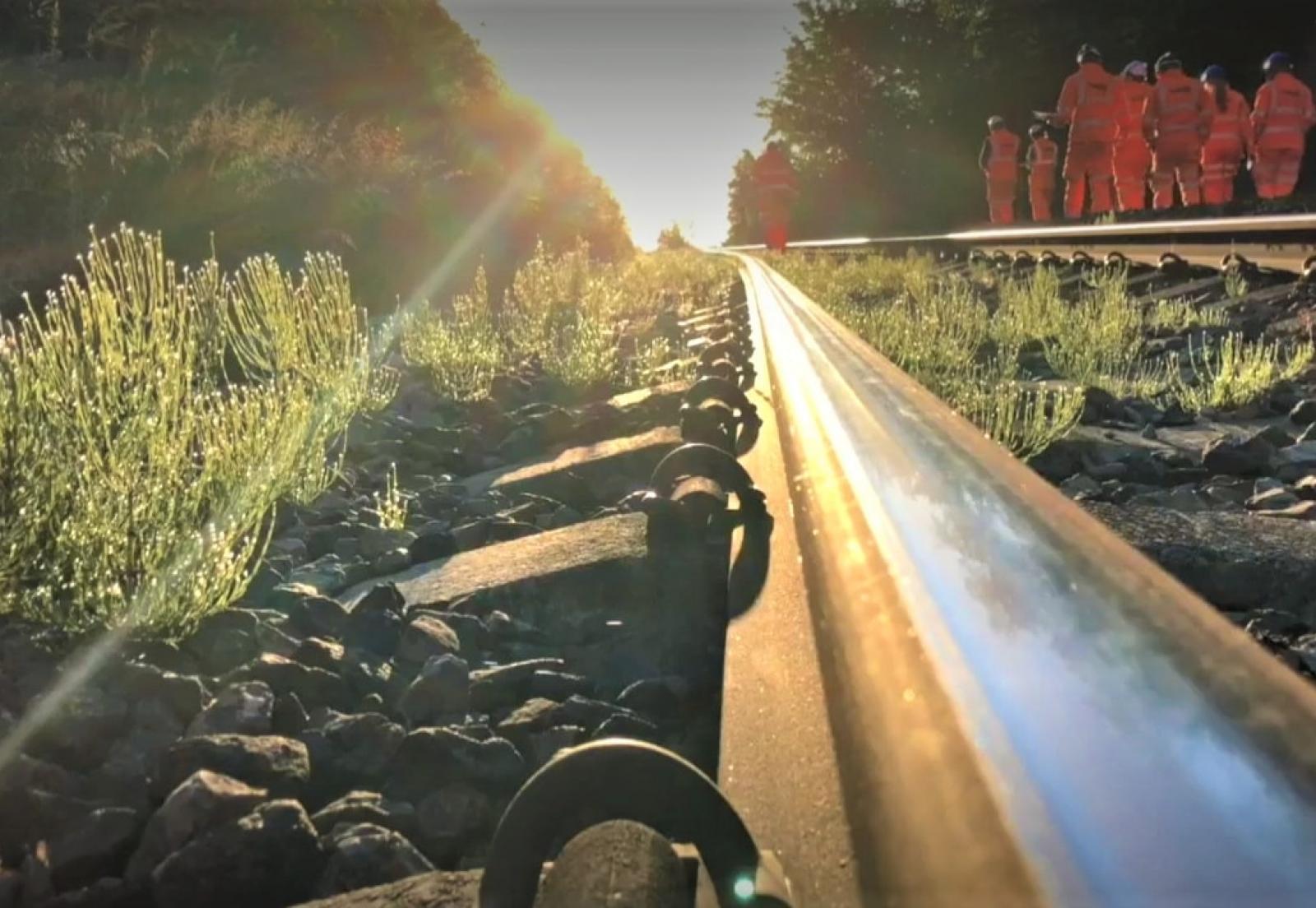

Network Rail engineers across Scotland have been stepping up preparations as a spell of hot weather begins, bringing with it a familiar set of challenges for the railway.
While summer delivers longer days and warmer temperatures, it also increases the risk of track expansion, flooding, lightning strikes and lineside fires – all of which can lead to disruption if not carefully managed.
To reduce those risks, teams have been carrying out essential maintenance and upgrades since March. This includes painting sections of rail to help lower track temperatures, rail stressing works, and enhanced inspections designed to identify potential issues before they impact services.
The work is particularly important this year, with major events such as the Commonwealth Games in Glasgow and the Edinburgh Festival Fringe expected to bring millions of additional passengers onto the network over the coming months.
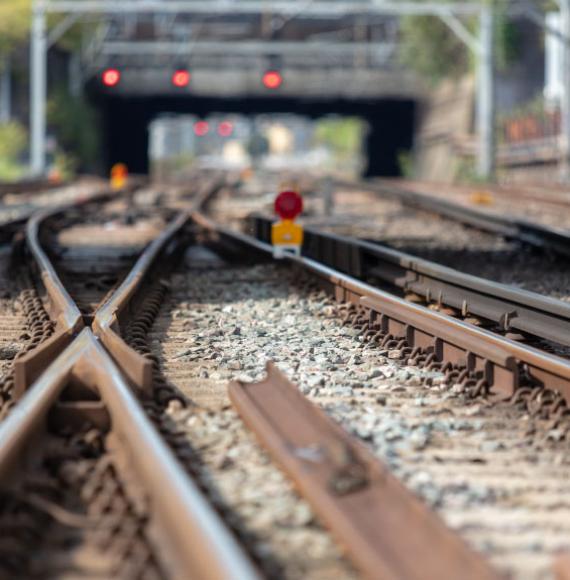
A key focus has been rail stressing – a process that sets rails to a neutral temperature so they can better cope with seasonal extremes. This helps reduce the risk of track buckles during hot weather and rail breaks in colder conditions.
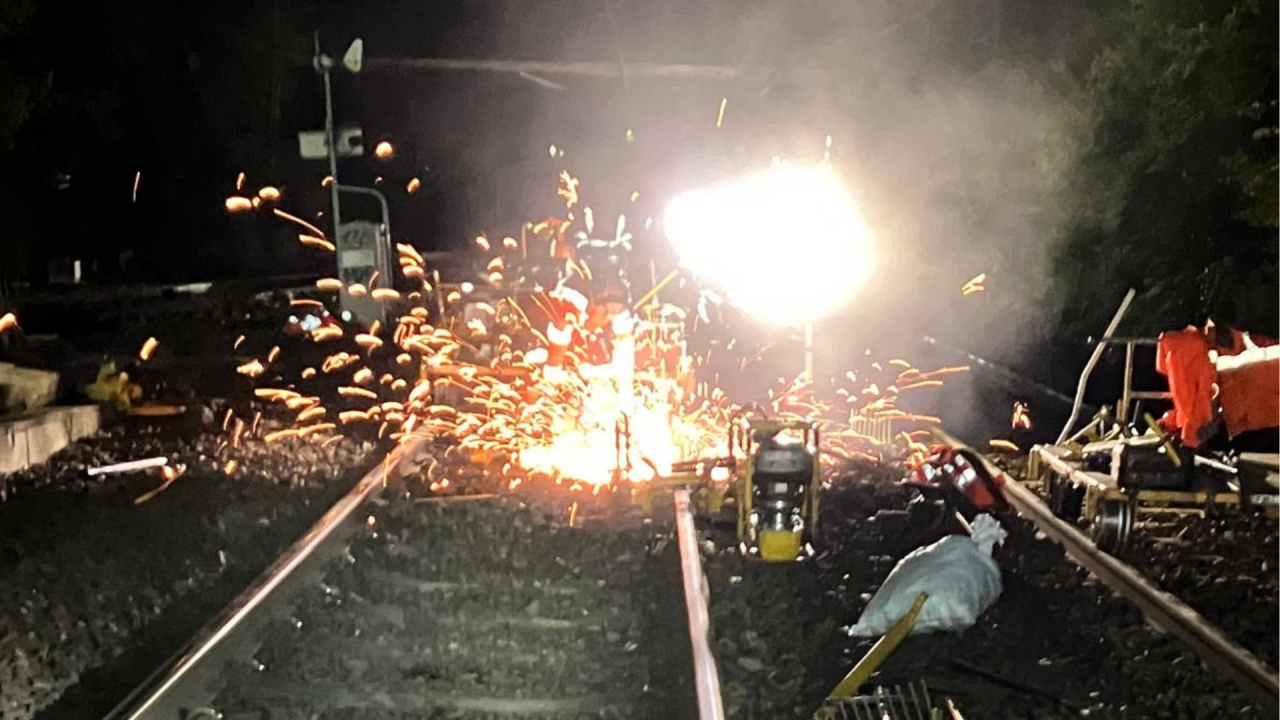
In Perthshire alone, engineers have stressed more than four miles of rail to improve resilience. Alongside this, large‑scale ballast work has been completed and more than 160,000 square metres of vegetation has been cleared, improving visibility at signals and level crossings.
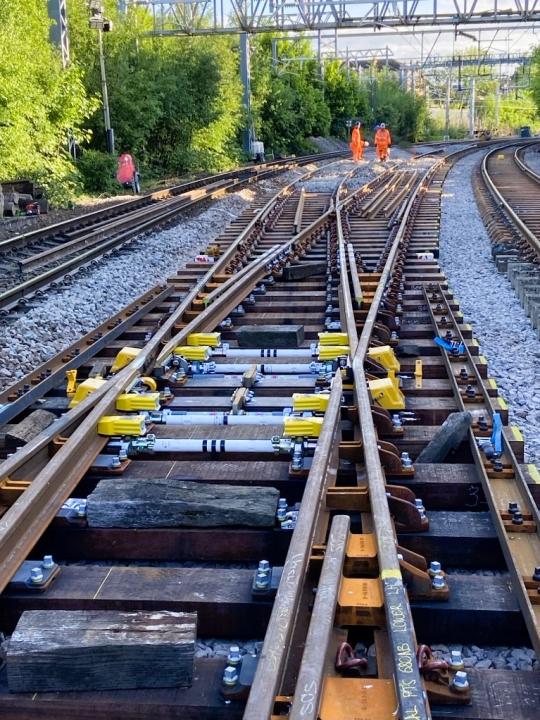
Elsewhere, a £1.1m upgrade near Glasgow Central is strengthening the network ahead of the summer peak. Points at Muirhouse Junction are being replaced with more robust equipment, reducing the likelihood of failures during periods of high heat.
Across the wider Scottish rail network, teams are delivering a broad programme of work to keep services running safely and reliably, including:
- Painting sections of rail white to reflect heat and help keep track temperatures lower
- Installing and monitoring remote sensors to track rail temperatures in real time
- Carrying out enhanced inspections of track, overhead lines and key assets
- Managing lineside vegetation to maintain clear visibility of signals and prevent disruption
- Maintaining drainage systems and carrying out flood resilience checks
- Protecting signalling and telecoms equipment from weather-related damage
- Increasing weather monitoring and working closely with forecasting partners to respond to changing conditions
Craig Milne, operations director at Network Rail, said:
“We know summer is one of the busiest times of the year for Scotland’s railway, with major events bringing more people onto the network.
“Our teams have been working hard to get everything in place ahead of the season, from targeted maintenance and inspections to using the latest technology to monitor conditions in real time.
“This is about being prepared and making sure we continue to provide a safe and reliable service, helping to keep Scotland moving throughout the summer.”
Image credits: Network Rail